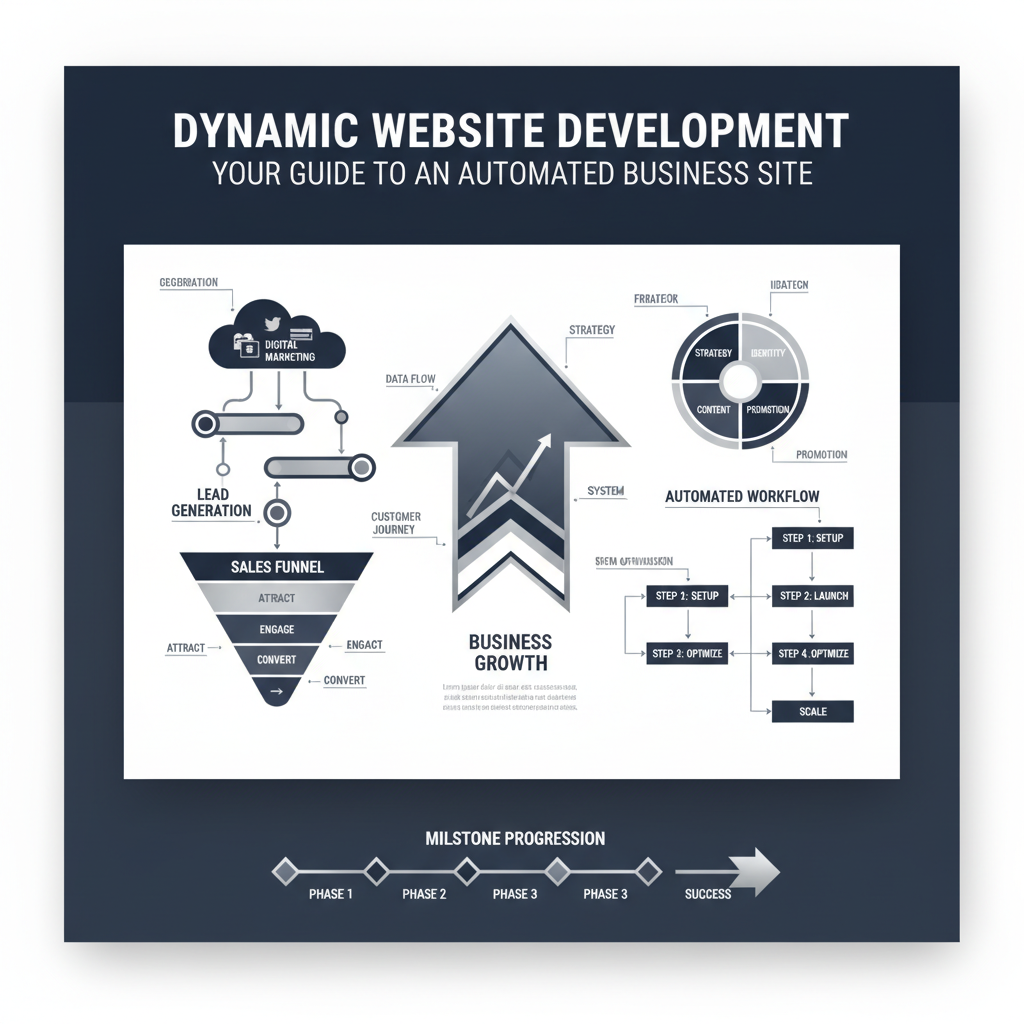
Dynamic website development is the process of building a website that displays different content to different users based on factors like their actions, user preferences, or the time of day. Unlike a static site which is the same for everyone, a dynamic site uses databases and server-side scripting to create personalized, interactive experiences, making it essential for e-commerce, user accounts, and modern online businesses.
Many small business owners struggle to grow their business online because they are overwhelmed with marketing and daily tasks. You may have a basic website, but it isn’t bringing in steady leads or automating your work. It’s hard to build a professional and trustworthy online presence that gets real results. But what if your website did more than just show information? What if it worked for you by adapting to your customers and handling important tasks automatically?
This is where dynamic website development can help. Unlike a static site that just sits there, a dynamic site is interactive. It makes automation and steady small business growth possible. It can change for each visitor, connect with your other business tools, and handle everything from sales to customer follow-ups. At Automated-Biz, we know you need more than a simple website. You need an online system that saves time, makes money, and helps you build a professional brand that can grow.
This guide will make dynamic website development easy to understand. We’ll explain the key benefits, show you real-world examples, and cover the tools you’ll need. You’ll learn how to switch from scattered, manual tasks to smooth business process automation. Your website will become more than an online brochure—it will be a powerful tool for getting new clients and growing your company. Let’s transform your online business and build a professional online presence that works as hard as you do.
What Is Dynamic Website Development (and Why Your Business Needs It)?
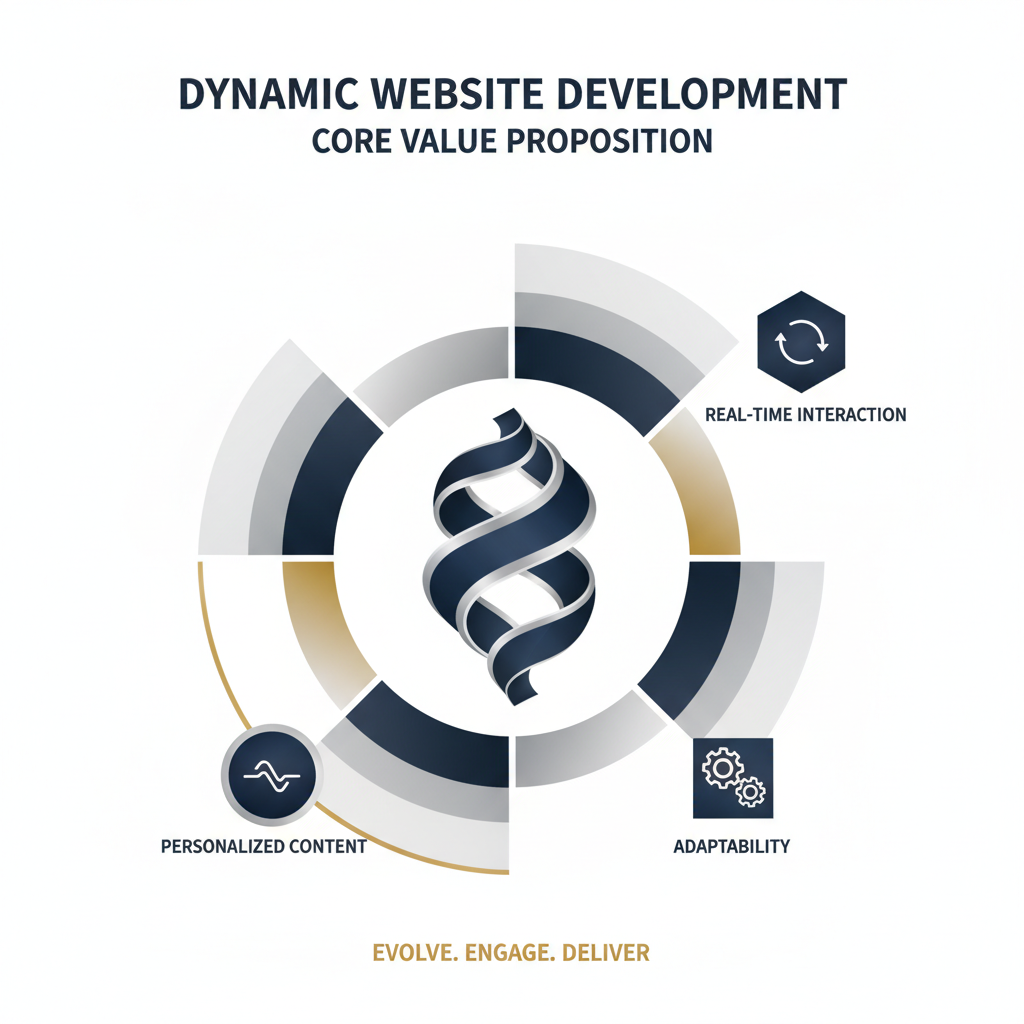
In today’s online world, your website is much more than a digital brochure. It’s a central tool for your business. As a small business owner, understanding the technology behind your site is key to long-term success and effective small business growth. That’s why dynamic website development is so important.
Unlike a simple, static page, a dynamic website changes how you connect with customers, manage content, and automate business tasks. Your site becomes an active, smart tool instead of just a passive page. This change helps you save time, earn more money, and build a strong professional online presence, all without feeling overwhelmed with marketing and operations tasks.
Understanding the Core Difference: Dynamic vs. Static Websites
Many businesses start with a static website, which works well at first. But to grow your business effectively and find the best online business solutions, you need to know the main difference between static and dynamic sites. This difference affects everything from updating content to engaging with users.
What is a Static Website?
Think of a static website as a digital billboard. It shows the same fixed content to every visitor. These sites are built with basic code like HTML and CSS. Each page is a single, pre-made file stored on a server. When someone visits a page, the server sends them that exact file.
Here are the key characteristics of static sites:
- Fixed Content: The content is the same for every user. Personalization is not possible.
- Manual Updates: To make a change, like updating a price or adding a blog post, you have to edit the code by hand.
- No Databases: Static sites don’t connect to a database, so they can’t store user info or show real-time data.
- Limited Interactivity: They typically only display information and offer basic contact forms.
- Fast Loading (for simple pages): Since pages are pre-built, simple static sites can load very quickly.
Static sites work for basic online brochures or simple portfolios, but they become limiting as your business grows.
What is a Dynamic Website?
A dynamic website is a smart, interactive site that builds pages in real-time. Instead of sending pre-made files, it uses server-side code (like PHP or Python) and a database to create a page the moment a visitor requests it. This means the content can change based on the user, the time of day, or other factors.
Consider these features of dynamic websites:
- Personalized Content: The site can show content tailored to a user’s location, preferences, or past behavior.
- Automated Updates: Tools like a Content Management System (CMS), such as WordPress, let you update content easily without touching code. This is key for
business automation. - Database Integration: Dynamic sites use databases to store and access information like user profiles, product lists, and blog posts.
- Rich Interactivity: They can include advanced features like e-commerce functionality, user accounts, search bars, and booking systems.
- Scalability: They are built to grow with your business and can handle more users and data without a complete overhaul.
For any growing business, dynamic website development is the key to creating an automated sales funnel, better lead generation strategies, and solid online reputation management. It helps you work smarter and provide a great customer experience.
Key Signs You’ve Outgrown a Static Site
As your business grows, your website needs to keep up. If you’re struggling to grow your business online, your current site might be holding you back. Here are clear signs it’s time to switch to dynamic website development:
- Updating Content is a Hassle: You waste valuable time editing code by hand for every small change to your prices, services, or blog. A dynamic site helps you
automate repetitive tasks. - Your Site Isn’t Interactive: Your website is just for reading. You can’t add features like user logins, comment sections, or live chat, so you miss chances to engage with customers.
- You Can’t Personalize the Experience: Every visitor sees the same thing. You can’t show targeted messages or special offers, which hurts your ability to connect with customers and make sales.
- Lead Generation is Manual: Your website isn’t automatically capturing leads or connecting to your email marketing tools. This means you can’t build
automated sales funnelsandneed to generate consistent leadsmore efficiently. - It’s Hard to Scale Your Business Online: Adding new products or services requires a full website rebuild instead of a simple update. This holds back your
small business growth strategies. - Your Online Reputation is Hard to Manage: You can’t easily add customer reviews, testimonials, or live social media feeds to your site, which can hurt your credibility.
- You’re Overwhelmed with Manual Tasks: You spend too much time on tasks that could be automated, like booking appointments or managing inventory. This shows a need for better
business process automation. - Your Website Doesn’t Connect to Other Tools: Your site can’t talk to your other business software, like your CRM or email marketing platform. This creates extra work and messy
social media automationworkflows. - Your Online Presence Feels Outdated: A static site can look old and may lack the features that build trust with modern customers. It’s harder to maintain a site when you
want to appear professional and trustworthy online.
If these signs sound familiar, it’s time to upgrade your website. A dynamic site helps you simplify tasks, connect better with clients, and speed up your small business growth, especially with professional branding and website creation.
What Are the Business Benefits of a Dynamic Website?
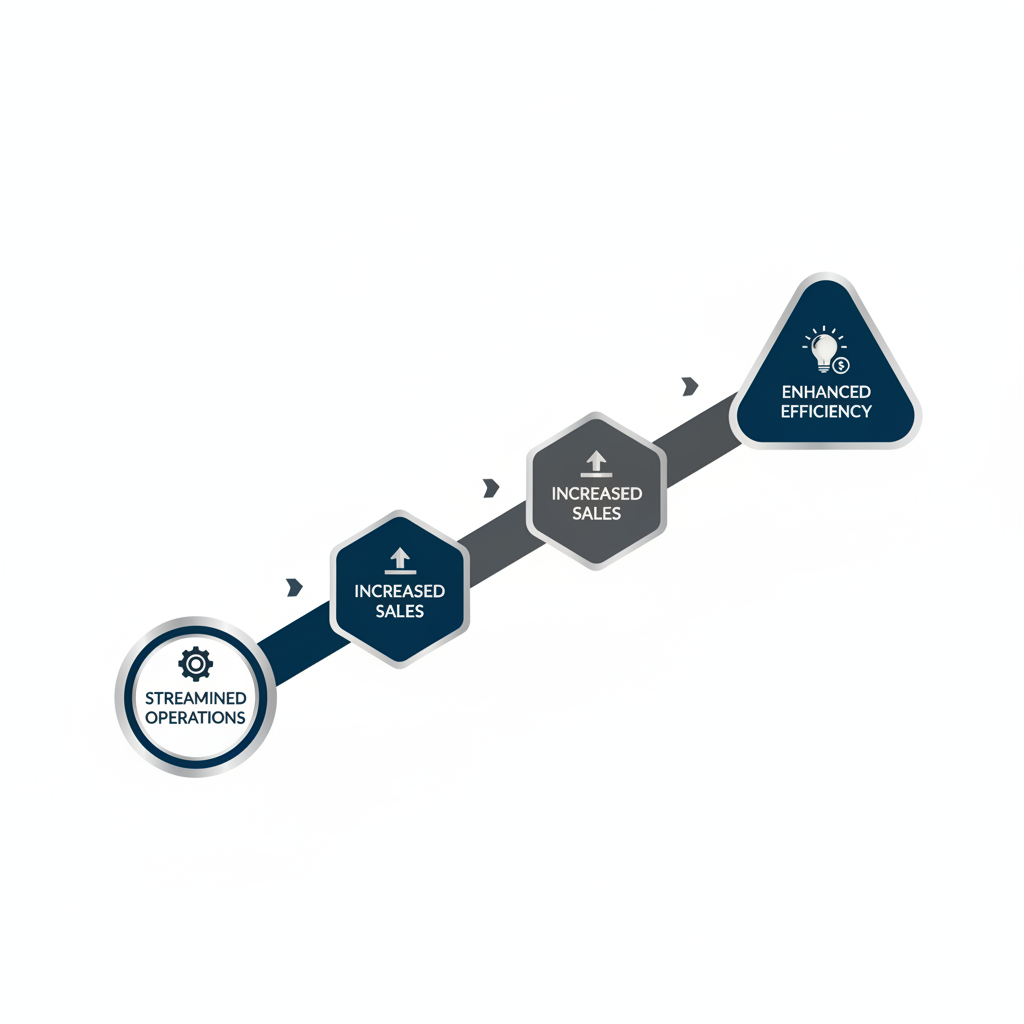
Deliver Personalized User Experiences
In today’s online world, personalization isn’t a luxury—it’s what customers expect. A dynamic website lets you create custom experiences for every visitor. This helps turn casual browsers into loyal customers.
Imagine a website that changes based on a visitor’s location, past visits, or actions. For example, a returning customer could see product recommendations just for them. A new visitor might get a special welcome offer. These personal touches make your business feel more professional and attentive.
With a dynamic site, you can:
- Show relevant content: Display products or services that match a visitor’s interests.
- Personalize offers: Give special discounts to different groups of customers.
- Remember user preferences: Save details like logins, shopping carts, and language settings.
- Boost engagement: Make every visit more meaningful and valuable.
This attention to detail builds trust and a strong online reputation. When visitors feel understood, they are more likely to become customers. This leads to higher engagement and better sales. In fact, research shows that 71% of consumers expect companies to deliver personalized interactions [source: https://www.salesforce.com/news/stories/customer-expectations-report/].
Automate Content Management and Updates
Do you find it hard to keep your website updated? Manual updates can take up too much time. A dynamic website makes this process much easier. It uses a content management system (CMS) and a database, which lets you create, edit, and publish new content without any hassle.
Imagine updating your blog or product pages in minutes instead of hours. That’s the power of automating your website. You get full control without needing to be a tech expert. You can also schedule posts, manage different authors, and track your results, all from one dashboard.
Key automation benefits include:
- One content hub: Keep all your website content in one easy-to-manage place.
- Schedule posts: Plan your content ahead of time and publish it automatically.
- Team permissions: Give different team members access to what they need.
- Easy updates: Quickly change text, images, or even whole sections of your site.
Automating content management saves you time by handling repetitive tasks. This frees you up to focus on growing your business. Automated-Biz gives you website and branding tools that fit right into your workflow.
Improve Lead Generation with Interactive Funnels
Getting a steady stream of leads is key to growing your business. A dynamic website is a powerful tool for this. It lets you build interactive and effective sales funnels. Instead of plain forms, you can use engaging quizzes, personalized calculators, and other tools to capture visitor information.
These interactive tools are a better way to get visitor information and see who is a good fit for your business. For instance, if someone shows interest in a service, your site can automatically show them a relevant case study or a booking link. This creates a smooth journey from potential lead to new customer.
A dynamic site improves your digital marketing by letting you use:
- Custom calls-to-action (CTAs): Show different offers or buttons to visitors based on what they do.
- Interactive forms and quizzes: Get more detailed information from leads.
- Easy CRM connection: Send new leads directly to your client management system.
- A/B testing: Test different forms and pages to see what works best.
Automated-Biz provides the tools to connect your website with powerful sales funnels. This helps you get new clients reliably. You’ll go from inconsistent leads to a steady stream of qualified prospects who are ready to talk.
Scale Your Online Operations with Ease
As your business grows, your website should grow with it, not hold you back. A dynamic website is built to scale. This means it can easily handle more visitor traffic, new services, and a bigger product catalog. You won’t need an expensive redesign every time your business expands.
Unlike static sites, dynamic websites are built on a flexible foundation. They use databases to manage large amounts of content and user data. This makes it simple to add new features, more content, or new marketing campaigns. Your website becomes a flexible tool that helps you grow instead of slowing you down.
With a dynamic website, you can confidently:
- Expand your content: Add unlimited blog posts, product pages, or service descriptions.
- Handle more traffic: Welcome more visitors without your site slowing down.
- Add new features: Easily add online stores, booking systems, or member areas.
- Future-proof your site: Stay up-to-date with new trends and technology.
Stop feeling overwhelmed by marketing and operations. A dynamic website is the foundation for automation that grows with your business. Automated-Biz offers expert help and integrated tools. We help you build a professional online presence that grows with you, ensuring long-term success.
What Are Some Dynamic Website Examples?
E-commerce Stores with Real-Time Inventory
Imagine managing an online store without knowing exactly how much stock you have. This is a common problem for many small businesses. Dynamic e-commerce sites solve this with real-time inventory management.
These sites update product availability the moment a sale is made. This means customers only see items that are actually in stock, which prevents overselling and disappointment. They can also show personalized product recommendations based on a customer’s browsing history and past purchases. This makes for a much better shopping experience.
For your business, this helps you take advantage of powerful global e-commerce sales growth [1]. Dynamic sites automate key tasks:
- Automated Stock Updates: Inventory levels change automatically with every sale or return. This saves hours of manual work.
- Personalized Shopping Experience: The site shows different content to each visitor, like product suggestions and special offers. This leads to more sales.
- Streamlined Order Processing: Every step, from checkout to shipping, is connected. This reduces errors and improves efficiency.
- Enhanced Lead Generation: Features like “customers also bought” or abandoned cart reminders create new chances to make a sale.
This dynamic approach turns messy manual tracking into smooth business process automation. It makes your online store look professional and trustworthy, which is essential for small business growth.
Social Media Feeds and User Profiles
Social media sites are a perfect example of dynamic websites because they are always changing. Each time you log in, your feed has new posts from friends, companies, and groups, keeping the content fresh and relevant.
For businesses, adding dynamic social media features to your website is very valuable. You can connect your site to your social media channels to show live feeds or content from your users. This keeps your site interesting and up-to-date and helps build a community around your brand.
Consider these benefits for your small business marketing services:
- Real-Time Engagement: Show your latest posts or customer reviews right on your site to encourage visitors to interact.
- User-Generated Content (UGC): Display customer stories or photos to build trust and credibility. This helps with online reputation management.
- Personalized Content Delivery: Some tools can show content based on a user’s interests, which keeps them coming back for more.
- Automated Content Refresh: Your website content stays fresh without you needing to update it by hand. This is a key part of social media automation.
By using dynamic social media, you turn a static website into an active, community-focused platform. This supports your lead generation strategies and makes your brand stronger online.
Membership Portals and Online Courses
Membership sites and online course platforms are great examples of dynamic websites. They give users access to personalized content. After logging in, members see exclusive materials based on their subscription level or how far they’ve gotten in a course.
For entrepreneurs, this is a way to create a steady income. You can offer special content, coaching, or resources to build a loyal community. These sites also automate how content is delivered and how clients are managed, freeing you up to focus on growing your business.
Key features include:
- Tiered Access Levels: Offer different content to different membership levels. This provides flexible online business solutions.
- Personalized Learning Paths: Track a student’s progress and suggest what to do next. This improves the learning experience.
- Automated Content Delivery: New lessons or modules can be released automatically, which keeps the learning experience consistent.
- Community Forums: Encourage members to talk to each other. This builds engagement and helps keep members subscribed.
These dynamic platforms can turn one-time sales into predictable income. They help you share your knowledge and grow your services. The e-learning market continues to grow rapidly [2]. This makes membership sites a smart choice for building a professional online presence and getting repeat clients.
Booking and Reservation Systems
Service-based businesses often get stuck handling appointments by hand. Dynamic booking systems are a great solution. They let clients book appointments, classes, or reservations right on your website in real-time. The system instantly checks your availability and confirms the booking.
This automation cuts down on admin work and gets rid of the frustration of playing phone tag or double-booking clients. For a busy business owner, this saves a lot of time. It also gives clients a better experience and makes your business run more smoothly.
Benefits of dynamic booking systems include:
- 24/7 Availability: Clients can book appointments whenever they want, which is more convenient and leads to more business.
- Real-Time Calendar Updates: Your calendar is always up-to-date, which prevents scheduling conflicts.
- Automated Reminders: The system automatically sends confirmation emails and reminders, which helps reduce no-shows.
- Integrated Payment Processing: You can securely collect payments when a client books, which makes getting paid easier.
Using a dynamic booking system turns messy scheduling into smooth business automation. It improves your branding and website creation by helping you look professional and trustworthy. In the end, it makes managing your clients and your schedule much easier.
What Tools and Frameworks Are Used for Dynamic Website Development?
A Business Owner’s Guide to Server-Side Languages
A great website is more than what your visitors see on the screen. Behind the scenes, server-side languages do the heavy lifting. They process information, manage user logins, handle forms, and retrieve data. In short, they make your website smart. Without them, your site would just be a static, unresponsive page.
As a business owner, you don’t need to become a coder. You just need to know why these languages are important for automating your work and growing your business online. They allow your website to:
- Personalize User Experiences: Show different content or product recommendations to visitors based on how they use your site. This encourages them to come back and buy again.
- Process Secure Transactions: Keep customer information safe during a purchase or sign-up. Handling data securely builds trust with your customers.
- Automate Workflows: Connect your website to your database, CRM, or sales funnels. This makes your business run smoother and saves you time.
- Scale Efficiently: Handle more traffic and new features as your business grows, without slowing down. This is key to long-term growth.
Common server-side languages include PHP, Python, Node.js, and Ruby. Each has its own strengths. PHP is popular because it works well with many content management systems. Python is liked for its easy-to-read code and its ability to handle data [source: https://www.statista.com/statistics/1126933/most-used-programming-languages-developers-worldwide/]. Node.js is great for fast, real-time apps. Automated-Biz makes sure your website uses the right technology, creating a strong, automated foundation for your business online.
The Role of Databases in Storing Information
Think of a database as your business’s digital filing cabinet. It stores all the important information your website needs, like customer profiles, product lists, and order histories. Without a database, your website couldn’t remember anything about your visitors or your business.
For a growing business, a well-organized database is essential. It allows your website to:
- Manage Customer Data: Securely store user accounts and preferences. This helps you connect with potential customers and provide better service.
- Handle Product Inventory: Track your stock, prices, and product details in real-time. This is vital for any e-commerce store.
- Power Content Delivery: Organize your blog posts, articles, and photos so they are easy to find and update. This helps keep your brand message consistent.
- Support Analytics: Collect data on how visitors use your site. This gives you information to improve your marketing and automate your work.
Databases turn messy online tasks into a smooth, organized system. They make sure your data is consistent across all your tools. Whether you need a standard SQL database or a more flexible NoSQL option, Automated-Biz will set up the right one for you. This helps you get new customers regularly and go from struggling online to having a system that reliably brings in new clients.
Choosing the Right Content Management System (CMS)
A Content Management System (CMS) is a tool that lets you manage your website without needing to code. It gives you an easy-to-use dashboard to create, edit, and publish content. For busy entrepreneurs, a CMS is a game-changer because you won’t need a developer for every small update.
To build a professional website, choosing the right CMS is very important. It offers many benefits for small business owners:
- Simplified Content Updates: Easily add new blog posts or update service pages. This makes it easier to plan content for your social media.
- Team Collaboration: Let different team members add and manage content. This makes teamwork smoother and more productive.
- Scalability and Flexibility: Add new features as your business grows. Many CMS platforms offer plugins that expand what your site can do.
- SEO Friendliness: Use built-in tools to help your site rank higher on search engines. This makes your business easier to find online.
Popular choices include WordPress, known for its flexibility, and Shopify, which is popular for e-commerce. The best CMS for you depends on your business goals. It affects how well you can attract new customers and keep your site looking professional.
Automated-Biz takes the guesswork out of choosing. We help you pick and set up a CMS that connects smoothly with your other business tools. We make sure your website is a powerful and easy-to-manage hub for your business. We help you go from struggling on your own to having an expert-guided automation system. This turns your website into a real asset that reliably brings in new clients.
How to Integrate a Dynamic Website with Your Business Automation Strategy

Connecting Your Site to Automated Sales Funnels
A dynamic website is essential for modern lead generation. It works as the central hub for your sales funnels, turning casual visitors into loyal customers. Automated-Biz gives you the tools to build these powerful systems.
When you connect your site to a sales funnel, you work more efficiently. Your website becomes more than a simple brochure. It guides visitors on a clear path from the moment they land on your site. This process begins the moment they arrive.
Here’s how to effectively connect your dynamic website:
- Capture Leads Seamlessly: Use dynamic forms and lead magnets that can change based on user behavior. Automated-Biz provides easy-to-customize templates for this.
- Personalize User Journeys: Show visitors content that’s relevant to them. When someone views a specific page, your site can react. For example, a user viewing a service page might get a series of emails about that service.
- Automate Follow-Ups: Connect your website forms to your email marketing. This way, new leads get helpful information right away. This simple step makes sure no lead gets forgotten.
- Track and Optimize Performance: A dynamic site lets you track results. You can see how people interact with your funnels and use that data to improve your strategies. Businesses that automate lead nurturing see a 451% increase in qualified leads [3].
This smart connection saves you valuable time. It also helps you nurture leads consistently. You’ll go from getting leads randomly to finding new clients predictably, helping your small business grow.
Streamlining Operations from Your Website Dashboard
Managing a growing business can be overwhelming. Switching between different tools wastes precious time. A dynamic website from Automated-Biz brings your operations together in one place. Your website dashboard becomes the command center for your business.
This setup is key to automating your work. It puts all your important tasks in one place, giving you more control and efficiency. You can turn scattered tasks into a smooth, streamlined process.
Consider these operational advantages:
- All-in-One Customer Management (CRM): Manage all your client interactions from your dashboard. Easily track leads, sales, and support requests. All your client information is in one accessible place.
- Simple Content Management: Easily update your blog, products, or services. Our system lets you make quick edits and schedule posts in advance. This keeps your site fresh and relevant for your visitors.
- E-commerce Management: If you have an online store, manage your inventory, orders, and customer data from one place. Automated-Biz includes shopping cart features to make your entire sales process smoother.
- Booking and Scheduling: Let clients book appointments directly on your site. You can connect your calendars and payment systems to cut down on admin work and be more productive.
- Analytics and Reporting: Get useful data about how your website is performing. You can track traffic, sales, and what users do on your site. This information helps you make smart decisions to grow your business.
By streamlining your work, you spend less time on manual tasks. Your business can move from a messy workflow to a smooth, automated system. These time-saving processes let you focus on growing smarter, not just working harder.
Building a Professional Online Presence That Works for You
Your online presence is like your digital storefront. It needs to show potential clients that you are professional and trustworthy. A dynamic website from Automated-Biz helps you do just that. It’s an active tool for your brand, not just a simple online brochure.
A professional online presence is more than just good looks. It also needs to work well, be easy to use, and feel trustworthy. Automated-Biz helps you build a polished and reliable image for your brand.
Here’s how a dynamic site strengthens your brand:
- Consistent Branding Everywhere: Your website is the foundation of your brand. All your marketing and social media should match its design and messaging. Consistent branding can increase revenue by up to 23% [4].
- Personalized User Experiences: Engage visitors with content and offers made just for them. This makes a lasting impression and helps users feel understood. It’s a great way to build a stronger connection with your audience.
- Better Online Reputation: Add a review system directly to your site. You can automatically display positive testimonials and case studies. This builds trust and social proof, making your business look more credible online.
- Easy Social Media Integration: Show your social media feeds directly on your website. You can also automatically share new content to your social channels. This keeps your audience engaged and up-to-date everywhere.
- Works on Any Device: Make sure your site looks and works perfectly on any device, from phones to desktops. This is key for a modern professional look. Automated-Biz focuses on mobile-friendly design.
- Expert-Guided Help: Get expert help to build your website. Avoid the common mistakes that come with DIY guesswork. Automated-Biz offers hands-on support for your branding, website, and digital marketing.
This complete approach builds a strong, professional foundation for your business. It turns a simple website into a powerful asset. As a result, your business will look professional and trustworthy online, which builds client confidence and leads to more sales.
Frequently Asked Questions
What is a dynamic website?
A dynamic website is a site that changes its content for each visitor. The information shown can adapt based on user actions, the time of day, or location. Unlike static sites, which look the same for everyone, dynamic websites offer a personal touch. They do this by pulling information from a database to create pages on the fly.
This flexibility is key for modern business automation. It lets your site meet customer needs right away. It also powers features like user accounts, custom recommendations, and live updates. This helps you look professional online and makes your business run more smoothly.
Think of it as moving from a static online brochure to an interactive hub for your business. This change is essential for small business growth. Automated-Biz helps you build a strong, flexible website to power your online business solutions.
What are 10 examples of dynamic websites?
Dynamic websites are all around us, powering many of the sites we use every day. They are vital for many online business solutions and services. Here are 10 common examples:
- E-commerce Stores: These sites show product inventory in real time, process payments, and manage user shopping carts. Think of Amazon or Shopify stores.
- Social Media Platforms: Feeds are always updating with new posts, user profiles are personalized, and interactions happen instantly. Facebook and LinkedIn are prime examples.
- Online Banking Portals: Users log in to see personal account balances, check transaction histories, and manage their finances securely.
- Blogs and News Websites: New content is added regularly, user comments are displayed, and articles can be sorted by category.
- Membership Sites: These sites offer exclusive content, courses, or resources to registered users based on their subscription plan.
- Booking and Reservation Systems: Showing real-time availability for hotels, flights, or appointments is a key feature. They manage bookings and send confirmations.
- Forums and Community Websites: Users create posts, reply to discussions, and build profiles. All content is created by the community.
- Webmail Services: Platforms like Gmail or Outlook show your personal inbox, let you send messages, and manage contacts.
- Personalized Dashboards: Many business tools and analytics platforms give users a custom view of their data when they log in.
- Online Learning Platforms: These sites track a student’s progress, provide course materials, and manage assignments to create a personal learning path.
These examples show how dynamic websites keep users engaged and improve their experience. They are key for automated sales funnels and turning leads into customers. Ultimately, they help turn visitors into loyal clients.
What tools are used for dynamic website development?
Building a dynamic website requires a few key technologies that work together. At Automated-Biz, we make this process simple. We use powerful tools to make your branding and website creation go smoothly. Our goal is to provide effective online business solutions without the technical headache.
Here are the basic tools involved:
Server-Side Languages
These languages run on the server to process information. They talk to databases and create the web pages that get sent to a user’s browser. Popular options include:
- PHP: Powers a large part of the web, including WordPress.
- Python: Used with frameworks like Django or Flask for large-scale applications.
- Node.js: Allows JavaScript to run on the server, which is great for real-time apps.
- Ruby: Often used with the Ruby on Rails framework to build sites quickly.
Choosing the right language depends on the project, but their main job is always to create content on the fly.
Databases
Databases store all the changing content on your site, like user profiles, products, or blog posts. When someone requests a page, the server pulls the right data from the database to build it. The main types of databases are:
- SQL Databases: MySQL, PostgreSQL, and SQL Server organize data in structured tables.
- NoSQL Databases: MongoDB, Cassandra, and Redis offer more flexible data storage, which is often better for very large sites.
A well-managed database is key for a fast and responsive dynamic site. It helps with lead generation strategies and keeps your operations running smoothly.
Content Management Systems (CMS)
A Content Management System (CMS) makes it easy to create and manage your website’s content. It gives you a user-friendly dashboard, so you don’t need to know how to code to make updates. This is essential for things like social media automation and posting new content regularly. Some of the most popular CMS platforms are:
- WordPress: The most popular CMS, used on over 43% of all websites [5]. It’s great for blogs, e-commerce, and business sites.
- Joomla: Offers powerful tools for more complex websites and web applications.
- Drupal: Known for strong security and is often used for large, corporate-level sites.
Automated-Biz uses powerful CMS platforms to help with online reputation management and content scheduling. This is a key part of business process automation.
Front-End Technologies
These are the tools that build what your visitors see and interact with. They control the look and feel of your website. The main technologies are:
- HTML (Hypertext Markup Language): Creates the basic structure of a web page.
- CSS (Cascading Style Sheets): Controls the visual design, like colors, fonts, and layout.
- JavaScript: Makes web pages interactive, from simple animations to complex features. Frameworks like React, Angular, and Vue.js make it even more powerful.
Together, these tools make sure your dynamic website works well and looks great. With Automated-Biz, you get access to all our small business marketing services, including expert web design. We’ll make sure your online presence is both professional and easy to use.
Sources
- https://www.statista.com/statistics/1089063/global-e-commerce-sales-growth/
- https://www.statista.com/statistics/1183180/e-learning-market-size-worldwide/
- https://blog.hubspot.com/sales/nurturing-leads-stats
- https://blog.lucidpress.com/the-impact-of-brand-consistency-on-revenue/
- https://w3techs.com/technologies/details/cm-wordpress
Leave a Reply