
Project management consulting provides businesses with external expertise to plan, execute, and manage projects effectively. For entrepreneurs and small business owners, consultants streamline complex operations, implement business automation tools, and ensure key initiatives are completed on time and on budget to accelerate growth.
Growing your small business can be a challenge. You may be trying to expand online, feeling overwhelmed by marketing and daily tasks, or looking for ways to automate work without losing quality. To build a professional online presence and get a steady flow of leads, you need more than just hard work. You need the right systems to save time, work more efficiently, and get real results.
This is where expert project management consulting comes in. A consulting firm can provide the structure and guidance to improve your operations, helping with everything from business process automation to building effective sales funnels. This guide will explain what Project management companies do and show how they help businesses grow and automate efficiently. The goal is to help you find new clients consistently and achieve steady small business growth.
We’ll cover the main services these firms offer, give you tips on how to choose the right partner, and show you how to blend their skills with your current systems for long-term success. By the end, you’ll have a clear and simple plan to use project management to streamline your work and earn more money. First, let’s define what project management consulting is and why your business might need it.
What Is Project Management Consulting (and Why Do You Need It)?
Defining the Role of a project management consultancy
A project management consultancy provides your business with expert help from an outside source. They help you reach your project goals, improve how you work, and drive steady growth. Think of them as experienced guides who offer a clear plan for handling complex projects.
Unlike an employee, a consulting firm gives you an unbiased view. They find weak spots in your process and create practical solutions. Their main job is to make sure your projects finish on time, on budget, and meet your quality standards. Many also set up tools to automate business tasks. This saves time and helps your team get more done.
- They offer expert guidance for tough projects.
- They improve workflows to increase efficiency.
- They use proven methods to help projects succeed.
- They help you add new tools and technology.
- They make sure your projects support your main business goals.
Key Signs Your Business Is Ready for a Consultant
As small businesses grow, they often face the same problems. You might be struggling to expand your business online. Or maybe you feel swamped with marketing and daily tasks. These are clear signs that a consultant could help. Look for these specific signs:
- Project Overruns: Your projects are always late or over budget.
- Lack of Direction: You don’t have a clear plan for your marketing or growth.
- Inconsistent Leads: You struggle to find new customers consistently.
- Automation Hurdles: You want to automate tasks, but it seems too hard to get started.
- Growth Stagnation: Your business has stopped growing, even though you’re working hard.
- Team Overwhelm: Your team is overworked and juggling too many responsibilities.
- Professional Presence: You want a professional online image but need help with branding and website creation.
- Technology Gaps: You have trouble making new software work with your current tools.
If these problems sound familiar, a consultant can give you the clear, actionable plan you need.
How Consultants Drive Automation and Business Growth
A project management consulting firm offers more than just advice. They deliver real, measurable results. They help change your business from manual to automated, from unpredictable to reliable, and from slow to ready-for-growth. For example, businesses that use automation well often see a big jump in efficiency and get more done [1].
Here’s how consultants create real automation and small business growth:
- Streamlined Workflows: Consultants look at how you work now. They find what’s slowing you down. Then, they design optimized business process automation that turns messy manual tasks into smooth operations.
- Technology Integration: They help you pick and set up the right software. This includes connecting tools like automated sales funnels so you can find new customers smoothly.
- Scalable Digital Systems: A consultant builds strong marketing systems that grow with you. These systems help you find new clients and build relationships with them. They also improve your social media and content planning.
- Enhanced Online Presence: They guide you in building a professional brand and website. This makes your business look trustworthy online. They also help manage your online reputation.
- Data-Driven Decisions: Consultants use data to show you what’s working. This moves you from guesswork to expert-guided business automation, leading to a steady stream of new and returning clients.
- Time and Resource Savings: Automating repetitive tasks saves your team valuable time. They can then focus on more important work, which helps your business grow smarter and faster.
- Expert Guidance: They offer hands-on support and training. This teaches your team new, time-saving ways to work and sets you up for long-term success.
What Core Services Do Project Management Consulting Firms Offer?
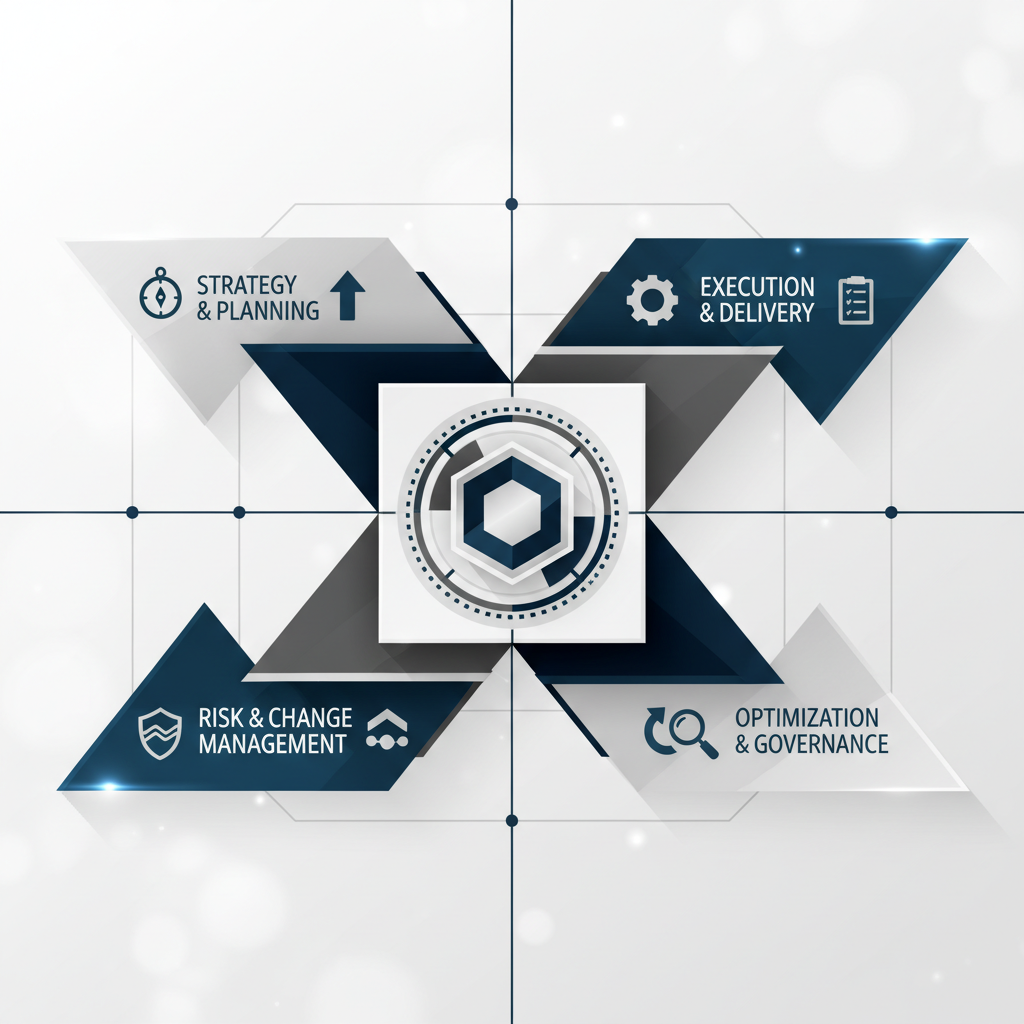
Strategic Planning and Project Initiation
Starting a new project can feel overwhelming. Many small business owners struggle with unclear goals, which can waste time and money. A project management consulting firm helps you build a solid foundation. They turn your big ideas into a clear, actionable plan.
Consultants work with you to clarify your vision. They make sure your project goals match your overall small business growth strategy. This important first step prevents costly mistakes down the road. It helps set you up for success.
Key services in this phase include:
- Vision and Goal Definition: Consultants help you define what success looks like. They turn your big ideas into specific, measurable goals.
- Scope Development: They set clear boundaries for your project. This prevents “scope creep,” where extra tasks get added without a plan. A clear scope saves time and money.
- Feasibility Studies: Before you invest time or money, consultants check if your project is workable. They spot potential problems and opportunities early on.
- Stakeholder Alignment: They make sure everyone involved is on the same page. This encourages teamwork and helps avoid conflicts later.
- Roadmap Creation: A detailed roadmap shows key steps and deadlines. This gives your team a clear path to follow.
By investing in planning, you get clarity and direction. Planning ahead greatly increases your project’s chances of success [2]. It builds a strong foundation for every step that follows.
Business Process Automation and Workflow Design
Many entrepreneurs feel swamped by marketing and daily tasks. Doing things by hand drains your time and money. Project management firms are great at finding these bottlenecks. They then design efficient, automated systems to solve these problems.
Consultants help you move from separate tasks to connected systems that work together. They use powerful business automation tools to boost productivity and get consistent results.
Key services include:
- Workflow Analysis: Consultants first look at how you currently work. They find slow spots and tasks that could be automated.
- Automated Workflow Design: They design better workflows for you. These new systems connect your different online tools so things like sales funnels can run on their own.
- Technology Implementation: They help you choose and set up the right automation software, like CRM systems, marketing platforms, and project management tools.
- System Integration: Your new systems will be connected, not separate. This lets information flow smoothly and gets rid of manual data entry.
- Lead Generation Strategies: Consultants can build automatic systems to find new leads. This brings in a steady stream of potential customers.
- Social Media Automation: They can set up tools to schedule social media posts. This frees up your team for more important work.
The change is powerful. You go from getting inconsistent results to having predictable systems. Your work becomes smoother, helping you grow smarter and faster. This saves countless hours so you can focus on growing your business.
Resource and Risk Management
Even with a great plan, projects can face challenges. Resources might be limited, or unexpected problems can pop up. Project management consultants help businesses handle these issues. They plan for the best use of your resources and how to reduce risks.
This proactive approach protects your investment. It helps keep your projects on track and on budget. Consultants act as expert advisors, spotting problems before they become crises.
Core offerings in this area include:
- Resource Planning: They figure out the people, budget, and tools you need. This makes sure you have what you need, right when you need it.
- Budget Management: Consultants create a realistic budget and track spending to prevent cost overruns. This financial control is key for a growing business.
- Risk Identification: They look ahead to spot potential roadblocks for the project, from tech failures to changes in the market.
- Risk Assessment and Mitigation: For each risk, they figure out its potential impact. Then, they create solid backup plans to keep things running smoothly.
- Scheduling and Timeline Optimization: They create realistic timelines and adjust them as needed to keep the project moving forward.
- Quality Assurance Planning: They build quality checks into the project from the start. This ensures the final results meet high standards.
This expert guidance helps you avoid common problems. It leads to more predictable project results, allowing your business to move forward with confidence.
Project Execution and Performance Tracking
Once a project is planned and resources are in place, getting the work done right is key. A project management consulting firm doesn’t just plan; they also oversee the work as it happens. They make sure your automated systems are running smoothly.
This phase is all about turning plans into reality. It focuses on tracking progress and keeping everyone accountable. Consultants provide the hands-on support needed to get real results.
Key aspects of project execution and tracking include:
- Oversight and Guidance: Consultants supervise the project from start to finish. They offer expert advice to your team along the way.
- Performance Metric Definition: They help you set up clear Key Performance Indicators (KPIs). These numbers track the project’s health and success.
- Regular Reporting: You get regular updates on the project’s status. These reports show progress, challenges, and what’s next.
- Quality Control: Consultants put checks in place to maintain high standards. They make sure all the final work meets your requirements.
- Change Management: Projects often need adjustments. Consultants handle these changes smoothly to minimize disruption.
- Post-Project Review: After the project is done, they lead a review to see what went well. This helps identify lessons for future projects and supports long-term success.
This careful approach helps ensure projects are delivered on time and within budget. It moves your business toward systems that can grow with you. You get measurable results and a clear path to growing your revenue.
How to Choose the Best Project Management Consulting Firm
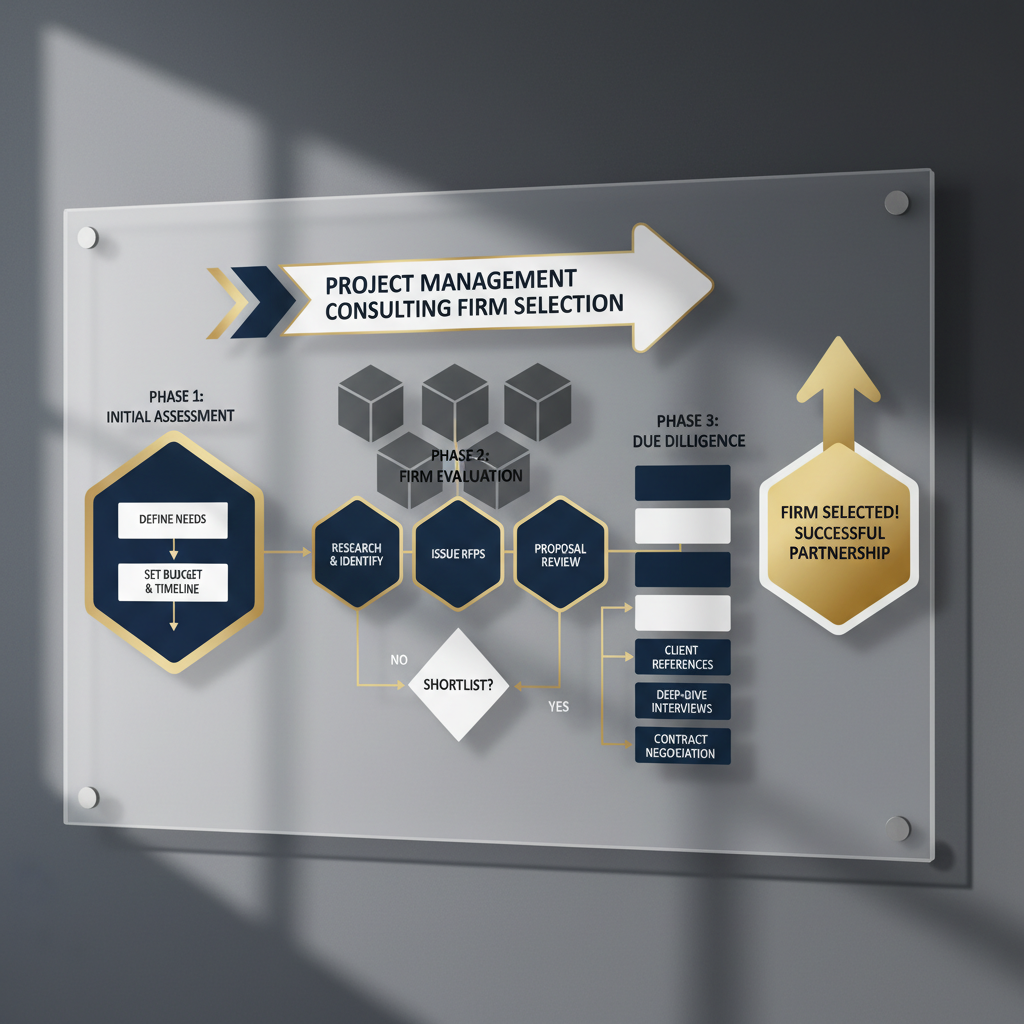
Choosing the right project management consulting firm is key to growing your small business. The right partner can improve your operations, saving you time and increasing revenue. A well-informed choice helps secure your long-term success.
Assess Their Experience with Small Businesses
Your small business has unique needs that are different from large companies. It’s important to pick a consulting firm with proven experience working with small businesses like yours.
Find a firm that understands limited budgets and the need for flexible solutions. They should know about online business tools and the challenges entrepreneurs face. Their skills should directly help you automate your business.
Consider these points:
- Relevant Portfolio: Do they show successful projects with businesses like yours?
- Understanding of Scale: Can they adjust their methods for a smaller team and budget?
- Growth-Focused Approach: Do they focus on plans that help small businesses grow?
- Automation Familiarity: Are they skilled in setting up business process automation for growing companies?
A consultant who really knows the small business world can guide you well. They can help you set up automated sales funnels and strong lead generation plans. This will save you time and get you better results.
Evaluate Their Methodology and Tools
A consulting firm’s methods and tools show if they are a good fit. Their approach should match how you work and what you want to achieve. They also need to work well with the online tools you already use or plan to use.
Ask detailed questions about their process and the specific tools they use. This makes sure their advice is practical and easy to put into action for your business.
Key areas to assess include:
- Project Management Frameworks: Do they use Agile, Lean, or a hybrid approach? How will this benefit your specific projects?
- Automation Software: Are they skilled with popular business automation tools? Can they help you automate workflows efficiently?
- Digital Marketing Systems: How do they include digital marketing in their project plans? Do they understand social media automation and lead nurturing?
- Integration Capabilities: Can they connect new systems with the technology you already use? This includes your CRM, website, and tools for branding and website creation.
- Scalability of Solutions: Will their recommended tools and methods grow with your business?
The right methods and tools can turn messy workflows into a smooth process. This helps you get new clients more consistently.
Look for a Focus on Measurable Outcomes
Hiring a consultant is an investment, so you need to see a clear return. Choose firms that focus on results you can measure. They should give you a clear plan for success.
Talk about specific Key Performance Indicators (KPIs) from the start. Understand how they will track progress. This holds them accountable and shows you their true value.
Insist on a results-driven partnership:
- Clear Goals: Do they help you define specific, measurable, achievable, relevant, and time-bound (SMART) project goals?
- ROI Focus: How will their work lead to more revenue, saved time, or better efficiency?
- Reporting Standards: What kind of reports will you receive? How often? These should clearly show progress and results.
- Post-Implementation Support: Do they offer support after the setup to make sure the changes lead to long-term growth?
A consultant focused on results helps you move from guesswork to predictable success. They turn your investment into real improvements for your online presence and your whole business.
Review Case Studies and Client Testimonials
Proof of past success is very important. Carefully review a firm’s case studies and client testimonials. These give you real-world examples of what they can do and if they are reliable.
Look for examples that match your own business challenges. Pay attention to the specific problems they solved and the results they delivered. Real testimonials show you what it’s like to work with them.
When reviewing these resources:
- Relevant Industries: Do their case studies include businesses in your industry or with a similar setup?
- Specific Results: Look beyond general statements. Do they measure the improvements, like a percentage increase in leads or shorter project timelines?
- Client Satisfaction: Are testimonials consistently positive? Do clients talk about the consultant’s professionalism, knowledge, and ability to get results?
- Problem-Solving Approach: How did the firm handle unique problems? Did they offer creative online business solutions?
- Online Reputation Management: Check the firm’s own online presence and reviews. A firm that manages its own reputation well is often good at helping its clients do the same.
This information helps you judge if the firm can deliver on its promises. It gives you confidence that they can provide expert advice and hands-on support for your business automation and growth goals.
Integrating Consulting with Your Automated Business Systems
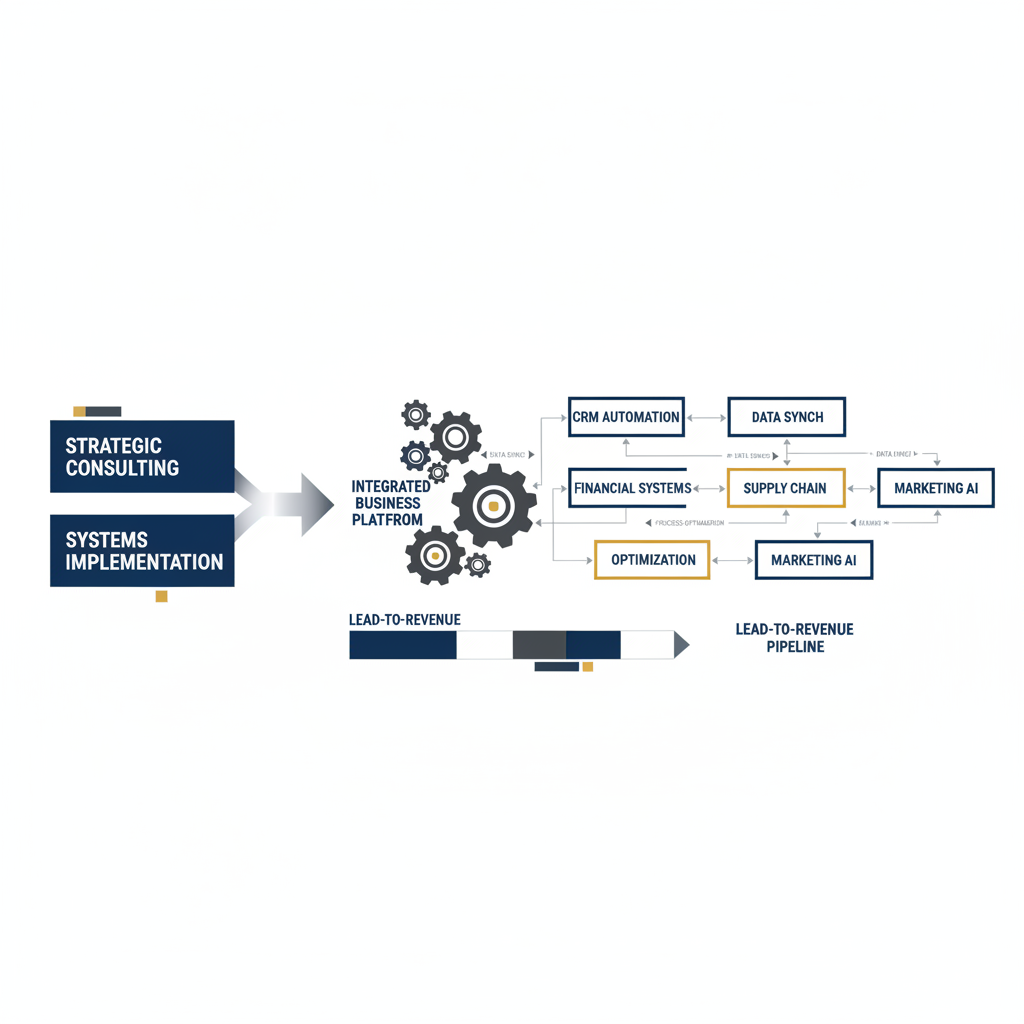
Connecting Project Management to Your Sales Funnels
To grow your business predictably, you need to connect your project management to your sales funnels. A project management consultant helps you turn customer interest into happy, onboarded clients. They do this by treating each step of your customer’s journey like a well-managed project.
Here’s how a project management consultant works with your sales process:
- Mapping the Customer Journey: Consultants map out every stage of your sales funnel, from getting leads to making a sale. This gives potential clients a clear path to follow.
- Streamlining Lead Nurturing: They set up systems to nurture leads consistently. This includes automated emails and timely follow-ups, so you don’t have to do it manually.
- Optimizing Sales Handoffs: A key step is creating a smooth handoff from your sales team to your service team. This avoids confusion and keeps clients happy.
- Tracking Performance: Using project management, you can track how well your funnels are working. You’ll find and fix any slow spots to get more conversions.
- Predictable Client Acquisition: When you treat your sales funnel like a project, getting new clients becomes more predictable. This is essential for steady growth and income.
This approach is key for small businesses that are struggling to find new leads and grow online. Your automated sales funnels will work better and more efficiently, bringing in a steady stream of new clients.
Using Consultants to Optimize Your Tech Stack
Your “tech stack” is the set of software and tools you use to run your business. For many owners, juggling different systems can be overwhelming. A project management consultant offers expert help to make these tools work better together.
Automated-Biz gives you a single platform, and a consultant helps you get the most out of it and connect it with other tools you use. Their goal is to automate your business tasks across every system.
- Comprehensive System Audit: Consultants start by reviewing your current tools. They find what’s overlapping, what’s missing, and what can be improved.
- Seamless Integrations: They help connect all your platforms, such as your CRM, email marketing, and social media tools. For example, integrating customer relationship management (CRM) systems can improve sales productivity by 15% [3].
- Workflow Automation Design: They build custom workflows to automate repetitive tasks. This frees you up to focus on growing your business instead of on data entry.
- Leveraging Automated-Biz Features: A consultant makes sure you use all of Automated-Biz’s built-in services, including website creation, sales funnels, and online reputation management.
- Cost and Efficiency Gains: A fine-tuned tech stack saves you time and makes your operations more efficient. You can automate tasks without sacrificing quality.
By streamlining your digital tools, you can turn separate systems into one powerful engine for growth. This expert support is key for any business that wants to look professional and trustworthy online.
Building Scalable Systems for Long-Term Success
Scalability means your business can handle more customers without you having to work harder or spend more. A project management consulting firm is key to building these scalable systems. They help you move from slow growth to steady, long-term expansion.
Long-term success takes more than quick fixes. It requires a smart plan for automation and growth. This is where consultants can really help.
- Future-Proof Workflow Design: Consultants create workflows that can grow with your business. They set up clear steps for finding leads, onboarding clients, and delivering your service.
- Documentation and Training: They help write down how your new automated systems work. This keeps everything consistent and makes it easy to train new team members as you grow.
- Performance Monitoring Frameworks: A consultant sets up systems to track your performance over time. This helps you keep improving and adjusting your strategy.
- Strategic Planning for Expansion: They work with you to create a plan to enter new markets, launch new products, or expand your services.
- Leveraging Automated-Biz for Growth: Automated-Biz provides a strong foundation for this growth, with tools for social media, marketing, and keeping clients happy.
Building scalable systems changes your business from one with inconsistent results to one with predictable systems. You go from guessing on your own to using expert-guided automation, making sure your hard work pays off for years to come.
Frequently Asked Questions
What is the main role of a project management consultant?
A project management consultant is an outside expert. They help small businesses and entrepreneurs handle complex projects. Their main job is to improve efficiency and drive small business growth. They find problems and put smart solutions into action.
These consultants create clear processes to help you meet your goals on time and on budget. They turn disorganized projects into successful ones. This frees you up to focus on your main business tasks.
Key responsibilities include:
- Strategic Planning: Defining a project’s goals, scope, and what it needs to deliver.
- Business Process Automation: Designing workflows that automate repetitive tasks to save time and money.
- Risk Management: Finding potential project risks and creating plans to avoid them.
- Performance Optimization: Reviewing how your business works and suggesting improvements to make it more productive.
- Technology Integration: Recommending the right tools and making sure they work together smoothly for your online business solutions.
With expert help, businesses greatly improve their project success rates [4]. They move from manual, disconnected work to smooth, automated operations.
How do I find the best project management companies?
Finding the right project management consulting firm is key for small business growth. Start by outlining your specific needs and project goals. Think about which areas need the most help, like automating workflows or generating more leads.
Look for a project management consultancy with a history of success. They should have experience with businesses like yours. Make sure their skills match your goals, whether you need automated sales funnels or help with branding and website creation.
Follow these steps to find the best fit:
- Assess Industry Experience: Choose firms that know your industry well.
- Evaluate Their Process: Look for consultants with a clear, organized approach who focus on measurable results.
- Check for Automation Expertise: Make sure they are experts in business process automation and integrated systems. This is vital for modern online business solutions.
- Review Client Testimonials and Case Studies: Past results show what they can do. Look for proof of how they saved clients time or increased their revenue.
- Focus on Communication and Support: Choose a firm that communicates clearly and offers dedicated support to build a strong partnership.
- Consider an All-in-One Service: Many small businesses benefit from integrated services. Automated-Biz, for instance, provides a complete platform for business automation and growth that works alongside expert consulting.
The best firms give practical advice you can use right away. They help you build systems that bring in steady leads and improve your online presence.
What is the difference between a consultant and a project manager?
Both roles are important for a project’s success, but a consultant and a project manager do very different things. Understanding this difference helps you use each one in the right way for small business growth.
A project management consultant usually works as an outside expert. They give high-level advice and find opportunities for improvement, such as through business process automation. They focus on the “what” and the “why” by finding problems and designing new solutions. Their job is often done once the new plan or system is in place. The global management consulting market continues to grow, highlighting the demand for this expert advice [5].
A project manager, on the other hand, is an internal role focused on daily operations. They are in charge of carrying out the project. They manage teams, schedules, and budgets, putting the consultant’s plans into action. They track progress and keep everyone updated, making sure the “how” gets done. Their focus is on execution and ensuring processes, like automated sales funnels, run smoothly.
In essence:
- Consultant: Strategic, gives advice, has an outside perspective, finds problems, and designs solutions.
- Project Manager: Hands-on, focused on getting things done, manages tasks, and handles daily work.
A consultant creates the plan for scalable business processes. A project manager then follows that plan to make sure the project succeeds.
Can a consultant help with construction project management?
Yes, absolutely. Project management consultants are very helpful in the construction industry. Construction projects are often complex, involve many people, and require careful planning to succeed.
A consultant who specializes in construction brings expert knowledge to the table. They help businesses handle the industry’s unique challenges, like managing large teams, tight deadlines, and big risks. Their goal is to make large projects more controlled and efficient.
In construction, a consultant can assist with:
- Feasibility Studies: Checking if a project is practical and likely to be profitable.
- Budget and Cost Control: Creating realistic budgets and finding ways to save money.
- Schedule Optimization: Making detailed timelines and making sure deadlines are met.
- Risk Mitigation: Finding and planning for common construction risks, like material delays or permit issues.
- Compliance and Regulations: Making sure the project follows all local building codes and environmental rules.
- Contract Management: Overseeing agreements with vendors to ensure everything is clear and work gets done right.
- Technology Implementation: Recommending the right software for tracking progress, managing resources, and communicating with the team.
By making processes more efficient and providing expert guidance, these consultants help avoid expensive delays and budget issues. Research shows that poor project management is a leading cause of project failure in construction [6]. A skilled consultant brings an organized approach. They turn chaotic projects into well-managed successes, ensuring the work is finished efficiently and professionally.
Sources
- https://www.mckinsey.com/capabilities/operations/our-insights/the-future-of-automation
- https://www.pmi.org/about/press-media/press-releases/pulse-2023-report
- https://www.nucleusresearch.com/research/single/crm-pays-back-8-71-for-every-dollar-spent/
- https://www.pmi.org/
- https://www.statista.com/statistics/1230113/management-consulting-market-value-worldwide/
- https://www.mckinsey.com/industries/capital-projects-and-infrastructure/our-insights/the-next-normal-in-construction-how-the-industry-can-build-a-better-future
Leave a Reply