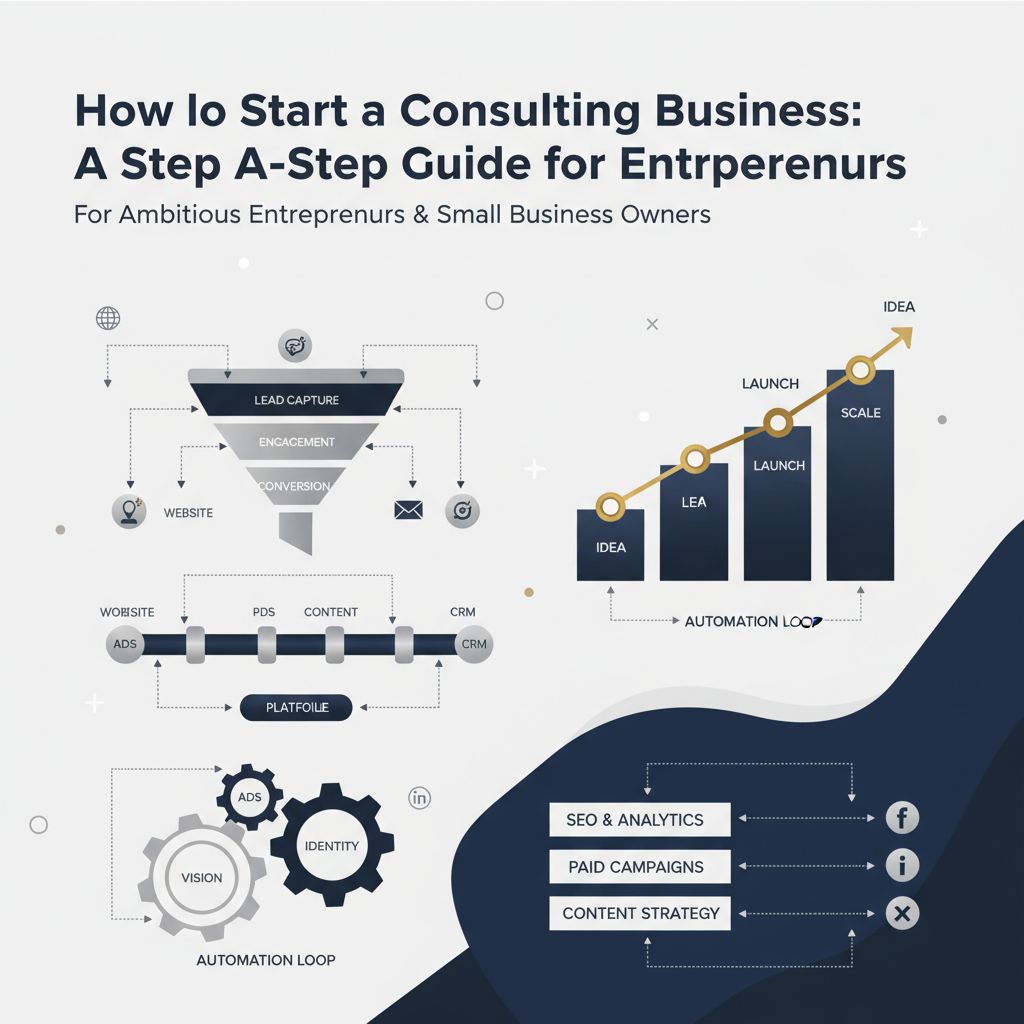
Starting a consulting business involves defining your area of expertise, identifying a target market, and establishing a legal business structure like an LLC. Key steps include creating a business plan, developing service packages, building a professional website to attract clients, and implementing automated systems to manage projects and scale efficiently.
The idea of starting a consulting business is exciting. It offers the freedom of running your own company while using your expertise to make a difference. But, turning your idea into a profitable firm can feel overwhelming. Many consultants struggle to grow online because they are swamped with marketing and operational tasks. You’re serious about building a successful company that stands out and brings in new clients consistently.
This step-by-step guide is designed for you. At Automated-Biz, we understand the challenges of setting up a consulting business and know how smart automation can help. We provide clear, practical strategies to launch and grow your business, covering everything from finding your niche and handling legal setup to building a strong brand and creating automated sales funnels. You will learn how to automate work without losing quality, use powerful online business solutions for small business growth, and make your operations more efficient. This will help your firm find clients more predictably and grow smoothly from day one. Prepare to build a professional online presence with expert help in business automation.
What Do You Need Before Starting a Consulting Business?
Defining Your Niche and Core Expertise
Starting a consulting business begins with a clear vision. Your first step is to define your niche and core expertise. This isn’t about limiting yourself; it’s about becoming the go-to expert in a specific area. A well-defined niche helps you stand out in a crowded market and lets you target your marketing efforts effectively.
Think about your unique strengths and experiences. What problems do you enjoy solving? Which industries do you know well? Answering these questions helps you build a consulting business on a solid foundation. This clarity also makes it easier to create great consulting packages.
To find your core expertise, follow these steps:
- List Your Skills: Write down your professional skills, qualifications, and past achievements.
- Identify Your Passions: What topics excite you? Where do you naturally do your best work?
- Solve Specific Problems: Think about the real-world challenges you’ve solved for clients or employers. For example, did you streamline business operations? Did you implement effective lead generation strategies?
- Evaluate Your Experience: What unique insights do you bring? Your experience could be in small business marketing services, financial strategy, or business process automation.
- Consider Your Target Client: Who would benefit the most from your knowledge?
Focusing on a niche makes you an authority, not a generalist. This allows you to charge higher fees. It also makes your branding and website creation much more effective. Automated-Biz can help you show this expertise, ensuring you look professional and trustworthy online from day one.
Assessing Market Demand and Your Ideal Client
After defining your niche, you need to confirm there is a real market demand for your services. Without demand, even the best expertise won’t create a profitable consulting firm. This means understanding your ideal client and the specific problems they need to solve. This knowledge is key to successful small business growth.
Many entrepreneurs are struggling to grow their business online because they don’t fully understand their market. Taking the time to do this research now saves you a lot of effort later. In fact, about 80% of small businesses fail within the first five years, often because there is no market need for what they sell [source: https://www.fundera.com/blog/small-business-failure-rate].
Here’s how to assess market demand and find your ideal client:
- Research Competitors: Look at other consulting companies in your niche. What do they offer? Who are their clients? How do they price their services? This will help you find gaps in the market and ways to stand out.
- Conduct Client Interviews: Talk to potential clients. Ask about their biggest challenges, what they’ve tried so far, and what they would pay for a real solution. This provides great firsthand feedback.
- Analyze Online Trends: Use tools like Google Trends or industry reports to see if people are interested in your niche. Search for keywords related to the problems you solve.
- Create Client Personas: Build detailed profiles of your ideal clients. Include their job titles, goals, and pain points. Understanding them will make your small business marketing services much more effective.
- Verify Profitability: Make sure your ideal clients can afford your expertise. Your services need to provide them with a clear return on their investment.
By checking demand and knowing your ideal client, you can create a solid plan for getting started in consulting. This understanding improves your automated sales funnels and lead nurturing efforts. Automated-Biz provides the online business solutions to capture, nurture, and convert these leads, ensuring consistent client acquisition and small business growth.
A Step-by-Step Guide to Launching Your Consulting Company
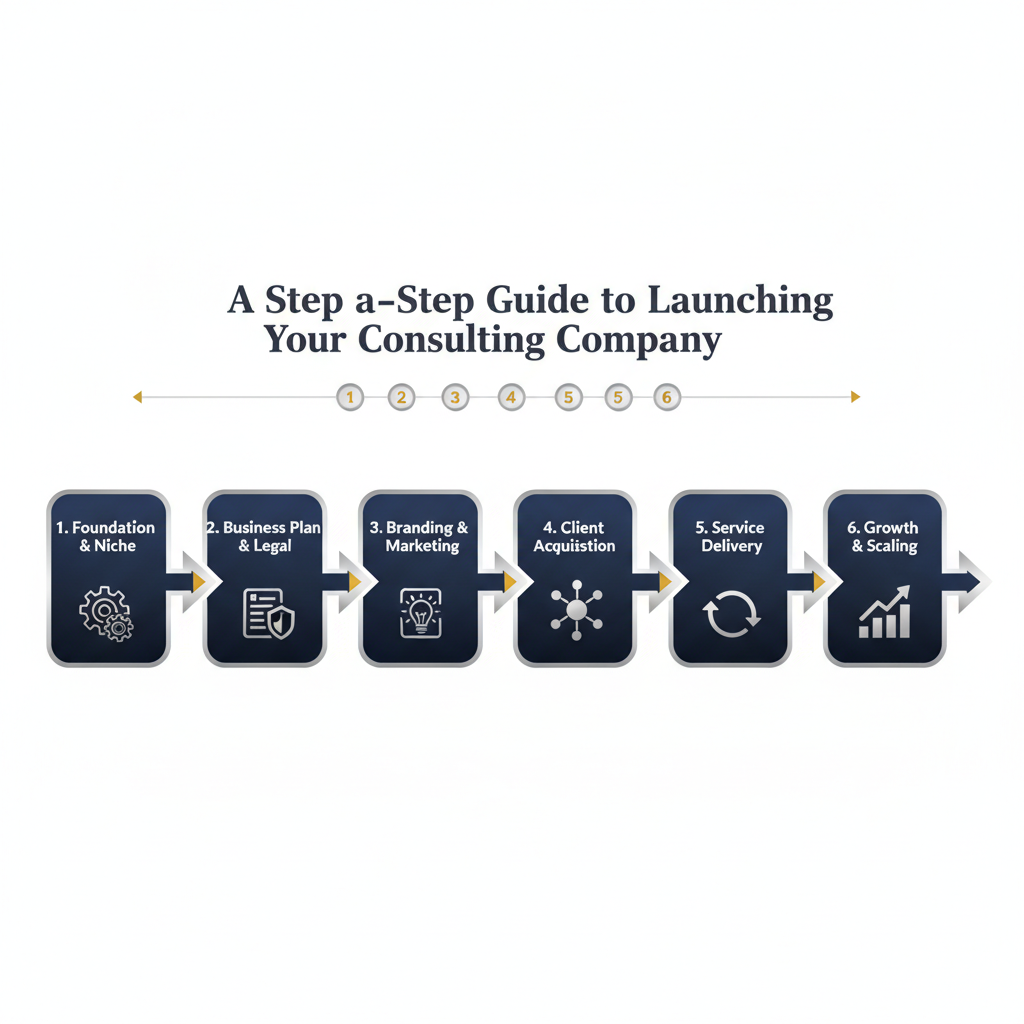
- How to Start a Consulting Business: The Ultimate Step-by-Step Guide: This detailed guide provides a comprehensive roadmap for starting your consulting business from scratch, covering every critical stage from defining your services to scaling your operations.
Step 1: Create a Comprehensive Business Plan
A successful consulting company starts with a solid foundation: your business plan. This plan is more than a document—it’s your roadmap for growth. It helps you define your purpose and set clear goals.
A good plan guides your decisions and keeps you focused on your vision. Without one, it’s easy to get lost in daily tasks and see inconsistent results.
Your business plan should include these key parts:
- Executive Summary: A short overview of your entire plan.
- Company Description: Your mission, vision, and core values.
- Market Analysis: Research your industry, ideal clients, and competitors. Find out what makes you unique.
- Services and Products: Clearly define your
consulting packagesand how they help clients. - Marketing and Sales Strategy: Explain how you will find and keep clients. Include your
lead generation strategiesand sales process. - Management Team: Describe your experience and background.
- Financial Projections: Estimate your startup costs, revenue, and profit. Include initial investments and operating expenses. Businesses with a formal plan are 16% more likely to succeed [1].
This plan is a living document. Review and update it as your small business growth strategies change over time.
Step 2: Handle the Legal and Financial Setup
Setting up the legal and financial side of your starting a consulting business is essential. It protects you, makes your business official, and builds client trust.
First, choose a business structure, like a Sole Proprietorship or a Limited Liability Company (LLC). Many consultants pick an LLC to protect their personal assets.
Next, get an Employer Identification Number (EIN) from the IRS for tax purposes. Then, open a separate business bank account to keep your personal and business finances apart. This makes accounting much easier.
Look into the business licenses and permits you need, as they vary by location and industry. Finally, get the right business insurance. Professional liability insurance is crucial for consultants because it protects you from claims of errors in your work.
Key legal and financial steps:
- Choose your business structure (e.g., LLC).
- Get an EIN.
- Open a business bank account.
- Get the required licenses and permits.
- Buy professional liability insurance.
Completing these steps early lowers your risk and sets a professional tone for your starting a consulting firm.
Step 3: Develop Your Branding and Professional Online Presence
In today’s digital world, your brand is your reputation. A professional online presence is essential to stand out and attract the right clients. It helps you build trust and credibility right away.
Your brand identity includes your logo, colors, and messaging. These elements show clients what makes you unique and help your starting your own consulting business become memorable.
Next, build your online presence, starting with a professional website. Your site is your 24/7 digital storefront. It should clearly explain your services, show off your expertise, and feature client testimonials and contact info.
Automated-Biz offers complete branding and website creation services to help you build a powerful online presence. Our platform helps consultants who want to appear professional and trustworthy online. We provide custom logo design and website development so you can focus on serving your clients, not on technical details.
What you need for a professional online presence:
- A professional logo and consistent brand identity.
- A custom, mobile-friendly website with clear service descriptions.
- High-quality content that shows your expertise.
- Client testimonials and case studies.
- Easy-to-use contact forms and calls to action.
A strong online branding and website creation strategy is key to attracting your first clients and supporting your small business marketing services.
Step 4: Create and Price Your Consulting Packages
Defining your consulting packages is key for making things clear and profitable. Clients need to understand the value you provide. Structure your services to solve specific problems for your clients. Try to avoid billing by the hour and focus on results. This changes the focus from the hours you work to the value you deliver.
Create different package levels to fit various client needs and budgets. This can help you attract more clients and create opportunities to upsell. For example, you could offer a basic, standard, and premium package.
Consider these pricing models:
- Project-Based Fees: Charge one flat fee for a specific project. This is predictable for you and the client.
- Retainer Agreements: Get a recurring monthly fee for ongoing services. This creates steady income for your
building a consulting business. - Value-Based Pricing: Base your fee on the results or return on investment you provide. This works best when you are confident in your outcomes.
Be clear about what is included in each package and the expected results. Being transparent builds trust and justifies your prices. Think of your business consulting packages as solutions to your ideal client’s biggest challenges.
When setting up a consulting business, focus on creating high-value business consulting packages. They attract serious clients and position you as a top expert.
Step 5: Build Your Marketing and Lead Generation Engine
A steady stream of new leads is essential for a successful starting a consulting company. You need a system to attract, connect with, and convert potential clients. This keeps you from running out of new business and helps you grow beyond just word-of-mouth.
Start with great content. Share your knowledge through blog posts, articles, and guides to position yourself as an expert. This builds trust and brings in people who are looking for the solutions you offer.
Use social media automation to reach more people. Platforms like LinkedIn are great for B2B consultants. Share helpful tips and talk with your audience. Automated-Biz has tools to schedule posts, freeing up your time for client work.
Set up automated sales funnels to guide people from discovering you to hiring you. A typical funnel includes:
- Awareness: Getting noticed through content and social media.
- Interest: Offering free guides or webinars for an email sign-up.
- Desire: Building interest with follow-up emails, case studies, and testimonials.
- Action: Getting them on a consultation call to close the deal.
Automated-Biz provides powerful lead generation strategies and tools to build automated sales funnels. We help you generate consistent leads without the extra work. Our small business marketing services make outreach simple, so you won’t be overwhelmed with marketing and operations tasks.
A consistent marketing engine gives you a predictable way to get new clients, which is key for long-term small business growth.
Step 6: Automate Your Operations for Scalable Growth
To grow your starting a consulting business, automation is a must. Doing things by hand slows you down, wastes time, and stops you from growing. Using business automation helps you get more done with less effort.
Automated-Biz turns manual tasks into smooth, automated systems. We help you set up workflows that automate workflows without losing quality. This makes your business more consistent and efficient.
Consider automating these key areas:
- Lead Nurturing: Send automated email sequences to new leads to keep them engaged.
- Client Onboarding: Automate welcome emails, contracts, and new-client questionnaires.
- Project Management: Use tools to automatically assign tasks and track progress to keep projects on time.
- Invoicing and Payments: Send invoices and payment reminders automatically.
- Appointment Scheduling: Let clients book calls on your calendar automatically.
- Social Media Management: Schedule your posts ahead of time.
- Online Reputation Management: Automatically ask clients for reviews.
Using business process automation saves a lot of time and lets you focus on high-value client work. A recent survey found that 86% of businesses believe automation helps them save time [2]. Automated-Biz offers online business solutions that simplify these tasks. Our platform gives you access to productivity workflows and time-saving processes, from social media automation to automated sales funnels. This helps you achieve steady growth and profits.
Stop struggling to grow your business online and start building scalable success. Automated-Biz gives you the tools to build, grow, and automate your consulting business with confidence.
How much does it cost to start a consulting business?
Essential Startup Investments (Legal, Software, Website)
To start a consulting business, you need to invest in a few key areas. These first costs help you build a professional online presence and run your business smoothly and legally.
Here are the core areas where you will likely invest:
- Legal & Administrative Setup:
- Business Registration: Registering your business as an LLC or sole proprietorship is the first step. Costs vary by state [3].
- Licenses & Permits: You might need special licenses depending on your industry and location.
- Contracts: Good client contracts will protect your business.
- Business Insurance: Liability insurance is a must-have for peace of mind.
- Branding & Website Creation:
- Custom Logo & Branding: A good logo and brand design help clients trust and remember you. Automated-Biz offers expert branding services.
- Professional Website Design: Your website is like your online office. It shows clients what you can do. This includes your domain name and web hosting. Automated-Biz provides integrated website creation and hosting.
- Content Creation: Clear descriptions of your services will attract the right clients.
- Essential Software & Business Automation Tools:
- Integrated Business Platform: An all-in-one tool like Automated-Biz can simplify your work.
- CRM (Client Relationship Management): Keep track of potential and current clients.
- Project Management: Organize your projects and client work.
- Accounting Software: Handle your invoices, expenses, and money.
- Email Marketing: Stay in touch with leads and build relationships with clients.
Investing in these areas early on sets your business up for success. Using an all-in-one platform like Automated-Biz helps you look professional online without a huge budget or the headache of managing multiple tools.
Bootstrapping: How to Start a Consulting Business with No Money
You can start a consulting business with very little money. This is called bootstrapping. It means you use the resources you already have and spend money carefully.
Here are a few ways to start on a small budget:
- Use Your Network: Reach out to former colleagues, friends, and industry contacts. They can become your first clients.
- Offer Pilot Projects: Provide your services at a lower rate at first. This helps you build a portfolio and get testimonials.
- Use Free Tools: Many software tools offer free versions for basic tasks. For example, Google Workspace has free email and document tools.
- Start as a Sole Proprietor: This is the easiest and cheapest way to set up your business legally. You can always change it later.
- DIY Your Website: Use a free website builder if you have no budget. Just remember that free sites have limits compared to professional ones.
- Focus on Free Marketing: Share your knowledge on social media. Join online groups in your field. This builds trust for free.
Bootstrapping saves money, but it takes more of your time. Still, it’s a great way to get your consulting business started. Once you start making money, invest in tools that automate your sales and daily tasks to help your business grow faster.
Creating a Realistic Budget for Your First Year
A good budget for your first year is key. It helps you avoid money surprises and decide where to invest in your business. Make sure to plan for both fixed and variable costs.
Here’s a look at common costs in your first year:
- Fixed Costs: These are costs that stay the same each month.
- Legal & Insurance: Business registration, licenses, and professional liability insurance.
- Automated-Biz Platform Subscription: An all-in-one platform gives you a steady monthly cost. It bundles services you’d otherwise pay for one by one.
- Professional Services: Set aside money for an accountant or bookkeeper. This is important for handling taxes correctly.
- Variable Costs: These costs change depending on how busy you are.
- Marketing & Advertising: Invest in ways to find new clients, like social media ads. For instance, small businesses spend an average of 1-12% of their revenue on marketing [4].
- Professional Development: Going to workshops or getting new certifications improves your skills.
- Travel & Networking: Costs for client meetings or industry events.
- Subcontractors: If you hire others for specific tasks, like writing.
- Contingency Fund: Always set aside 15-20% of your budget for surprises. This is your safety net.
Good planning helps your business grow smoothly. Using a platform like Automated-Biz from day one can change how you work. It replaces messy, manual tasks with smooth, automated ones. This saves you time, makes work less stressful, and helps you find clients consistently. It’s the key to growing your business smarter and faster.
Do I need an LLC to start consulting?
Comparing Business Structures: Sole Proprietorship vs. LLC
Choosing the right legal structure is a key first step when starting a consulting business. Your choice affects your liability, taxes, and credibility. While many new business owners start as sole proprietors, an LLC offers major benefits for anyone serious about small business growth and a professional image.
A sole proprietorship is the simplest way to set up a business. It means you and your business are legally the same—there is no separation. This makes you personally responsible for all business debts. While it’s easy to start, it offers no protection for your personal assets. This becomes a major risk as your consulting firm grows.
On the other hand, a Limited Liability Company (LLC) protects your personal assets. It creates a legal separation between you and your business. This means your home, savings, and other personal property are generally safe from business lawsuits or debts [5]. An LLC combines the liability protection of a corporation with the tax benefits of a partnership. It’s a popular choice for setting up a consulting business because it offers both protection and flexibility.
Here’s a quick comparison:
| Feature | Sole Proprietorship | Limited Liability Company (LLC) |
|---|---|---|
| Liability | Unlimited personal liability | Limited personal liability |
| Setup Complexity | Very simple; often no formal action needed | More formal; requires state registration |
| Cost | Low to no setup costs | Modest state filing fees |
| Credibility | Less formal | Higher; conveys professionalism |
| Taxation | Pass-through; profits taxed on personal return | Pass-through; potential for S-corp election |
| Flexibility | High | High |
Benefits of an LLC for a One-Person Consulting Company
For a solo consultant, an LLC offers clear benefits. It helps you build a secure and respected consulting company from the start. An LLC gives you the confidence to grow and supports long-term business automation.
- Personal Asset Protection: This is the main benefit. An LLC shields your personal assets from business debts and lawsuits. This separation gives you crucial peace of mind.
- Enhanced Professional Image: Having “LLC” after your name makes your business look more credible. It shows clients you are a serious, established business. This can be key to landing higher-value contracts. A strong legal foundation also supports professional branding and your website.
- Tax Flexibility: Typically, an LLC is a “pass-through” entity, which helps you avoid double taxation. However, you can also choose to have it taxed as an S-corporation. As your income grows, this can lead to big savings on self-employment taxes [6].
- Easier Funding and Growth: If you ever need a loan or want to add partners, an LLC structure is more appealing to banks and investors. It shows them your business is organized and secure. This makes it easier to plan for future small business growth strategies.
- Simplified Operations: An LLC has fewer rules and less paperwork than a corporation. This makes it easier to set up business process automation. You can spend more time with clients and less time on complicated legal tasks.
Forming an LLC is a smart move for your business. It sets up your consulting firm for long-term stability and growth. It helps you build a solid foundation instead of just guessing as you go.
Steps to Register Your Consulting Firm
Registering your consulting firm as an LLC is a straightforward process. The exact rules change from state to state, but the basic steps are the same. Following them helps strengthen your online branding and website creation and ensures your business runs smoothly.
Here are the key steps to setting up a consultancy as an LLC:
- Choose Your Business Name: Choose a unique name for your LLC that follows your state’s rules. Most states require the name to include “LLC” or “Limited Liability Company.” Search on your Secretary of State’s website to make sure the name isn’t already taken.
- Appoint a Registered Agent: Every LLC needs a registered agent. This is a person or service that accepts official legal and tax mail for your business. The agent must have a physical street address in the state where you form your LLC. You can hire a professional service for this.
- File Articles of Organization: This is the official document that creates your LLC. You will file it with your state’s Secretary of State office. It lists basic information like your LLC’s name, address, and registered agent. Once filed, your LLC is officially formed.
- Create an Operating Agreement: An operating agreement is a highly recommended internal document, even if your state doesn’t require it. It outlines how your business will be run, including member duties and how profits are shared. Think of it as a roadmap that can help prevent disagreements later on.
- Obtain an Employer Identification Number (EIN): An EIN is like a Social Security number for your business. You need it to open a business bank account, file taxes, or hire employees. You can get an EIN for free on the IRS website [7].
- Comply with State and Local Regulations: Look into any other licenses or permits your business needs. These requirements can change depending on your industry and location. You might need a local business license or special professional certifications.
Completing these steps builds a solid legal foundation for your small business growth. This lets you focus on developing automated sales funnels and lead generation strategies. Automated-Biz offers full support for building your professional online presence. This includes expert help with branding and website creation, making sure you present a trustworthy image from the start.
How Do You Create Your Business Consulting Packages?
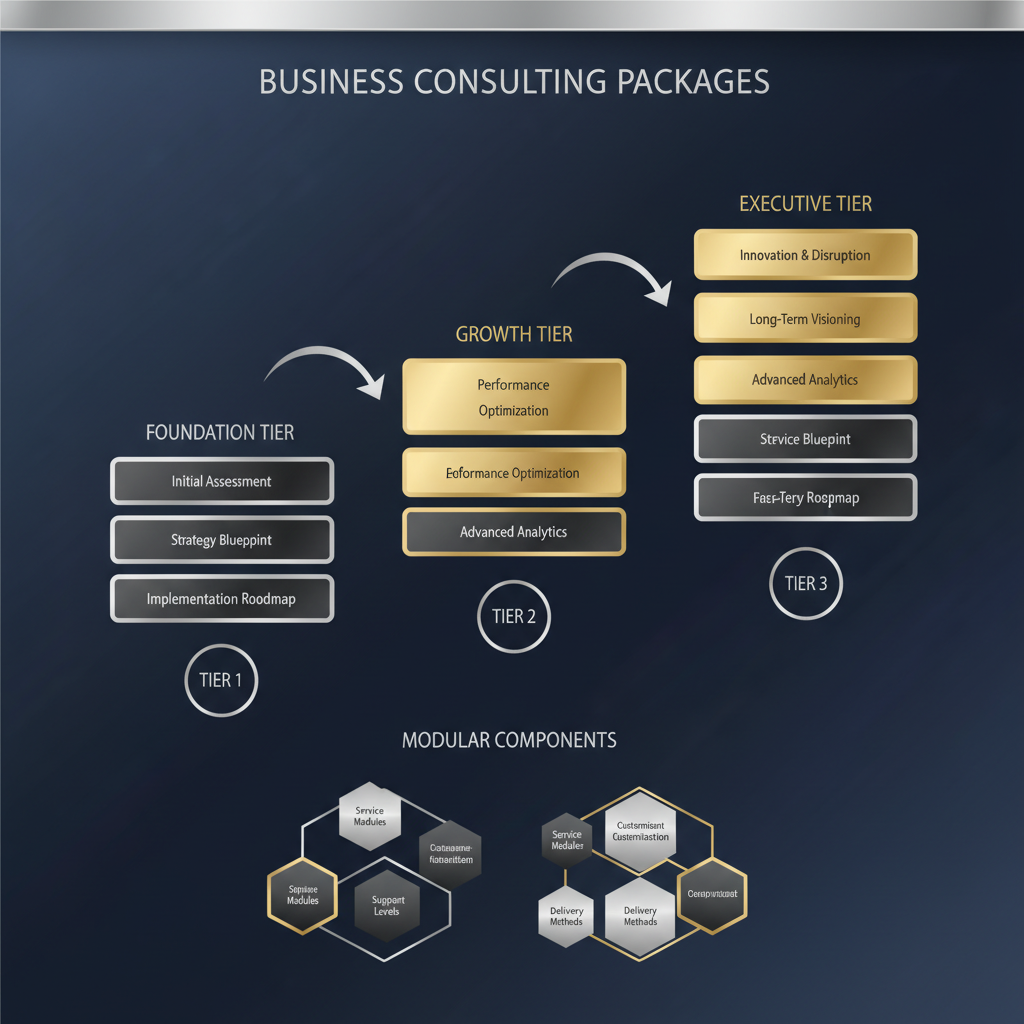
Defining Your Service Offerings and Deliverables
To launch a successful consulting business, you must first clearly define what you offer. What problems do you solve for clients? What real results can they expect to see?
Your services are the heart of your consulting packages. They should highlight your unique skills. Start by focusing on your ideal client’s main challenges. Then, create services that solve those specific problems.
Identify Your Niche and Expertise
- Pinpoint Your Specialty: What are you best at? Are you an expert in digital marketing, finance, operations, or business automation?
- Solve Specific Problems: Your services should solve common problems for clients. For example, if you offer lead generation, you solve the problem of not having enough sales leads.
- Outline Your Process: How will you get results? A clear process builds trust and shows clients you have a reliable plan for their success.
Structure Your Deliverables
Deliverables are the specific things your clients get from you. They make your work tangible and prove its value. Be sure to define these for each service you offer.
For example, a website design service might include deliverables like a custom-designed website, working contact forms, and a basic SEO setup. Automated-Biz can help by providing tools for branding and website creation that you can easily add to your services.
- Tangible Outputs: These are real items like reports, custom templates, software setup, or training sessions.
- Measurable Results: Focus on outcomes you can measure, such as more website traffic, lower costs, or higher conversion rates.
- Phased Approach: Break large projects into smaller steps. This shows clients clear progress along the way.
Well-defined services with clear deliverables are the foundation of great consulting packages. This helps clients understand the value you provide and how you can help them.
Pricing Strategies: Retainers, Project-Based, and Hourly Rates
Choosing the right pricing model is key to a profitable business and happy clients. Each strategy has its own benefits. Think about the value you provide and what your clients need.
Hourly Rates
This is a common way for new consultants to start. You charge clients for each hour you work.
- Pros: Easy to understand, ensures you get paid for all your time, and works well for projects with unclear scopes.
- Cons: Clients may feel you’re focused on time, not results. It can limit your income because there are only so many hours in a day. It also punishes you for being efficient.
- Best For: Small or undefined tasks, as-needed help, or the first stages of a project.
Project-Based Pricing
You charge a flat fee for the entire project, no matter how many hours it takes. This links your fee to the final result.
- Pros: Clients like the predictable cost. It encourages you to work efficiently and focus on results. You can earn more as you get faster.
- Cons: You need to estimate the work accurately. If you estimate too low, you’ll work for free.
- Best For: Projects with a clear scope, like a website redesign, building a sales funnel, or creating a social media strategy.
Retainer Agreements
Clients pay you a set fee every month for ongoing access to your services. This gives your business a steady income.
- Pros: Provides stable, recurring revenue. It helps you build long-term client relationships and positions you as a trusted advisor.
- Cons: You have to deliver value consistently to keep clients happy.
- Best For: Ongoing work like strategic advice, social media management, lead generation, or online reputation management.
A study by Consulting Success found that 70% of consultants prefer value-based or project-based pricing over hourly rates because it better reflects the client’s perceived value [8]. Price your services based on the results you deliver, not just the hours you work.
Structuring High-Value Packages to Attract Better Clients
Instead of selling one-off services, create high-value consulting packages. This approach helps you attract better clients and earn more from each one. Your packages should offer a complete solution to a client’s problem.
Bundle Services for Greater Impact
Combine related services into one package. Think about the full solution a client needs. For example, don’t just offer branding. Offer a package that includes branding, a new website, and an automated sales funnel to solve a much bigger problem for them.
- Solve Bigger Problems: Address several related issues in one package so clients feel less overwhelmed.
- Show How Services Work Together: Explain how combining services leads to better results. For example, a new website gets more traffic when paired with a lead generation strategy.
- Create Clear Tiers: Offer “Good,” “Better,” and “Best” options. This lets clients choose the best fit for their budget and goals.
Focus on Transformation, Not Just Tasks
Clients pay for results, not tasks. Frame your packages around the transformation you provide. Focus on benefits like saving time, making more money, or growing the business smoothly.
- Benefit-Oriented Language: Describe what life will be like for your client after working with you. Talk about time saved, sales increased, or simpler operations.
- Quantifiable Results: Whenever possible, use numbers to show expected results, like a percentage increase in leads or fewer manual tasks.
- Position Yourself as a Solution Provider: Show them you’re a problem-solver who delivers real growth, not just a service provider.
Integrate Automated-Biz Solutions
As a consultant, you can use platforms like Automated-Biz to create and manage your high-value packages. This lets you offer clients smoothly integrated services.
- Branding & Web Development Package: Use Automated-Biz’s tools to offer custom logo design, a professional website with hosting, and initial content setup.
- Automated Client Acquisition Package: Combine lead generation, automated sales funnels, and email nurturing, all managed inside Automated-Biz.
- Full-Service Digital Growth Package: Offer branding, a website, social media automation, and online reputation management, and manage their marketing from one place with Automated-Biz.
Creating high-value packages makes your business look more professional. It shows you are focused on delivering complete solutions that get results. This will help you attract serious clients who want to grow their business.
How to Get Your First Clients (Even with No Experience)
Using Your Existing Network
Finding your first clients is often easier than you think. Even without consulting experience, your network is a great resource. People you already know are more likely to trust you and consider your services. This is a highly effective way to start a consulting business with no experience.
Here’s how to tap into your connections:
- Inform Your Inner Circle: Tell your friends, family, and former colleagues about your new business. Clearly explain what you do and how you help businesses. They can become your first clients or give you valuable referrals.
- Reach Out Professionally: Connect with past employers, clients from previous jobs, and contacts in your industry. Use platforms like LinkedIn to announce your services. Personalize your messages, and focus on how you can solve common business problems.
- Offer Value First: Consider offering a free consultation or a discounted first project. This builds trust and gives you a real success story to share. Getting testimonials early is key to building credibility. [9]
- Attend Networking Events: Join industry groups or local business meetups. Online forums and virtual events are also great places to connect. Focus on building real relationships, not just on selling.
It’s important to track who you contact and when you follow up. Automated-Biz’s CRM tools can help you manage these contacts. This ensures no potential client gets forgotten, allowing you to track your progress.
Setting Up an Automated Sales Funnel
After you find clients through your network, the next step is to create a system for getting more. An automated sales funnel is key to getting new leads regularly. It turns casual interest into a steady stream of new clients, which is essential for growth.
A sales funnel guides potential clients on their journey to becoming a customer:
- Awareness: Bring people to your website. You can do this with helpful blog posts, social media posts, or targeted ads.
- Interest: Get their contact information by offering something valuable. This could be a free guide, a template, or a quick audit. These offers are often called lead magnets.
- Decision: Build relationships with these leads through automated emails. Share case studies, client testimonials, and helpful tips. Show them how your services solve their specific problems.
- Action: Turn interested leads into paying clients. This final step is often a one-on-one consultation call or a direct offer for your services.
Automated-Biz provides the tools to build these funnels easily. Our platform combines website creation with automated sales funnels. You can design landing pages, set up contact forms, and send automated email campaigns. This lets you connect with potential clients 24/7, so you can focus on your work.
Content Marketing and Social Media Strategies
To get clients from outside your network, you need to show you’re an expert. Content marketing and social media are great ways to do this. They help you show what you know and attract the right kind of clients.
Follow these steps to build your online presence:
- Identify Client Pain Points: Find out what problems your ideal clients have. Then, create content that directly solves those problems.
- Create Valuable Content: Make blog posts, articles, videos, or infographics. Focus on giving practical tips and showing your unique style. Good, regular content builds trust online.
- Optimize for Search Engines: Use keywords your target audience is searching for. This helps your content show up in search results, so potential clients can find you easily.
- Use Social Media: Share your content on the platforms where your audience is active. Social media automation tools can help you schedule posts to stay consistent. Respond to comments and questions to build a community.
- Build a Professional Online Presence: Your website is your digital storefront. Make sure it looks professional and clearly explains what you offer. Automated-Biz offers branding and website creation services to help you look trustworthy from day one.
- Monitor and Manage Your Reputation: Ask for feedback and encourage clients to leave reviews. Managing your online reputation is key to building trust. Positive reviews can make a big difference when new clients are deciding whether to hire you. [10]
Using these strategies together makes finding clients much easier. Automated-Biz offers complete small business marketing services, including social media, following up with leads, and managing your online reputation. This all-in-one approach helps you stay active online and get new leads regularly, without getting overwhelmed by marketing tasks.
How to Scale Your Business with Automation
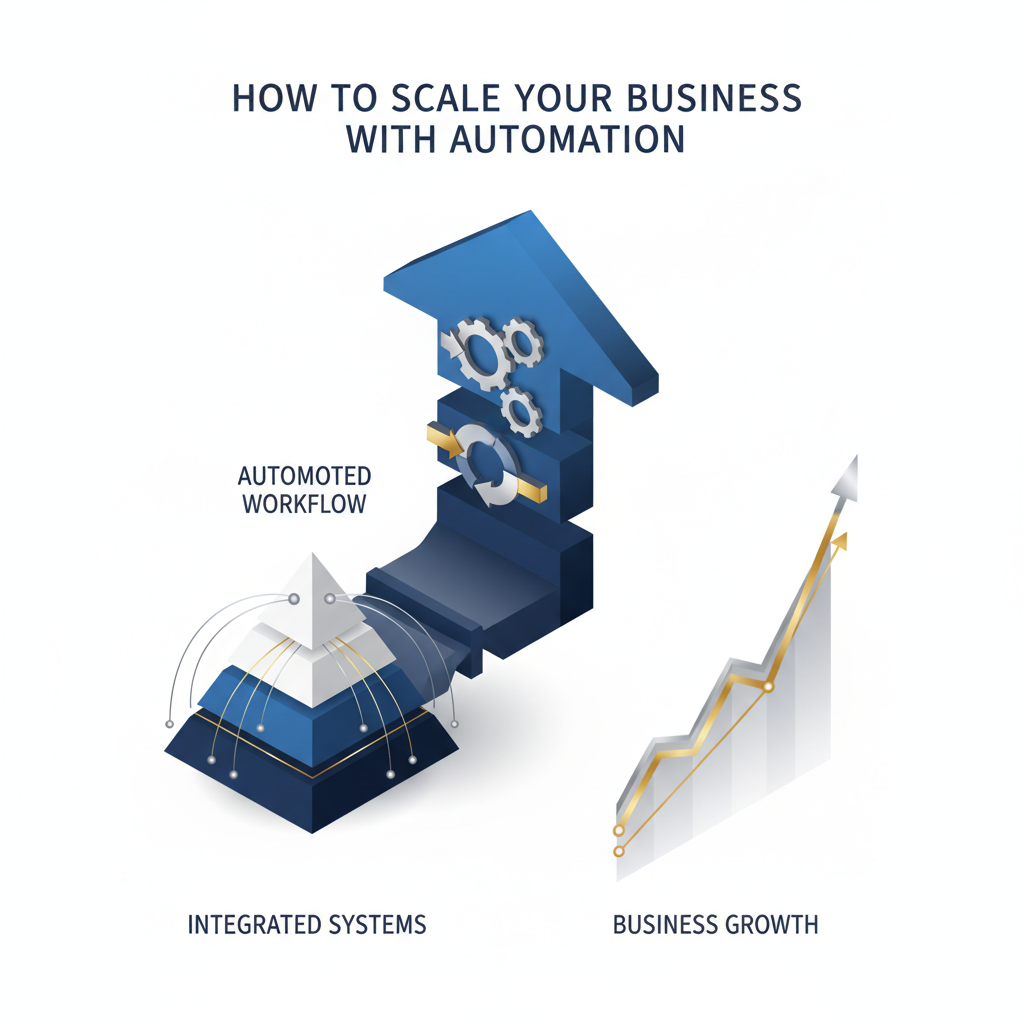
Automating Lead Nurturing and Client Onboarding
To scale your consulting business, you need smart automation. Manual tasks slow you down. Automating how you nurture leads and onboard new clients is key to growing your business. It saves you time and gives clients a professional experience from the start.
Streamlining Lead Nurturing for Consistent Growth
Turning prospects into clients requires you to stay in touch. Doing this by hand takes a lot of time. Automated lead nurturing helps you stay connected without the constant effort. This way, you can deliver value and build trust.
- Capture Leads Easily: Add contact forms or lead magnets to your website. Use specific landing pages for your offers. These tools gather prospect information for you.
- Automate Follow-Up Emails: Set up an email series for new leads. These emails send helpful content over time, teaching prospects about what you do. This keeps your business fresh in their minds.
- Group and Personalize: Sort your leads based on their interests or actions. Then, customize your automated messages for each group. Personal messages get much better results [11].
Automated sales funnels bring in a steady stream of good leads. They guide people through your sales process smoothly. This lets you focus on the most important work. Automated-Biz gives you the tools to build these powerful funnels. Our solutions help with everything from branding and website creation to advanced automated sales funnels.
Seamless Client Onboarding for a Strong Start
Your client onboarding process makes the first impression. A smooth start builds trust. A messy one can create problems right away. Automation can completely change this important step.
- Automated Welcome Emails: Send a welcome email series. Introduce your team and explain what happens next. Share helpful links and clearly set expectations.
- Digital Contract Signing: Use e-signature tools for contracts. This gets rid of paperwork and makes things faster. It’s easier for you and your clients.
- Automated Project Setup: Connect your onboarding forms to your project tools. This can automatically create client folders and first tasks, so nothing gets missed.
Automating these steps gives your clients a better experience and saves you a lot of admin time. Our platform helps you automate your work without sacrificing quality. We offer complete online business solutions to make your business run smoothly from the start.
Using Tools for Project Management and Invoicing
Good project management and on-time invoicing are key to a successful consulting business. A common reason for slow growth is messy operations. Automated tools can organize these important tasks and make them more efficient.
Efficient Project Management Workflows
As you get more clients, managing projects gets harder. Tracking things by hand can lead to mistakes and missed deadlines. That’s why good project management tools are so important. They keep all your information in one place and make it easier for teams to work together.
- All-in-One Task Management: Assign tasks, set deadlines, and see how things are going. Everyone on the project knows what they need to do. This helps keep projects on time.
- Simple Communication: Use the messaging feature in your project tool. This keeps all client conversations in one spot, so important details don’t get lost in your inbox.
- Client Portals: Give clients their own online area to check on progress and leave feedback. This makes the process clear and keeps clients happy. It also cuts down on email chains.
Using these tools makes difficult projects easier. Your team will get more done and finish work on time. This is a big part of business process automation. It turns stressful jobs into simple productivity workflows.
Automating Invoicing and Financial Management
Getting paid on time is vital for your business. Invoicing by hand can cause delays and mistakes. Automated invoicing tools make sure you look professional and get the details right.
- Create Invoices Automatically: Easily make professional invoices. Set up recurring invoices for clients on a retainer. This saves you admin time every month.
- Easy Online Payments: Let clients pay you directly online. Offer different payment options to make it convenient. This helps you get paid faster.
- Automated Payment Reminders: Set up automatic reminders for late invoices. This means you don’t have to chase payments yourself. It helps keep your cash flow healthy.
- Track Expenses and Reports: Keep track of business costs in the same system. Create financial reports with just a few clicks. This makes accounting and taxes much simpler.
When you automate these money tasks, you cut down on paperwork. This helps create a steady, predictable income. Automated-Biz offers time-saving processes that help consultants manage their finances well. You can focus on your clients, not on admin.
Transitioning from Solopreneur to Agency Consultant
Many successful solo consultants eventually hit a limit. They get buried in marketing and daily tasks. This is a sign it’s time to grow from a one-person show into an agency consultant. Growing in a smart way lets you handle more clients and larger projects. This leads to real small business growth.
Recognizing the Need to Scale
How do you know it’s time to grow? Look for these clear signs:
- You’re turning away new clients regularly.
- You have too much work and are close to burning out.
- Admin tasks are taking up most of your day.
- You want to offer more types of services.
If you see these signs, your current setup is holding you back. It’s time to use business process automation and start building a team.
Leveraging Automation to Expand Capacity
Before you hire anyone, use automation to get more done with what you have. This builds a strong base for your future team and keeps things running smoothly as you grow.
- Standardize Your Services: Create clear service packages and workflows. This will make it much easier to hand off tasks to others.
- Automate Repetitive Tasks: Use tools for things like scheduling social media, answering common emails, and entering data. This can save you many hours. For example, our social media automation tools can plan your content and manage engagement for you.
- Use a Central System: Use one platform for your CRM, projects, and messages. This way, everyone can find the information they need.
By automating your main tasks, you can take on more clients before you need to hire. This is a smart way to manage your growth.
Strategic Team Building and Delegation
Once automation is handling the basic work, you can start adding team members. Focus on hiring for roles that help you do more and bring in new skills.
- Find Key Support: Start with a virtual assistant for admin work. You could also hire freelancers for specific jobs, like a writer or a designer.
- Create How-To Guides (SOPs): Write down clear steps for every task you do regularly. This makes it easy to train new people and makes sure the work is always done the same way.
- Trust Your Team: Give your team the tools and access they need to do their job. Give them clear tasks and trust them to get it done.
This step-by-step method helps you grow smarter and faster. You can build a team that believes in your goals while keeping your quality high. Automated-Biz offers expert support in digital operations. We provide the complete small business marketing services and online business solutions you need to make this change. This lets you grow with less work and helps keep your online reputation management strong.
Frequently Asked Questions
Is $100 an hour good for consulting?
$100 an hour can be a good starting rate for some freelance work [12], but it’s often too low for professional consulting. Your hourly rate should match your expertise and the value you bring to clients. Many experienced consultants charge $250 to $500 per hour or more, depending on their niche and the results they get for clients. Consider these factors when setting your rates:
- Your Niche and Expertise: Highly specialized skills command higher fees. Focus on a specific area where you excel.
- Value Delivered: Charge for the results your clients get, not just your time. What problem are you solving? What clear results do you bring?
- Market Demand: Research what other consultants in your specific niche are charging.
- Overhead Costs: Factor in your business expenses, like software, marketing, and training.
- Professional Presence: A strong online presence helps you charge higher rates. Automated-Biz helps you build this credibility from day one.
Instead of charging by the hour, consider creating high-value consulting packages. Packages focus on results, simplify your services, and help your business grow. They also attract better clients and increase your profits.
How profitable is a consulting firm?
A consulting firm’s profitability can vary widely. Profit margins are often between 10-20%, while small, specialized firms can earn over 30% [13]. Several factors influence these numbers:
- Niche and Market Demand: Firms in high-demand areas are often more profitable.
- Operational Efficiency: Smooth business processes and workflows boost your profits.
- Client Acquisition Costs: Good lead generation strategies and automated funnels lower the cost of getting new clients.
- Scalability: To grow, you need systems that let you serve more clients without a big jump in costs. This is key for small business growth.
- Automated-Biz offers tools for business automation. This includes client management, automated sales funnels, and marketing. These tools cut down on manual work, lower your costs, and help you serve clients better. This frees you up to focus on important client work and increase your profits.
In the end, a consulting firm’s profit depends on its ability to provide real value, run smoothly, and grow wisely.
What are the 7 C’s of consulting?
The “7 C’s of Consulting” is a guide for working well with clients and delivering successful projects. These principles help consultants stay focused and provide great results every time. Using these principles in your daily work builds strong client relationships and leads to better results:
- Client: Always focus on understanding your client’s needs, goals, and problems.
- Clarity: Be clear about the project’s scope, goals, and what you will deliver.
- Creativity: Offer creative solutions designed for your client’s specific problems.
- Credibility: Build trust by showing your expertise, being professional, and having a good track record. Your branding and website creation are a big part of this.
- Collaboration: Work with clients as partners to solve problems together.
- Communication: Keep communication open, honest, and frequent during the project. Social media automation can help with this.
- Commitment: Show you are committed to your client’s success and to delivering real results.
Automated-Biz helps you follow these principles with a professional website, automated communication, and tools to manage clients. This helps you use the 7 C’s to build stronger client relationships and create lasting success for your consulting firm.
How can I start my own consulting business with no experience?
You can definitely start a consulting business without direct “consulting” experience. Many successful consultants started by using their existing skills in a new way. The key is to focus on your strengths, build trust, and create a strong online presence. Here’s how to get started:
- Identify Your Niche: Pinpoint what you’re truly good at. What specific problems can you solve for businesses? Even without “consulting” experience, you likely have valuable expertise from previous jobs or education. For example, if you’ve managed successful projects, you could offer project management consulting.
- Leverage Transferable Skills: Your past jobs gave you valuable skills. These can include problem-solving, planning, communication, or industry-specific knowledge. Highlight these strengths.
- Build a Professional Online Presence: This is crucial for building trust. Automated-Biz offers professional branding and website creation services. This allows you to quickly set up a professional online home for your business.
- Develop Clear Consulting Packages: Put your services into clear, value-focused consulting packages. This makes it easy for clients to understand what you offer and how much it costs.
- Network Strategically: Connect with potential clients and mentors. Go to industry events and use online professional platforms to share your expertise and build relationships.
- Focus on Outcomes: Instead of focusing on a lack of experience, focus on the results you can get for clients. Show case studies or testimonials, even from past jobs or volunteer work.
- Automate Your Operations: Use business process automation from the start. Automated-Biz helps with automated sales funnels, lead generation strategies, and building client relationships. This helps you run your consulting company smoothly, even on your own.
With a clear plan, a strong online presence, and the right tools, you can launch and grow a successful own consulting business. Automated-Biz gives you the tools to turn your skills into a profitable business, even when starting a consulting business with no experience.
Sources
- https://www.sba.gov/blog/writing-business-plan-2024-what-include
- https://www.mckinsey.com/capabilities/operations/our-insights/the-future-of-automation
- https://www.sba.gov/business-guide/start-your-business/register-your-business
- https://www.sba.gov/business-guide/plan-your-business/marketing-sales
- https://www.sba.gov/business-guide/launch-your-business/choose-business-structure
- https://www.irs.gov/businesses/small-businesses-self-employed/s-corporations
- https://www.irs.gov/businesses/small-businesses-self-employed/how-to-apply-for-an-ein
- https://consultingsuccess.com/how-much-do-consultants-charge/
- https://hbr.org/2012/03/earning-your-first-client
- https://www.brightlocal.com/research/local-consumer-review-survey/
- https://www.mckinsey.com/capabilities/growth-marketing-and-sales/our-insights/the-value-of-getting-personalization-right-or-wrong
- https://www.forbes.com/sites/forbescoachescouncil/2021/04/21/how-to-determine-your-consulting-fees/?sh=12c62c2f4277
- https://hbr.org/2012/10/how-to-make-the-most-of-your-consulting-budget