Tag: Online store

  • How to Choose the Best Ecommerce Website Design: A Guide for Growing Businesses

    How to Choose the Best Ecommerce Website Design: A Guide for Growing Businesses

    Ecommerce website design is the strategic process of creating an online store that is visually engaging, user-friendly, and optimized to convert visitors into customers. A professional design focuses on branding, seamless navigation, and a secure checkout process to build trust and drive automated sales, turning your website into a powerful tool for business growth.

    Even with a great product, many small business owners struggle to grow online. Today, your ecommerce website is more than just a brochure—it’s your digital storefront and your sales team. It’s often the first impression you make. To succeed, you need an online store that looks professional, builds trust, and turns visitors into customers.

    With so many options, picking the right ecommerce website design services can feel confusing. But a well-designed and well-built site is essential for steady small business growth. A good website helps you generate consistent leads and simplify your work. It’s more than just looks—it’s a powerful tool that makes you money and saves you time.

    This guide makes it simple to choose the best ecommerce web design company for your needs. We’ll explain what makes the best ecommerce website services stand out so you can find the right partner for your business. By using smart automation, you can turn your online store into an engine for growth and profit.

    What is Professional Ecommerce Website Design and Why is it Critical for Growth?
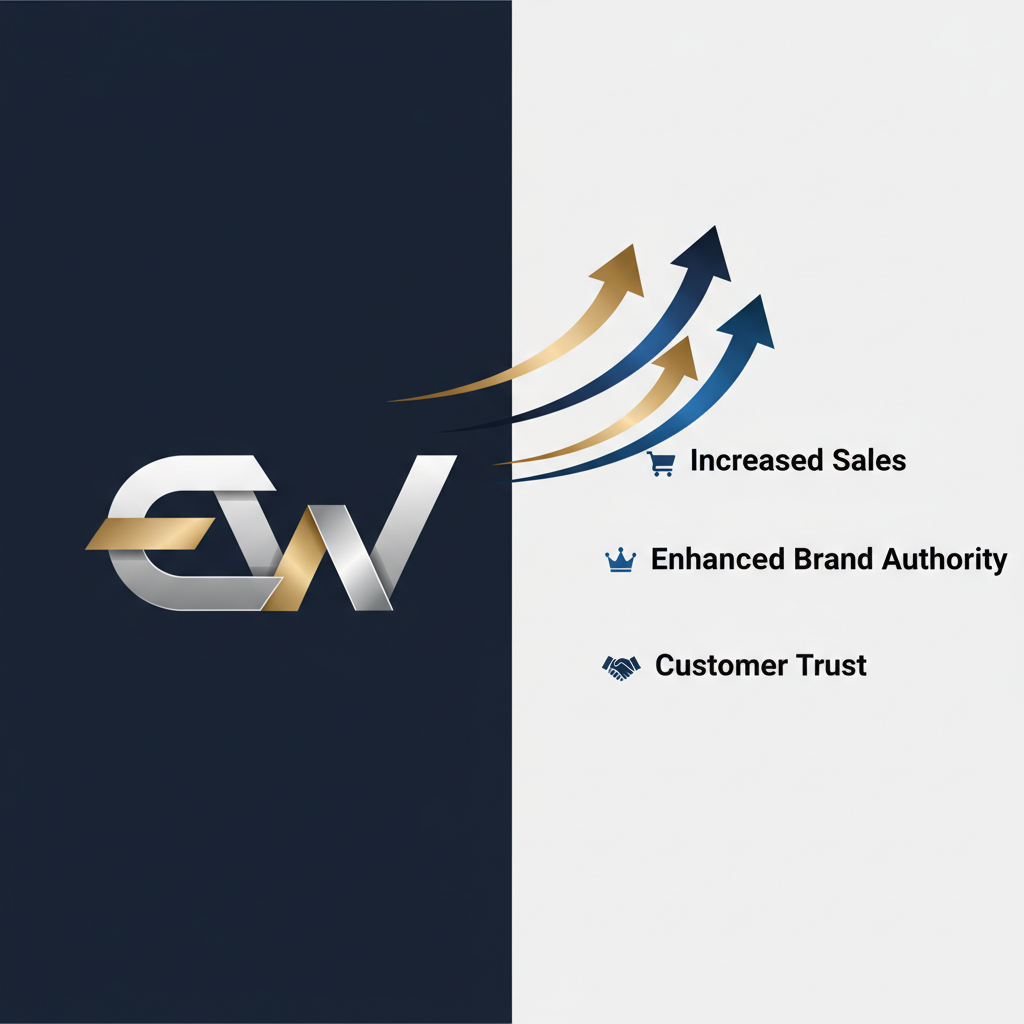
    An infographic showing a central professional ecommerce website icon with arrows pointing upwards towards 'Increased Sales', 'Enhanced Brand Authority', and 'Customer Trust', illustrating its critical role in business growth.
    An executive-level infographic. Visualize a sleek, minimalist vector design with a central, abstract representation of a professional ecommerce website. From this central element, several upward-trending growth charts and dynamic arrows extend, labeled with key outcomes like ‘Increased Sales’, ‘Enhanced Brand Authority’, and ‘Customer Trust’. The design incorporates clean geometric shapes with subtle silver and gold metallic accents against a deep navy, white, and charcoal palette. Maintain ample negative space for clarity and structured grouping to emphasize the critical connection between professional design and business growth. No humans, no cartoon elements, just analytical representation of business concepts.

    Key Elements of a High-Converting Online Store

    A professional ecommerce website design is more than just an online catalog. It’s a strategic tool. Its goal is to attract visitors and turn them into loyal customers. For this to work, several key elements must fit together perfectly. These parts create the best user experience and help your small business growth [1].

    A great online store focuses on both looks and performance. This means your site is easy to use and looks good, too.

    • Intuitive User Experience (UX): Your site must be easy to get around. Customers should find products quickly and easily. A simple layout keeps customers happy and engaged.
    • High-Quality Product Presentation: Showcase your products with great photos and clear descriptions. Good details help people decide to buy.
    • Mobile-Responsive Design: Most people now shop on their phones. So, your website must look good on any screen. This makes it easy for everyone to use.
    • Fast Loading Speeds: Slow websites frustrate people. Many will leave before the page even loads. Fast speeds are essential to keep visitors on your site.
    • Secure Payment Gateways: Trust is essential for online sales. Offer several secure ways to pay. This builds trust and means fewer people will leave without buying.
    • Clear Calls to Action (CTAs): Guide customers with clear instructions. Buttons like “Add to Cart” or “Buy Now” should stand out and be easy to understand.
    • Customer Reviews and Testimonials: Reviews from other customers build a lot of trust. Good reviews greatly influence buying decisions. They are like powerful recommendations.
    • Streamlined Checkout Process: Make the checkout process as simple as possible. A difficult checkout makes people give up. Aim for fewer clicks and simple steps.

    Using these elements helps you avoid common problems and grow your business online. They create a foundation for attracting customers steadily. They also improve your online store.

    How Design Builds Trust and Automates Sales

    Your website design is your digital storefront. It’s often the first thing a potential customer sees of your brand. A professional design builds trust right away. This trust is key to turning visitors into buyers.

    Good design also helps automate your sales. It helps you get new leads without constant work. As a result, your business can grow smarter and faster.

    • Building Trust Through Professionalism:
      • Visual Authority: A well-designed site looks professional. It shows you are reliable and care about details. This helps customers feel safe sharing their payment info.
      • Security Indicators: Show security badges and trust seals clearly. A clear privacy policy also makes visitors feel safe. It shows you are serious about protecting their data.
      • Consistent Branding: Your logo, colors, and fonts should be consistent. This makes your brand strong and memorable. It helps people recognize your business instantly.
      • Customer Testimonials: Put good reviews right on your product pages. This provides real proof from other customers. It greatly boosts a buyer’s confidence.
    • Automating Sales Through Design & Functionality:
      • Optimized Sales Funnels: Good design guides customers smoothly from start to finish. Easy navigation helps them move from browsing to buying.
      • Personalized Product Recommendations: Your site can use data to suggest products people might like. This makes shopping better and can lead to bigger sales.
      • Automated Lead Generation Strategies: Well-placed sign-up forms capture new leads. These can connect to your email marketing system, which follows up with potential customers for you.
      • Retargeting Capabilities: A good site helps track what visitors do. This lets you run effective ads to remind customers who were interested but didn’t buy.
      • Streamlined Checkout: An easy checkout process means fewer people leave without buying. This automates the final step of the sale without you needing to do anything.

    In the end, a professional website design helps you look trustworthy online. It turns your site into a powerful tool that automates tasks while keeping quality high. It helps your business run smoothly, even when you’re not there.

    The Difference Between a Website and a Business Growth Engine

    Many businesses think of their website as just an online brochure. They see it as something that just sits there. But a great online business solution is much more. It works like an active engine for business growth. This difference is key for small business growth.

    Automated-Biz provides you with this engine. We don’t just build websites. We create connected systems that increase sales and make your work easier.

    • A Basic Website Is:
      • An online page that just shows information.
      • A digital catalog of products or services.
      • Often needs you to update things by hand.
      • Doesn’t connect well with sales and marketing tools.
      • Gives you very little data on what customers do.
      • Can’t do much to find new customers or follow up with them.
    • A Professional Ecommerce Website Design & Business Growth Engine Is:
      • An Integrated System: It connects your brand and website to key business tasks, like sales and managing your online reputation.
      • A Lead Generation Machine: It is built to find new leads. It constantly finds and follows up with potential customers, turning visitors into real sales opportunities.
      • An Automated Sales & Marketing Tool: It combines sales and social media tools. It handles customer messages, follow-ups, and marketing for you, which greatly reduces your workload.
      • A Data-Driven Tool: It uses analytics to track performance. It gives you information on customer behavior and sales to help you keep improving your growth strategies.
      • Scalable & Adaptable: Built to grow with your business. It can easily handle more visitors, products, and services, and it helps automate your business tasks.
      • A Reputation Builder: It helps manage your online reviews and reputation. This builds customer trust and turns happy customers into fans who promote your brand.

    So, a professional website from Automated-Biz is about more than just looks. It is a complete solution. It helps you switch from manual, disconnected tasks to smooth, automated ones. You go from getting leads randomly to attracting new clients steadily. This is how a simple website becomes a powerful engine for business automation and growth.

    What Are Your Ecommerce Design Options?

    Choosing the right way to build your ecommerce website is a big decision. It affects your startup costs, how you manage the site, and your ability to achieve small business growth. Great online business solutions are more than just a storefront. They become a key part of your business process automation and the overall experience for your clients.

    Let’s look at the main ways to build your professional website. Each option has its own pros and cons, especially for business owners who want to grow.

    DIY Ecommerce Website Builders (e.g., Shopify, Wix)

    Many business owners start here. Platforms like Shopify or Wix have easy-to-use interfaces. They promise a quick setup for your online store. You can get a basic site up and running quickly, which seems cheaper at first.

    But these builders have major drawbacks. It’s hard to customize your site, which makes it difficult to stand out. Adding advanced business automation tools can be a challenge. Growing your business can feel clumsy. You often end up managing separate tools for marketing and sales. This can leave you overwhelmed with marketing and operations tasks. These platforms aren’t built for serious business process automation. You have to invest a lot of your own time, which takes you away from running your business. It’s tough to create truly professional and unique online branding and website creation with these builders.

    Hiring Freelance Ecommerce Web Developers

    Hiring a freelance ecommerce web developer gives you more customization. They can build a site designed for your specific needs. This is more flexible than a DIY builder, and you get more control over the design and features.

    But hiring freelancers has its own challenges. You have to be the project manager. You have to find reliable, skilled people, and it can be hard to make sure their work is high quality. Communication can be a problem. You might hire one person for design, another for coding, and someone else for SEO. This can lead to a messy, disconnected result. Without a clear plan, you might still find yourself struggling to grow your business online. Freelancers usually just build the website. They often don’t help with small business marketing services or setting up automated sales funnels. This means you still need to hire other experts, which makes things more complicated and takes up more of your time.

    Partnering with an Ecommerce Website Design Agency

    An ecommerce website design agency gives you a whole team of experts. They offer professional design, development, and sometimes marketing services. An agency offers a more complete solution than a single freelancer. They usually have set ways of working and portfolios to show you what they can do. Many small to medium businesses go this route.

    But agencies cost more. They often charge premium rates for their services [2]. They mostly focus on building the website. If you need ongoing help with automated sales funnels or lead generation strategies, it will likely be an expensive add-on. An ecommerce web design agency can build you a beautiful site. But it might not connect well with your other tools for business process automation. You may still need to hire other people for social media or to follow up with clients. This can leave gaps in your small business growth strategy. The goal is to have everything work together smoothly.

    Using an Integrated Platform for Design and Automation

    This is a more modern approach to online business solutions. An integrated platform gives you an all-in-one strategy. It combines professional ecommerce website design services with powerful business automation. This solution is for business owners who are ready to grow.

    Here’s why this is often the best choice:

    • Unified System: All your important business tools are in one place. This includes branding and website creation, automated sales funnels, lead generation strategies, and social media automation.
    • Seamless Integration: Your website is more than just a design. It connects smoothly with your marketing, sales, and online reputation management tools to make everything run better.
    • Expert-Guided Process: You get advice from experts. They guide you through design and business process automation, so you get high-quality results without the guesswork.
    • Predictable Growth: This system is designed to help you generate consistent leads. It helps you build relationships with clients and encourages repeat sales, supporting your small business growth with proven methods.
    • Time-Saving Automation: We help you automate repetitive tasks, which frees up your time. You can focus on growing your business, not on daily chores.
    • Professional Presence: We make sure your business will appear professional and trustworthy online through custom branding and high-quality design.
    • Full-Service Offering: We offer more than just design. You also get a professional logo, website hosting, social media planning, automated emails, and review management. This all works together as a powerful digital marketing system.

    This all-in-one model is designed to get you results. It changes your business from a collection of manual tasks into a smooth, automated system. You go from getting leads randomly to attracting new clients consistently. Automated-Biz gives you a complete, expert-guided path to follow. We give you the tools to build, grow, and automate your online business.

    How Do You Choose the Best Ecommerce Web Design Company?

    Step 1: Define Your Business Goals, Budget, and Technical Needs

    To choose the right ecommerce web design company, you need to be clear about your goals. Before talking to any agencies, first define your business needs. This crucial first step prevents confusion and helps you find a partner who understands your vision for growth.

    Start by outlining your business goals. What do you want your new ecommerce site to achieve?

    • Revenue Targets: Do you have a specific goal for increasing online sales?
    • Customer Acquisition: How many new customers do you hope to gain each month?
    • Lead Generation Strategies: Are you collecting contact information for future marketing, or just focused on immediate sales?
    • Brand Visibility: Do you want to build a more professional and trustworthy online presence?
    • Operational Efficiency: Are you looking to automate tasks or make customer service more efficient?

    Next, set a realistic budget for your website design. Costs can vary a lot based on the project’s complexity, features, and the company’s experience. A clear budget helps you narrow down your options to agencies you can afford.

    Finally, list your technical needs. Think about the features your site must have:

    • What ecommerce platform do you prefer (e.g., Shopify, WooCommerce, custom)?
    • Does the site need to connect with software you already use, like CRM, ERP, or accounting tools?
    • How much do you expect your business to grow? Will the website need to handle more traffic and sales in the future?
    • Are there specific security rules to follow (e.g., PCI DSS for payments)?

    Defining these details ahead of time puts you in a strong position. It helps you find a web development company that understands what you need. This clarity is key to growing your business.

    Step 2: Review Portfolios and Client Case Studies

    Once you know your goals, it’s time to look at different companies. An important step is to review their past work. Don’t just look at how the sites are designed; focus on how they work and the results they achieved.

    Examine their portfolios closely. Look for examples of custom ecommerce websites they have built. Pay attention to:

    • Design Quality: Is the design modern and easy to use?
    • User Experience (UX): Are the sites easy to navigate? Is the checkout process simple?
    • Mobile Responsiveness: Do the websites work well on all devices, especially phones and tablets? Over 79% of smartphone users have made a purchase using their mobile device in the last 6 months [3].
    • Brand Alignment: Do their designs match the personality of each brand?

    Look past the portfolio and read their client case studies. These stories show what an agency can really do. Look for proof of:

    • Measurable Outcomes: Did their work lead to more sales, better conversion rates, or higher search traffic for clients?
    • Problem-Solving: How did they solve their clients’ problems? Did they help them get more leads or automate parts of their business?
    • Client Testimonials: What do past clients say? Do they mention good communication, professionalism, and support?

    This research helps you find a company that delivers real results. It shows they know that good design is about building trust and increasing sales, not just looking nice.

    Step 3: Verify Their Technical Expertise and Platform Knowledge

    A good ecommerce website needs to be well-built, not just look nice. Make sure any company you consider has strong technical skills and knows different ecommerce platforms.

    Ask about their experience with platforms like Shopify, Magento, or WooCommerce. Do they specialize in one, or can they build a custom website from scratch? It’s important they know the platform you want to use. This ensures everything works smoothly and the site can grow with your business.

    Ask specific questions about technical details:

    • Database Management: How do they handle product data, customer information, and orders?
    • Security Measures: How do they protect customer data and payments? A secure way to process payments is a must-have.
    • Scalability: Can the website they build handle more customers and sales as your business grows?
    • Integrations: Can they connect the website to other tools you use? This includes email marketing, CRM, and inventory software. Connecting these tools helps automate your work and improve sales.

    A good web development company does more than just design. They build a strong, secure, and flexible website for your business. This helps your site run well and saves you time right from the start.

    Step 4: Inquire About Their Process for Custom Ecommerce Web Design

    Ask about the agency’s design process. A clear process makes the project run smoothly and reduces stress. It ensures everyone knows what to expect, so you won’t feel overwhelmed while the site is being built.

    Ask potential developers to explain their step-by-step process. A good process usually includes these stages:

    1. Discovery and Strategy: First, they should learn about your business goals, customers, and competitors. This helps them build the right brand and website for you.
    2. Design and Prototyping: This involves creating basic layouts and visual designs. You should have a chance to review them and give feedback.
    3. Development: This is when they write the code and build the site’s features. They should give you regular progress updates.
    4. Content Integration: Adding your product descriptions, images, and other content to the site.
    5. Testing and Quality Assurance: Thoroughly testing the site to make sure everything works and there are no bugs. This includes checking for speed, security, and how it looks on mobile devices.
    6. Launch: The exciting moment your site goes live.
    7. Post-Launch Support and Training: What kind of support do they offer after launch? Will they teach you how to manage your new ecommerce site?

    A clear process means no surprises. It keeps you in the loop every step of the way. This is how a good partner turns your idea into a working website that fits your brand.

    Step 5: Ask About Integrated Services Like SEO and Marketing Automation

    A great-looking website is important, but it’s not enough to grow your business. Your store also needs to attract visitors and keep customers engaged. When choosing a web design company, ask if they offer other services to help with this.

    A good agency knows that design is just one part of success. Ask if they also provide help with:

    • Search Engine Optimization (SEO): How will they help your website show up in search results? Good SEO is necessary to get found on Google and attract new customers.
    • Marketing Automation: Can they help you set up email marketing, abandoned cart reminders, or other automatic messages? These systems save time and help you make more sales.
    • Social Media Automation: Can they help you connect tools to manage your social media? This makes it easier to stay active online and connect with your audience.
    • Online Reputation Management: How do they help you handle customer reviews? A good online reputation helps build trust and leads to more sales.
    • Content Marketing Strategy: Do they offer advice on creating content that helps attract and win over customers?
    • Analytics and Reporting: Will they show you how your website is performing and help you use that data to make smart decisions?

    Choosing a partner who offers these extra services makes your website more powerful. It becomes the center of your online marketing. This approach helps you get the most out of your investment, leading to more sales and a smoother-running business.

    What Core Features Should Ecommerce Website Design Services Include?
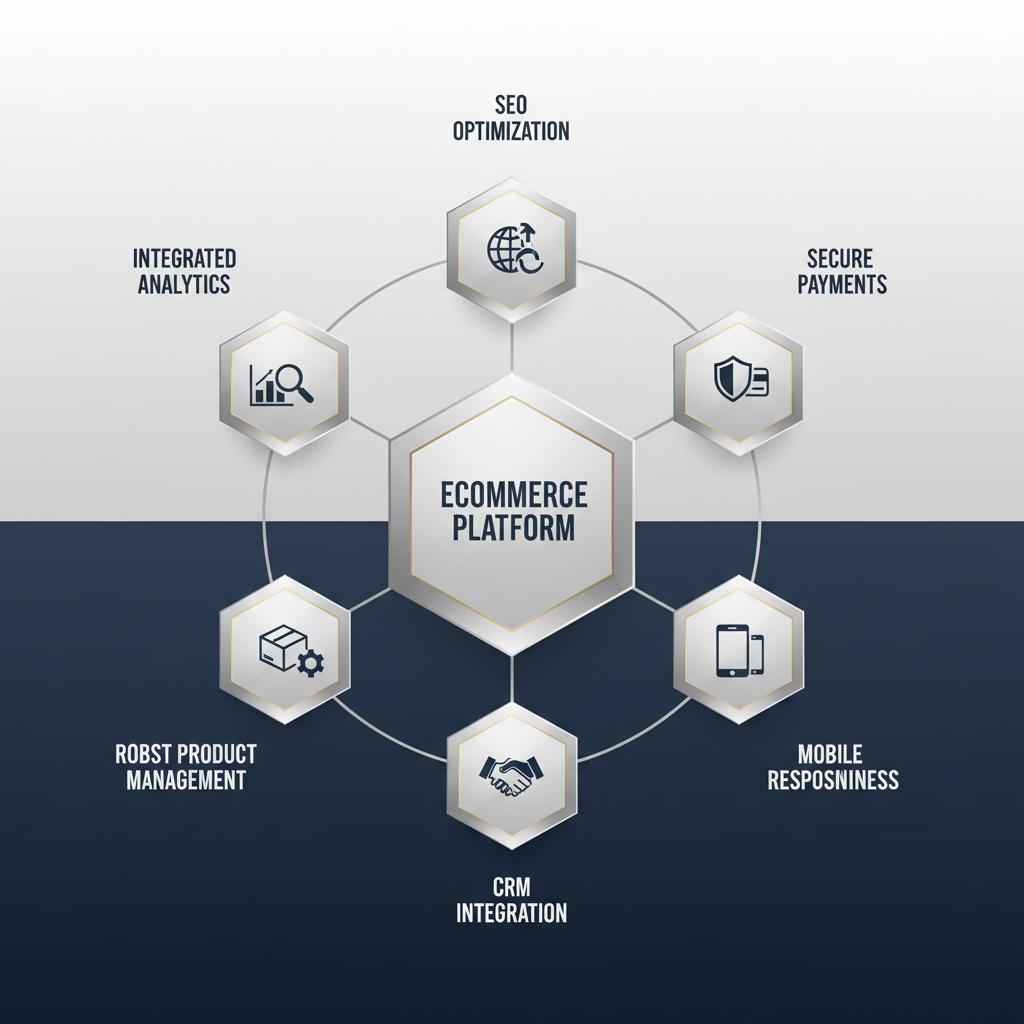
    An infographic visualizing a multi-layered hexagonal framework with 'Ecommerce Platform' at its center, surrounded by segments representing core features like 'Secure Payments', 'Mobile Responsiveness', and 'CRM Integration'.
    An executive-level infographic. Create a sophisticated, minimalist vector visualization of a multi-layered framework or a structured hexagonal system. A central core element represents ‘Ecommerce Platform’, with surrounding interconnected segments or nodes representing essential features: ‘Secure Payments’, ‘Mobile Responsiveness’, ‘Robust Product Management’, ‘Integrated Analytics’, ‘SEO Optimization’, and ‘CRM Integration’. Each feature is represented by a clean, abstract icon. The design uses geometric shapes with subtle gradients and silver or gold highlights on a deep navy, white, and charcoal background. Layout ensures clear visual hierarchy and negative space for feature labels. No humans, no cartoon elements, focusing on analytical representation of core services.

    Custom Branding and a Professional User Interface

    Your ecommerce website is often a customer’s first impression of your brand. That’s why custom branding and a professional look are essential. An expert ecommerce website design agency knows how important this is. They’ll make sure your site reflects your unique brand.

    This is about more than just a logo—it’s about creating a consistent visual style with your colors, fonts, and images. A professional design builds trust and helps you stand out from the competition.

    Key elements include:

    • Unique Brand Identity: A professional brand and custom logo that connect with your ideal customers.
    • Intuitive Navigation: A clean, user-friendly layout that helps visitors quickly find what they need.
    • Cohesive Visuals: Consistent design elements across all pages that reinforce your brand’s message.
    • Enhanced Trust: A polished look that makes your business seem more reliable and established.

    Getting this foundation right is key to building a strong online presence. It turns a basic template into a powerful tool for growing your business.

    Mobile-First, Responsive Design

    Most people now browse the web on their phones. Over half of all website traffic comes from mobile devices [4]. Your ecommerce site needs to look great and work perfectly on any screen, big or small. A mobile-first, responsive design provides the best experience for all users.

    Why is this crucial for your small business growth?

    • Wider Reach: You can connect with customers on any device they use.
    • Improved User Experience: Visitors who can easily browse and buy will stay longer and engage more.
    • Higher Sales: A smooth mobile experience leads to more sales, while a clunky one sends customers elsewhere.
    • Better SEO Performance: Search engines like Google rank mobile-friendly websites higher.

    A good ecommerce web development company will always prioritize a mobile-friendly design. It’s essential for growing your business.

    Secure Payment Gateway Integration

    Customers need to trust you with their payment information. That’s why secure payment processing is a must-have for any online store. It protects sensitive data and makes sure transactions go through smoothly.

    A reliable payment system should accept popular options like credit cards, PayPal, and digital wallets. Offering this convenience means fewer abandoned carts and more confident customers. It also makes your business look professional and trustworthy.

    Essential aspects of secure payment processing include:

    • SSL Encryption: Keeps customer data private and secure as it travels from their device to your server.
    • Multiple Payment Options: Gives your customers flexibility and convenience.
    • Fraud Protection: Reduces the risks that come with online payments.
    • PCI DSS Compliance: Follows strict security standards to protect credit card information.

    This secure, automated process is vital for making consistent sales. It simplifies your work and protects your business’s reputation.

    Scalable Product and Inventory Management

    As your business grows, so does the challenge of managing products and inventory. A well-designed ecommerce site should include powerful tools for this. These tools can automate repetitive tasks and save you a lot of time.

    You need a system that can manage all your current products and easily grow with you. It should be simple to add new items or handle busy seasons. This is a key part of automating your business.

    Look for features like:

    • Easy Product Uploads: Add new products, descriptions, and images with ease.
    • Variant Management: Easily handle different product sizes, colors, and styles.
    • Real-time Inventory Tracking: Always know what’s in stock to avoid selling items you don’t have.
    • Automated Stock Alerts: Get notified when you’re running low on a product to prevent stockouts.
    • Bulk Editing: Save time by updating many products at once.

    This powerful system frees you from manual work. With automated, streamlined operations, you can focus on strategies to grow your business.

    Built-in Lead Generation and Automated Sales Funnels

    Every growing business needs a steady stream of new leads. The best ecommerce websites build lead generation and automated sales funnels right in. This means your site works around the clock to attract and convert new customers.

    These tools turn casual visitors into loyal customers by guiding them through a clear path. Every step, from their first click to the final purchase, is designed to be effective.

    Key components of automated sales funnels include:

    • Opt-in Forms: Collect email addresses to stay in touch with potential customers.
    • Landing Pages: Create pages focused on specific campaigns to increase conversions.
    • Email Marketing Integration: Connect with potential customers using automated follow-up emails.
    • Abandoned Cart Recovery: Automatically remind shoppers about items they left in their cart.
    • Personalized Recommendations: Show customers other products they might like based on what they’ve viewed.

    This system helps you get new customers more predictably. It’s a key way to increase revenue with less manual effort.

    Search Engine Optimization (SEO) Foundation

    A beautiful website is useless if no one can find it. That’s why a strong Search Engine Optimization (SEO) foundation is so important. An expert ecommerce web design service will build your site with SEO in mind from the start. This helps more potential customers find your products through search engines.

    Good SEO isn’t an add-on; it’s built into your site’s structure, from technical details to your content. This helps you rank higher in search results and attract free, organic traffic, which is essential for long-term growth.

    Essential SEO features include:

    • Clean Code: A well-structured site that search engines can easily read and understand.
    • Fast Loading Speed: A quick website that improves user experience and search rankings.
    • Mobile Optimization: (As discussed above) A must-have for ranking well in search engines.
    • Schema Markup: Helps search engines understand your content, which can lead to more eye-catching search results.
    • SEO-Friendly URL Structures: Clear, simple web addresses that are easy for both users and search engines to read.
    • Optimized Content: Proper use of headings, meta descriptions, and image alt text to improve rankings.

    This complete approach ensures your online store is not just functional but also easy for customers to find. It’s a key part of using automation to grow your business.

    Why Choose Automated-Biz for Your Ecommerce Solution?
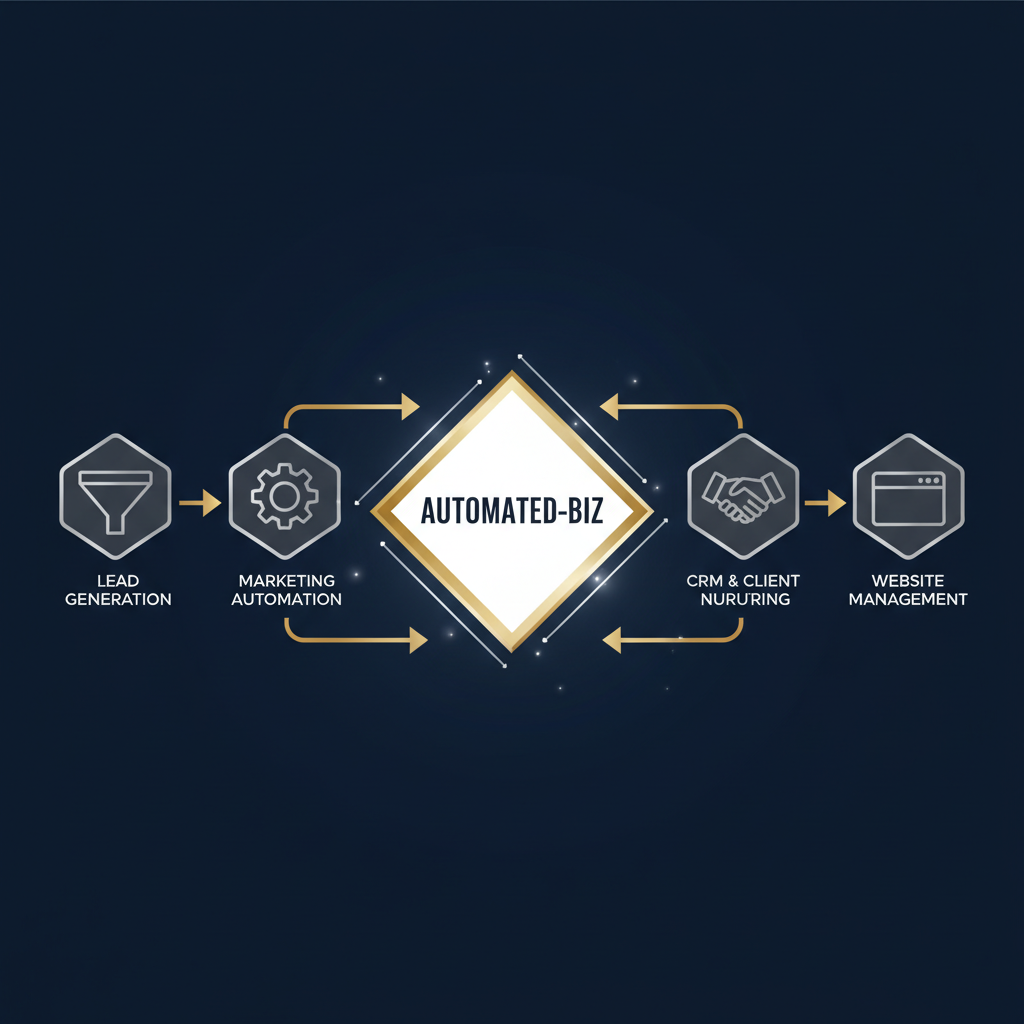
    An infographic depicting an automated workflow diagram with modules for 'Lead Generation', 'Marketing Automation', 'CRM', and 'Website Management' converging into a central 'Automated-Biz' hub, illustrating integrated ecommerce solutions.
    An executive-level infographic. Design a clean, minimalist vector-based automated workflow diagram. The diagram showcases interconnected, stylized modules representing ‘Lead Generation’, ‘Marketing Automation’, ‘CRM & Client Nurturing’, and ‘Website Management’, all seamlessly flowing into a central, prominent ‘Automated-Biz’ hub. This central hub radiates efficiency and integration. The aesthetic employs clean geometric or isometric shapes with subtle silver and gold metallic accents, set against a sophisticated deep navy, white, and charcoal color scheme. Maintain generous negative space and a structured layout to convey streamlined operations and comprehensive solutions. No humans, no cartoon elements, purely conceptual business visualization.

    Go Beyond Design with Integrated Business Automation

    Many businesses think ecommerce is just about website design. But a great-looking site is only the start. To succeed online, you need powerful business automation built into your platform. This approach focuses on real results, not just looks.

    Automated-Biz offers a better way. We don’t just build websites. We provide complete online business solutions that make your entire operation run smoother. This turns your ecommerce store into a powerful tool for small business growth, not just a pretty storefront.

    Our platform automates important tasks. For example, you can set up automatic emails after a customer buys something or leaves their cart. This frees up your time for more important work. Businesses using automation save a lot of time and become more efficient [5]. Your team can then focus on growing your business and connecting with customers.

    Choosing Automated-Biz means you get:

    • Integrated Tools: Your website, CRM, and marketing tools all work together. This means less manual data entry and fewer mistakes.
    • Room to Grow: Our custom ecommerce web design grows with your business. You’ll never be held back.
    • Better Efficiency: We use business process automation for your sales, marketing, and customer service. This keeps things running smoothly.
    • Clear Insights: Understand how customers find and buy from you. Use this knowledge to improve your strategy for better results.

    A Single Platform for Your Website, Marketing, and Sales

    Managing many different tools for your online business can be a hassle. You might have to juggle a website builder, a CRM, email software, and social media tools. Jumping between tools is inefficient and can cause you to miss opportunities. Many small businesses use around 40 different apps to run their business [6].

    With Automated-Biz, we make it simple. We provide one single platform for everything your business needs. Everything is connected, so your website, marketing, and sales work together perfectly. You’ll save time with automation and can focus on what matters most.

    Our all-in-one ecommerce website services mean you don’t need to hire several agencies. Everything you need is in one place. We offer expert branding and website creation and powerful digital marketing tools. This unified approach helps you look professional and build trust with customers.

    Your Automated-Biz platform includes:

    • Professional Website: Get a great-looking ecommerce site that works on any device and turns visitors into customers. It will be a perfect match for your brand.
    • Automated Sales Funnels: Turn visitors into buyers with ready-to-use workflows designed to increase sales.
    • Easy Lead Generation: Capture new leads automatically. Our tools help you find new customers consistently.
    • Social Media Automation: Schedule posts, reply to comments, and grow your following, all from one place.
    • Built-in Email Marketing: Connect with leads and customers using targeted email campaigns sent at the right time.

    Expert-Driven Solutions for Sustainable Small Business Growth

    Building a successful online business takes more than a good idea. You need a clear plan and expert help. Without them, you may struggle to grow. Automated-Biz gives you the tools and knowledge to grow your business the right way.

    Our team is made up of experienced digital marketing and ecommerce web developers. Think of us as your expert business partner. We know the challenges small businesses face and provide useful, hands-on advice to help you connect your strategy to real results.

    We focus on expert-driven solutions that help you achieve long-term, sustainable small business growth. Businesses that get professional advice are much more likely to grow and succeed [7]. Our platform uses proven methods for branding, finding customers, and running your business smoothly.

    Automated-Biz provides you with:

    • Expert Advice: Get clear advice on branding, web design, and digital marketing to help you make smart choices.
    • Proven Methods: Use our tested lead generation strategies and customer follow-up plans for reliable results.
    • Reputation Management: Build and protect your brand’s good name. Our tools make it easy to manage reviews and keep a positive online image.
    • Dedicated Support: Get help whenever you need it. We’re here to make sure you get the most out of our platform.
    • Constant Improvement: Use data to see what’s working. This helps you keep improving your strategies and growing your revenue.

    Frequently Asked Questions

    Which ecommerce website builder is best?

    The “best” ecommerce website builder depends on your business goals, budget, and how much automation you need. Many platforms can help you set up an online store. But they differ in their features, ability to grow with you, and how they connect with other tools.

    Popular choices for building an ecommerce site include:

    • Shopify: This platform is known for being easy to use and has a large app store. It’s a good fit for many small to medium-sized businesses. But transaction fees and the need for apps can add to the cost and complexity.
    • WooCommerce: A flexible plugin for WordPress, WooCommerce lets you customize almost anything. It takes more technical skill to set up and maintain. You also have to manage your own hosting and security.
    • BigCommerce: Built for larger, fast-growing brands, BigCommerce has many features ready to use. While powerful, its pricing can be a challenge for new businesses.
    • Wix/Squarespace: These platforms have user-friendly drag-and-drop editors for building a site quickly. They are great for simple online stores but often lack the advanced sales and automation tools that growing businesses need.

    While these builders create basic websites, they often don’t include built-in automation or growth tools. For business owners who want to scale, an all-in-one platform is a better choice. This way, your website becomes more than just a store—it becomes an engine for growth.

    Consider this comparison:

    Feature Standard Ecommerce Builders Automated-Biz Integrated Platform
    Core Focus Website creation, basic sales Automated growth and sales
    Integration Level Often requires many separate apps All-in-one branding, web design, marketing, sales, and CRM
    Automation Limited, manual setup needed Automated sales funnels, lead nurturing, social media automation
    Support Generic customer service Expert advice and dedicated support
    Outcomes Basic online presence A professional site, steady leads, predictable sales, and smooth operations

    Ultimately, the “best” solution gets you real results. It should save you time, increase your revenue, and make your business look more professional online. Automated-Biz offers a complete, expert-driven platform that does more than just build a website. It gives you a full set of tools designed to help your small business grow and run efficiently.

    What is the best company for web development?

    The best web development company is one that understands your long-term goals. It’s not just about building a website. It’s about creating a tool that automates tasks, brings in leads, and helps your business grow.

    When looking for a web development partner, choose a firm that:

    • Understands Your Business: They get to know your industry, customers, and challenges.
    • Offers Integrated Solutions: They offer more than just design. Look for a partner who provides branding, web design, marketing, and lead generation all in one place.
    • Focuses on ROI: They focus on results. A good partner will track measurable goals, like conversion rates and sales.
    • Provides Ongoing Support: They provide ongoing support. Your website will need updates and security checks, so make sure they offer them.
    • Incorporates Automation: They use automation. The best web development includes automation to make your business run more smoothly from the start.

    Freelancers and specialized agencies can build nice-looking sites, but they often only handle one piece of the puzzle. You might end up hiring different people for SEO, marketing, and content. This scattered approach can be inefficient and lead to mixed results. In fact, juggling multiple agencies is a common challenge for small businesses [8].

    Automated-Biz offers a complete solution for entrepreneurs. We combine expert web development with full business automation. Our platform includes professional branding, custom logo creation, custom web design, automated sales funnels, and online reputation management. We help your business run smoothly so you can scale smarter and faster. Your website will become a powerful tool for finding new clients and growing revenue.

    What is the best company for ecommerce?

    The “best company for ecommerce” is more than just a web developer. It’s a partner that gives you all the tools you need to succeed online. This includes not only web design but also marketing, sales, customer management, and business automation.

    A great ecommerce partner helps you achieve these key outcomes:

    • Increased Revenue: With better sales processes and ways to find new leads.
    • Enhanced Professionalism: With expert branding and a website designed to sell.
    • Streamlined Operations: By using automated tools to save you time.
    • Predictable Growth: By getting a consistent flow of new clients and repeat customers.
    • Strong Online Presence: With good SEO, automated social media, and a positive online reputation.

    Most web design companies focus on just one thing. They might build you a site, but then you’re on your own for marketing and finding leads. This can leave you feeling overwhelmed with all the extra tasks.

    Automated-Biz offers a complete, all-in-one solution. We aren’t just a web design company; we are a growth platform for your business. We provide marketing services that work perfectly with your website, including branding, custom web design, automated sales funnels, lead nurturing, social media, and reputation management. We turn messy, manual tasks into smooth, automated systems. Our goal is to help you grow your business faster with expert support.

    How to create an ecommerce website for free?

    You can create an ecommerce website for free using certain platforms, but it’s important to know the downsides. “Free” solutions have major limits and can cost you more in the long run. If you’re serious about growing your business, free options usually aren’t enough.

    Here’s what you usually get with a free ecommerce website:

    • Subdomain Branding: You’ll get a URL like “yourstore.freewebsite.com,” which looks unprofessional.
    • Limited Features: Free plans often limit how many products you can sell or which payment options you can use. You’ll miss out on key tools for finding leads and automating sales.
    • Lack of Professionalism: Free sites often show ads or the platform’s logo, which hurts your brand’s image.
    • Poor Scalability: As your business gets bigger, free platforms can’t handle more visitors or connect with the advanced tools you’ll need.
    • No Dedicated Support: You’re usually on your own when things go wrong.
    • SEO Challenges: Free platforms often have poor search engine optimization (SEO), making it hard for customers to find you online.

    While free sounds good at first, it can stop your business from growing. The time you save up front is often wasted on manual work, lost sales, and temporary fixes. To look professional and automate your work, you need a strong, all-in-one platform.

    Automated-Biz focuses on getting you real results. We offer expert help to create your brand and website, which work together with automated sales and lead generation tools. When you invest in a complete platform, you get everything you need: professional branding, custom web design, social media automation, and reputation management. This ensures your business runs smoothly, brings in steady leads, and can grow easily. Instead of guessing, you get expert guidance to automate your business and earn more money with less effort.


    Sources

    1. https://www.statista.com/statistics/1231606/global-ecommerce-market-value/
    2. https://www.agencyanalytics.com/blog/agency-pricing-guide
    3. https://blog.hubspot.com/sales/mobile-commerce-statistics
    4. https://www.statista.com/statistics/307481/share-of-mobile-internet-traffic-worldwide/
    5. https://blog.hubspot.com/sales/business-automation-benefits
    6. https://www.smallbusinessgenie.com/how-many-saas-tools-do-small-businesses-use/
    7. https://www.sba.gov/about-sba/sba-initiatives/sba-research-statistics
    8. https://www.forbes.com/sites/forbesagencycouncil/2021/04/21/the-challenge-of-managing-multiple-agency-partners-and-how-to-fix-it/
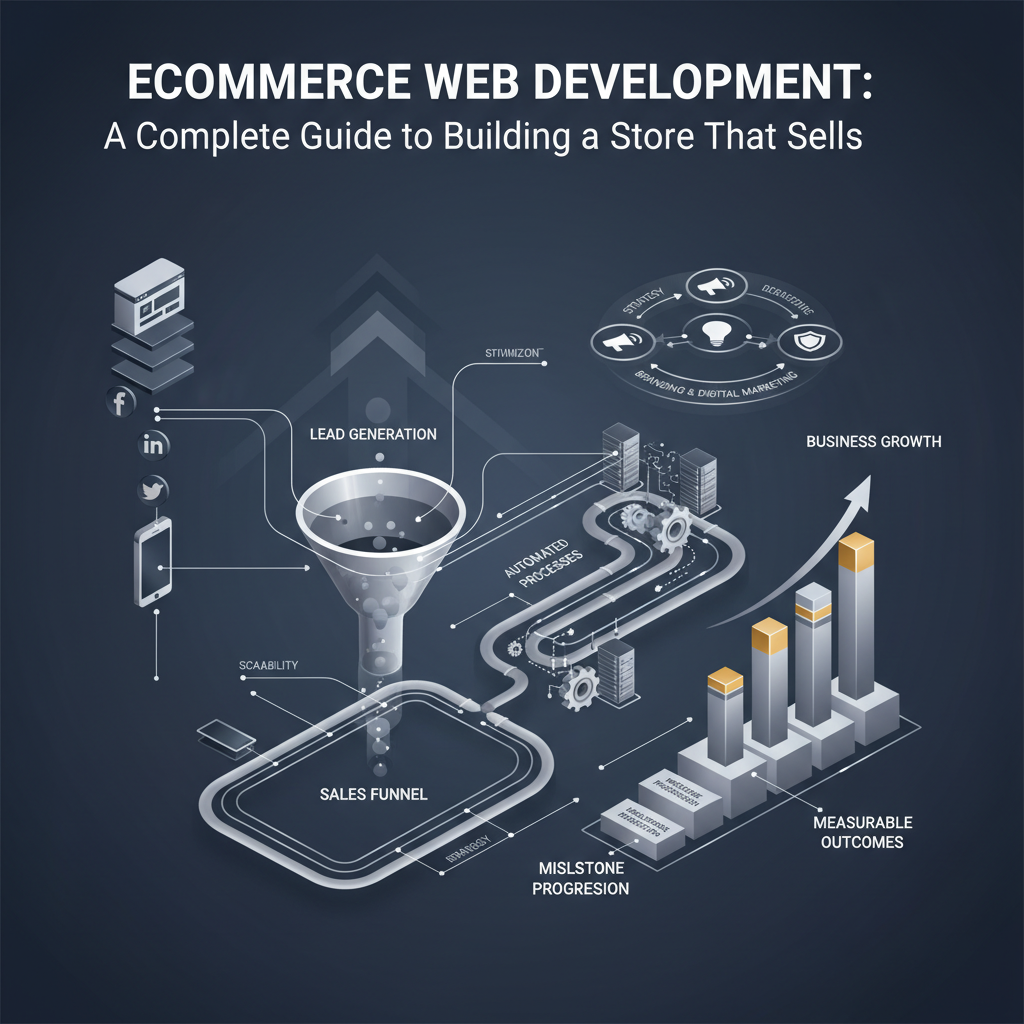
  • Ecommerce Web Development: A Complete Guide to Building a Store That Sells

    Ecommerce Web Development: A Complete Guide to Building a Store That Sells

    Ecommerce web development is the end-to-end process of creating an online platform for businesses to sell products and services directly to customers. It encompasses everything from website design, custom feature development, and payment gateway integration to security implementation and post-launch maintenance, all aimed at creating a seamless and efficient online shopping experience.

    In today’s competitive digital landscape, merely having an online presence isn’t enough to drive sustainable business growth. Many entrepreneurs and small business owners find themselves struggling to grow their business online, overwhelmed by the complexities of marketing and operations, and yearning for a professional, trustworthy image. Building an effective online store requires more than just listing products; it demands a strategic approach to ecommerce web development that turns visitors into loyal customers and ensures your business stands out. Without a well-executed plan, the journey of building an ecommerce site can feel like navigating a maze, leading to inconsistent sales and wasted effort.

    This complete guide to ecommerce web development is designed to cut through the noise, offering clear, actionable guidance to help you build a store that truly sells. We understand the need to generate consistent leads and want to automate workflows without losing quality, freeing you from manual tasks. From strategic planning and captivating UI/UX design to robust website creation and implementing automated sales funnels, we’ll walk you through every critical phase. You’ll discover how integrated online business solutions, combined with expert strategies, can transform your vision into a high-performing digital storefront, setting the foundation for significant small business growth.

    Whether you’re starting from scratch or looking to revitalize an existing store, this guide will provide the insights you need to make informed decisions about your e commerce development. We’ll explore the core process, from branding and website creation to integrating essential features and leveraging business automation for maximum efficiency. Learn how the right ecommerce development services can help you appear professional and trustworthy online, streamline operations, and scale your business smarter and faster, turning a complex endeavor into a structured, rewarding journey toward online success.

    What Is Ecommerce Web Development?

    Ecommerce web development is the specialized process of building online stores. It involves creating a functional, secure, and user-friendly platform. This platform allows businesses to sell products or services directly over the internet.

    From initial design to final launch, it covers everything. This includes setting up payment systems and managing product catalogs. A robust ecommerce site development focuses on creating a seamless shopping experience. It ensures your customers can easily find, purchase, and receive products.

    For entrepreneurs and small business owners, this is more than just a website. It’s your digital storefront, sales engine, and customer service hub.

    Why a Professional Ecommerce Site is Crucial for Small Business Growth

    In today’s digital landscape, a professional ecommerce site is not optional. It is absolutely essential for small business growth. An effective online presence transforms how you connect with customers and scale your operations.

    Many businesses are struggling to grow online. A professionally built ecommerce site offers a powerful solution. It moves you beyond local limitations. It opens your business to a global market.

    Here’s why investing in expert ecommerce web development is critical:

    • Establishes Credibility and Trust: A well-designed site projects professionalism. It assures customers your business is legitimate and reliable. Approximately 75% of users judge a company’s credibility based on its website design [1].
    • Expands Your Reach Significantly: Physical stores have geographical boundaries. An ecommerce site operates 24/7. It reaches customers worldwide. This greatly increases your potential customer base.
    • Enhances Customer Experience: Easy navigation, fast loading times, and secure payment options create a positive buying journey. This leads to higher satisfaction and repeat sales.
    • Drives Consistent Lead Generation: Your website can integrate lead generation strategies. This includes sign-up forms and calls-to-action. It helps you capture potential customer information around the clock.
    • Enables Automated Sales Funnels: A professional site is the foundation for automated sales funnels. These systems guide visitors from browsing to purchasing. They nurture leads automatically.
    • Offers Scalability for Growth: As your business expands, a well-built ecommerce site can grow with you. It supports more products, higher traffic, and new features without extensive overhauls.
    • Provides Valuable Data Insights: Ecommerce platforms collect data on customer behavior. This insight helps you refine marketing strategies and optimize your offerings.
    • Automates Key Business Processes: Integrated systems can automate inventory management, order processing, and shipping. This frees up your time. It helps businesses like yours, often overwhelmed with marketing and operations tasks.

    Automated-Biz offers comprehensive online business solutions. We focus on branding and website creation. This ensures your ecommerce site is not just built, but optimized for success. It supports your small business growth journey from day one.

    Key Differences: Ecommerce Platforms vs. Custom ecommerce development

    Choosing the right foundation for your online store is a critical decision. You generally have two main paths: using an existing ecommerce platform or opting for custom ecommerce development. Each has distinct advantages and considerations.

    Understanding these differences helps you make an informed choice. This choice should align with your business goals and future growth plans.

    Ecommerce Platforms (e.g., Shopify-website-development/”>Shopify, BigCommerce, WooCommerce)

    These are off-the-shelf solutions. They provide pre-built templates and functionalities. They offer a quicker entry into the market.

    • Pros:
      • Speed to Market: Launch your store relatively quickly.
      • Lower Upfront Cost: Subscription-based models reduce initial investment.
      • Ease of Use: User-friendly interfaces often require less technical expertise.
      • Built-in Features: Many essential ecommerce features are readily available.
      • Maintenance & Security: Platform providers handle server maintenance and security updates.
    • Cons:
      • Limited Customization: Design and functionality are often constrained by the platform’s framework.
      • Scalability Limits: May face limitations as your business grows or requires unique features.
      • Subscription Fees: Ongoing monthly costs can add up, plus transaction fees.
      • Vendor Lock-in: Migrating to a different platform later can be complex and costly.
      • Feature Dependence: You rely on the platform’s roadmap for new features.

    Custom Ecommerce Development

    Custom ecommerce development involves building a unique online store from the ground up. An ecommerce development company or ecommerce developer creates a tailored solution. This meets your exact specifications.

    • Pros:
      • Complete Customization: Full control over design, functionality, and user experience.
      • Unmatched Scalability: Built to grow with your business, handling increasing traffic and product lines.
      • Unique Branding: Reflects your brand identity perfectly, without template restrictions.
      • Optimal Performance: Tailored code often results in faster loading times and better security.
      • Integration Flexibility: Seamlessly integrate with existing business systems and tools.
      • No Recurring Platform Fees: Avoids ongoing subscription costs and transaction fees (beyond payment processors).
    • Cons:
      • Higher Upfront Cost: Requires a larger initial investment for design and development.
      • Longer Development Time: The process takes more time due to bespoke coding and testing.
      • Requires Expertise: Needs an experienced ecommerce development agency or expert ecommerce web developer.
      • Ongoing Maintenance: You or your development partner are responsible for updates and security.

    Here is a comparison table summarizing the key differences:

    Feature Ecommerce Platforms Custom Ecommerce Development
    Control & Customization Limited by templates and platform features Full control; unique design and functionality
    Development Cost Lower upfront, ongoing subscription fees Higher upfront investment, lower long-term platform fees
    Time to Market Faster (weeks to a few months) Slower (several months to a year or more)
    Scalability Good for small to medium growth; may have limits Built for unlimited growth and specific needs
    Maintenance Handled by platform provider Managed by you or your development partner
    Integration Via apps or limited APIs Seamless integration with any system
    Ownership You rent the platform, own your data You own the entire codebase and intellectual property

    For businesses serious about long-term scalability and a truly unique online presence, custom ecommerce website development often proves to be the superior choice. Automated-Biz works as an ecommerce development agency. We provide comprehensive ecommerce web development services. We guide you through selecting the right solution. This ensures your online store is built for maximum impact and sustained growth. We offer expert insight into branding, website design, and digital marketing, integrated under one platform.

    What is the Ecommerce Website Development Process?

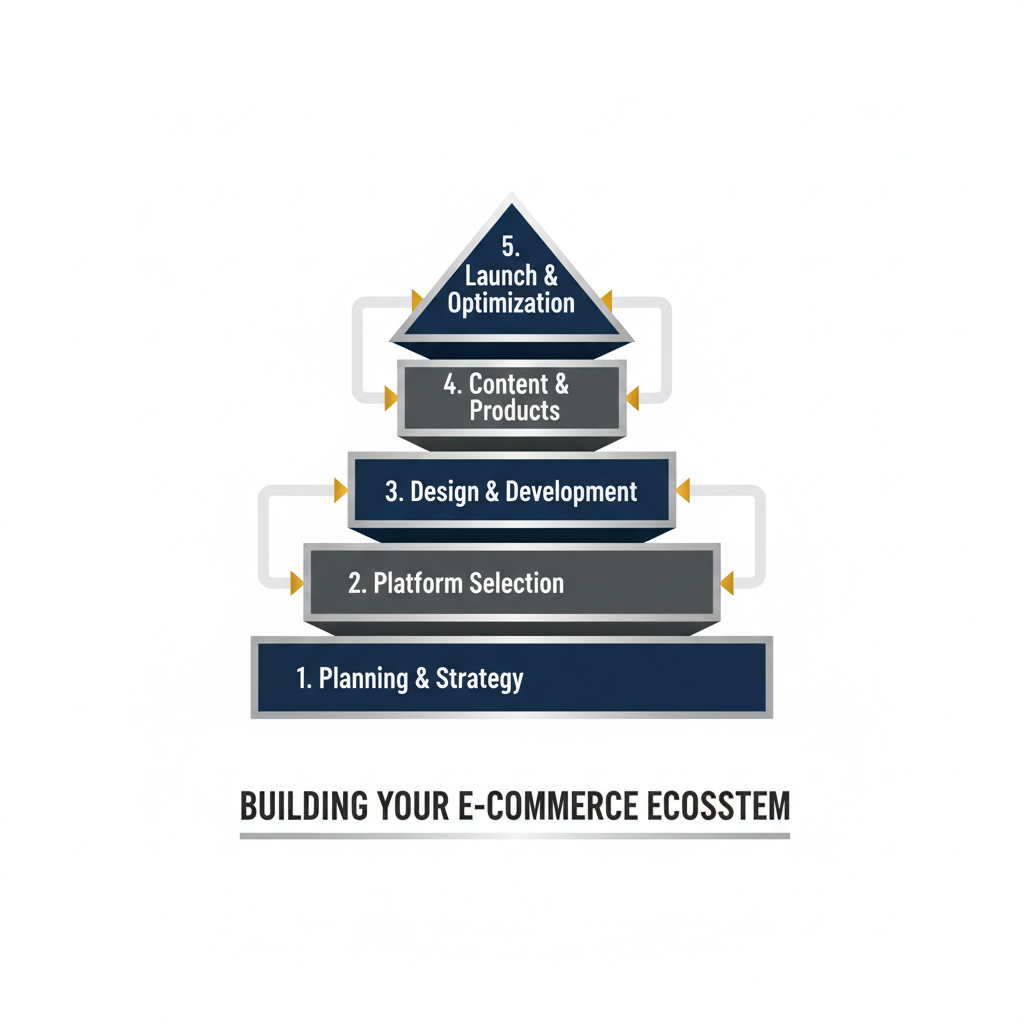
    A professional, multi-stage process flow infographic illustrating the ecommerce website development journey using interconnected geometric shapes and minimalist icons.
    An executive-level infographic representing the ecommerce website development process as a clear, sequential flow. Visualize 5-7 distinct stages using clean, connected geometric shapes (e.g., hexagons, rectangles, or circles) arranged in a structured, horizontal or vertical progression with directional arrows. Each stage should have a minimalist icon representing its concept (e.g., a gear for planning, a blueprint for design, a code symbol for development, a shopping cart for launch, a magnifying glass for optimization). The style is minimalist, vector-based, professional, and premium, with deep navy, white, and charcoal as primary colors, and subtle silver or gold accents on the connecting lines or icons to signify progress and quality. The overall layout uses ample negative space to ensure clarity and convey a sophisticated business aesthetic. No humans or cartoon elements. Focus on analytical representation for entrepreneurs and executives.

    Building a successful ecommerce store involves a systematic approach. It’s more than just putting products online; it’s about creating a robust, intuitive, and secure platform that drives sales and automates your operations. Automated-Biz guides you through each critical phase of ecommerce web development, ensuring your online store is built for both performance and scalable small business growth.

    Phase 1: Strategy and Planning Your Online Store

    Every thriving online business begins with a clear strategy. This foundational phase is crucial for defining your store’s purpose and direction. We help you map out every detail before a single line of code is written.

    • Define Your Vision: Articulate your core business objectives. What do you want your online store to achieve?
    • Target Audience Identification: Understand who your customers are. What are their needs, pain points, and buying habits? This insight informs everything, from design to product offerings.
    • Competitive Analysis: Research your competitors. What are they doing well? Where can your business offer unique value? This helps you carve out a distinct niche.
    • Product Catalog and Features: List your products and services. Determine essential features like product variations, reviews, and wishlists.
    • Monetization Strategy: How will your store generate revenue? Consider pricing models, subscription options, or upsell opportunities.
    • Scalability Planning: Anticipate future growth. How will your store handle increased traffic and product expansion? Automated-Biz specializes in solutions that support long-term small business growth.

    A solid plan prevents costly revisions and sets the stage for a professional online presence. It streamlines the entire ecommerce development process, saving you time and resources.

    Phase 2: UI/UX Design and Brand Integration

    Once your strategy is clear, the focus shifts to creating an engaging and user-friendly experience. UI (User Interface) and UX (User Experience) design are vital for attracting and retaining customers.

    • User Flow Mapping: We design the journey your customers will take through your site, from discovery to checkout. This ensures a seamless and logical path.
    • Wireframing and Prototyping: Visual layouts are created to demonstrate page structure and functionality. This provides a blueprint before visual design begins.
    • Custom UI Design: This phase brings your brand to life. We develop visually appealing layouts, color schemes, and typography that reflect your unique branding and website creation vision.
    • Intuitive UX Design: Focus is placed on ease of use. This includes clear navigation, fast loading times, and a responsive design that works perfectly on any device. Up to 90% of users have stopped using an app due to poor performance or design [2].
    • Brand Integration: Your brand identity is woven into every element. This creates a cohesive and professional online presence that builds trust and recognition. Automated-Biz offers expert branding and custom logo creation to ensure your store truly stands out.

    An exceptional UI/UX design keeps customers engaged, reduces bounce rates, and converts visitors into loyal clients. It’s a critical component of strong digital marketing systems.

    Phase 3: Choosing Your Tech Stack and Ecommerce Tools

    Selecting the right technology stack is fundamental for a stable, scalable, and secure ecommerce platform. This decision impacts your store’s performance, flexibility, and future growth potential.

    • Ecommerce Platform Selection: We help you evaluate platforms like Shopify, WooCommerce, or custom solutions. The choice depends on your budget, required features, and scalability needs.
    • Database Management: We determine the best way to store product information, customer data, and order history securely and efficiently.
    • Server and Hosting: Reliable hosting ensures your store is always accessible and performs optimally, even during peak traffic.
    • Third-Party Integrations: Essential tools for business automation are integrated. This includes CRM systems, email marketing platforms for lead nurturing, inventory management software, and shipping solutions. Automated-Biz helps you integrate technology with real-world business strategies to streamline operations.
    • Security Measures: Planning for robust security protocols from the outset is non-negotiable. This protects both your business and your customers.

    Automated-Biz offers expert guidance in choosing the right combination of tools. This ensures you build a robust foundation for automated sales funnels and efficient business process automation without losing quality.

    Phase 4: Website Coding and Development

    This is where your vision transforms into a functional ecommerce website. Our ecommerce web development team meticulously builds your store based on the approved designs and chosen technologies.

    • Front-End Development: This involves coding what users see and interact with. It includes implementing the UI/UX design, creating responsive layouts, and ensuring smooth user navigation.
    • Back-End Development: The unseen engine of your store. This includes server-side logic, database management, and custom functionality development. This powers features like product management, user accounts, and order processing.
    • Custom Feature Implementation: Developing unique functionalities tailored to your business. This could be specific product configurators, loyalty programs, or advanced search filters. Custom ecommerce development helps you stand out.
    • Content Management System (CMS) Integration: Setting up a system that allows you to easily update product information, blog posts, and other site content without needing a developer.
    • Performance Optimization: Ensuring the site loads quickly and runs smoothly across all devices. This is crucial for user experience and search engine rankings.

    Automated-Biz’s ecommerce development services focus on clean, efficient code that delivers a high-performing and professional online presence.

    Phase 5: Integrating Payment Gateways and Security Protocols

    Secure and reliable transactions are the backbone of any ecommerce business. This phase focuses on setting up payment processing and safeguarding sensitive data.

    • Payment Gateway Integration: Connecting popular and trusted payment processors like Stripe, PayPal, or Square. This allows your customers to make purchases safely and conveniently.
    • SSL Certificate Implementation: Installing an SSL certificate encrypts data transferred between your site and your customers. This is essential for protecting sensitive information and building trust.
    • PCI DSS Compliance: Ensuring your store adheres to Payment Card Industry Data Security Standard regulations. This protects credit card data.
    • Fraud Prevention Tools: Implementing measures to detect and prevent fraudulent transactions, protecting both your business and your customers.
    • Data Privacy Measures: Ensuring compliance with data protection laws like GDPR or CCPA. This builds customer confidence in your online reputation management efforts.

    Prioritizing robust security builds trust with your customers. It ensures a safe shopping environment, reinforcing your business’s credibility and professionalism online.

    Phase 6: Testing, Quality Assurance, and Launch

    The final stage ensures your ecommerce store is flawless, fully functional, and ready to go live. Thorough testing prevents issues that could impact sales and customer satisfaction.

    • Functional Testing: Verifying that all buttons, forms, links, and features work as intended. Every component is checked for proper operation.
    • Performance Testing: Assessing how the site handles high traffic and large data loads. This ensures stability and speed under various conditions.
    • Security Testing: Probing for vulnerabilities to protect against potential threats and ensure data integrity.
    • Cross-Browser and Device Compatibility: Confirming the store looks and functions perfectly across different browsers and mobile devices.
    • User Acceptance Testing (UAT): Allowing real users (or stakeholders) to test the site. Their feedback helps identify any remaining usability issues.
    • Final Content Review: Proofreading all product descriptions, policies, and site content for accuracy and clarity.
    • Deployment and Launch: Carefully moving the fully tested site from a staging environment to live production.
    • Post-Launch Monitoring: Continuously tracking site performance, security, and user behavior after launch. This helps identify areas for ongoing optimization and supports your small business marketing services.

    With Automated-Biz, your ecommerce store undergoes rigorous quality assurance, ensuring a smooth launch and a powerful platform for consistent lead generation strategies and revenue growth.

    How Can You Automate and Grow Your Ecommerce Business?

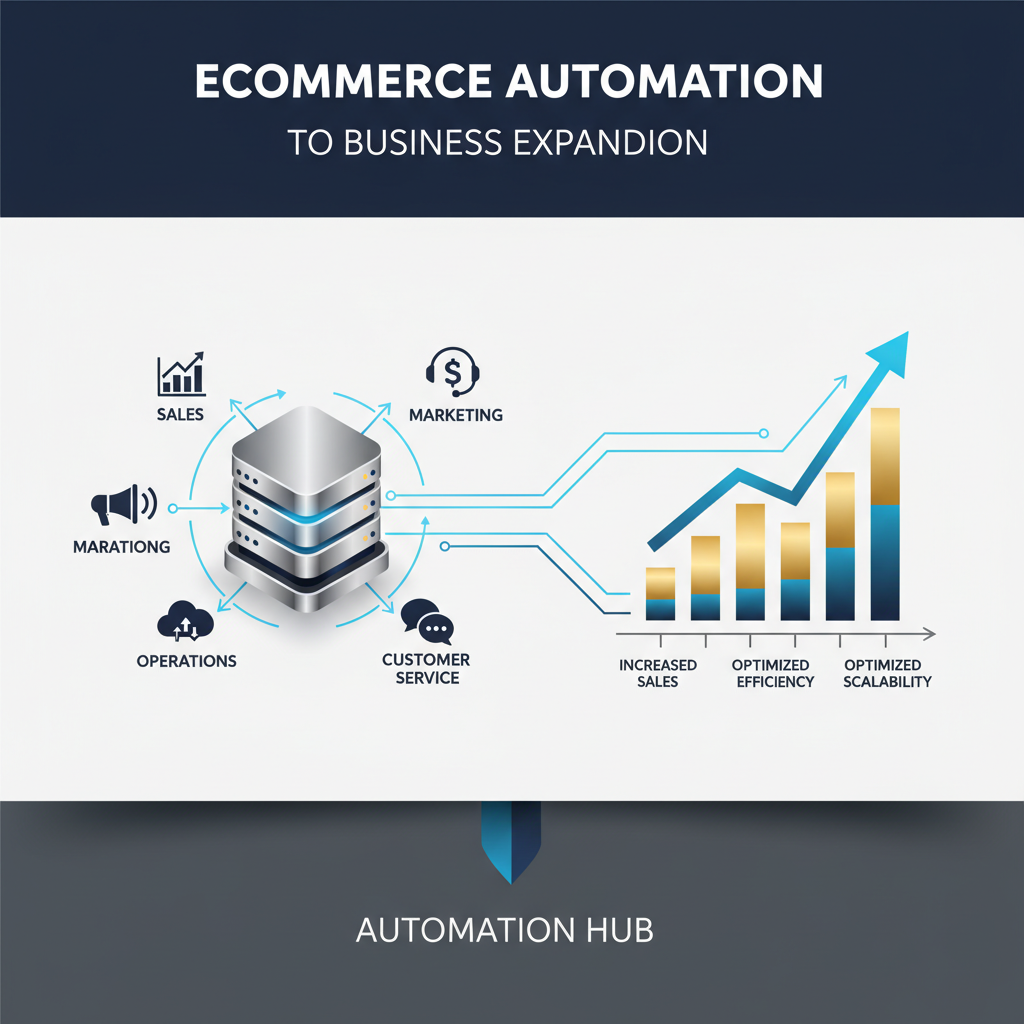
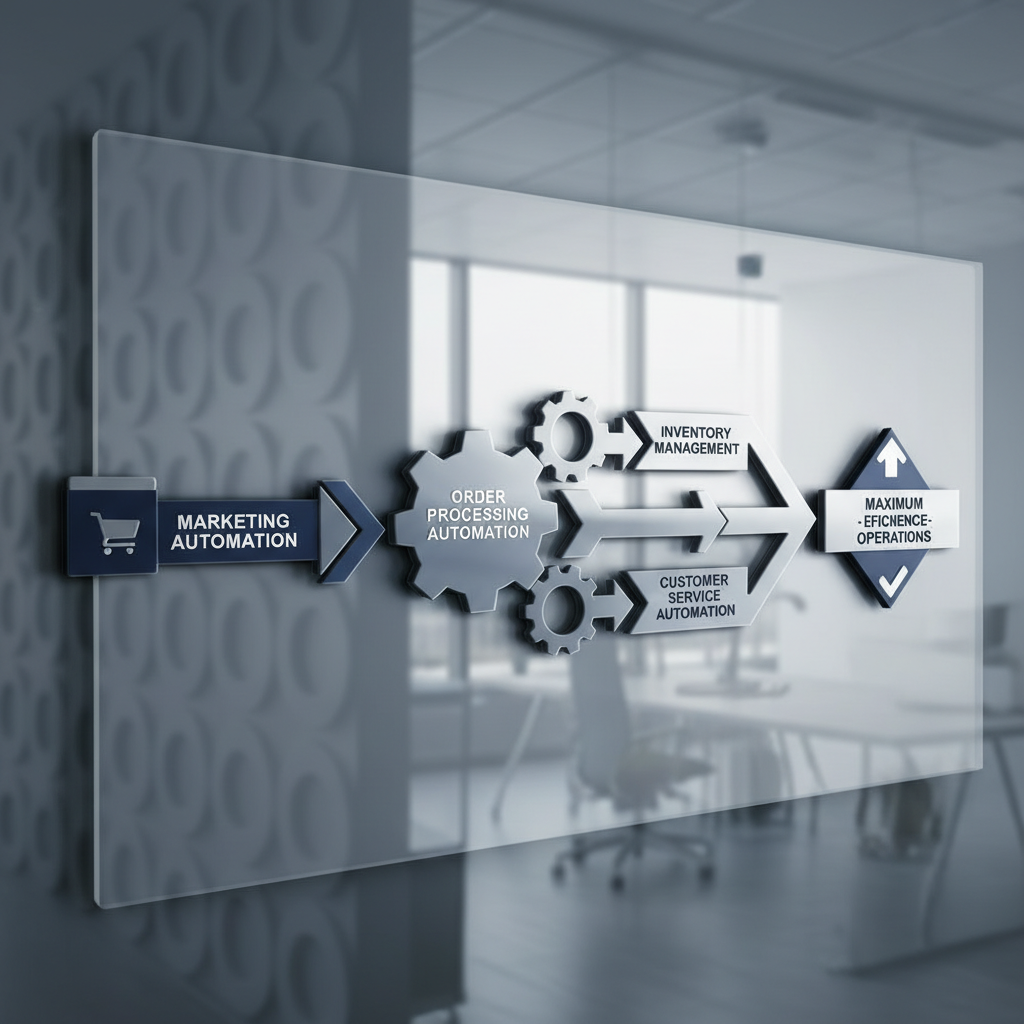
    An infographic illustrating how a central automation hub streamlines various ecommerce business functions, leading to significant growth depicted by an ascending chart.
    A premium infographic visualizing the concept of ecommerce automation leading to business growth. Depict a central ‘automation hub’ as a sleek, isometric gear or a stylized server unit, emitting streamlined workflow lines towards different business functions (e.g., sales, marketing, operations, customer service), represented by small, elegant vector icons (e.g., a sales chart, a megaphone, a data cloud, a chat bubble). These automated workflows converge to feed into an upward-trending growth chart or a rising bar graph, symbolizing increased sales, efficiency, and scalability. The design uses clean geometric shapes, subtle gradients, and metallic silver or gold highlights against a deep navy, white, and charcoal palette. The layout is structured with significant negative space, conveying clarity, efficiency, and a results-driven approach. No human figures or photographs.

    Implementing Automated Sales Funnels

    Growing your ecommerce business requires more than just a website. You need a reliable system to convert visitors into loyal customers. Automated sales funnels are your solution. They guide potential buyers seamlessly through every stage. This process turns initial interest into consistent sales. Therefore, you can generate consistent leads effortlessly.

    An effective automated sales funnel ensures no lead is left behind. It works while you focus on other critical business areas. Automated-Biz offers robust tools for building these vital funnels. Our platform simplifies complex marketing processes. This helps you establish a professional online presence with ease.

    Key steps for implementing automated sales funnels include:

    • Awareness Stage: Attract visitors through targeted ads and engaging content. This captures their initial interest.
    • Interest Stage: Capture contact information with compelling offers. Think about lead magnets like free guides or exclusive discounts.
    • Decision Stage: Nurture leads with personalized emails. Highlight product benefits and address common concerns. Offer clear calls to action.
    • Action Stage: Facilitate easy purchases with optimized product pages. Ensure a smooth checkout experience.
    • Retention Stage: Follow up post-purchase. Encourage repeat business and solicit feedback.

    As a result, you transform inconsistent leads into predictable client acquisition. This strategic approach drives significant revenue growth for your small business.

    Using Automation for Lead Nurturing and Customer Retention

    Building a customer base is just the start. Keeping them engaged and encouraging repeat purchases is crucial for sustained small business growth. Manual follow-ups are time-consuming. However, automation empowers you to nurture leads and retain customers efficiently. It ensures every client feels valued without overwhelming your team.

    Automated lead nurturing campaigns deliver relevant content at the right time. This builds trust and positions you as an expert. For instance, new subscribers can receive a welcome series. Customers who abandon their carts can get timely reminders. This strategy significantly boosts conversion rates [3].

    Furthermore, customer retention automation cultivates loyalty. You can set up automated emails for various milestones. This includes birthday wishes or anniversary discounts. Segmenting your audience allows for highly personalized communication. This level of engagement strengthens client relationships. Consequently, it drives repeat sales.

    Automated-Biz integrates these powerful lead nurturing and customer retention features. Our platform allows you to:

    • Create personalized email sequences based on user behavior.
    • Automate post-purchase follow-ups.
    • Implement loyalty programs with triggered rewards.
    • Collect customer feedback to improve services and manage your online reputation.
    • Segment your audience for targeted marketing messages.

    This proactive approach ensures continuous engagement. It transforms one-time buyers into lifelong customers. You automate workflows without losing quality or personalization.

    Streamlining Operations with Business Process Automation

    Many small business owners feel overwhelmed with marketing and operations tasks. Business process automation (BPA) is a game-changer. It automates repetitive, everyday workflows. This frees up valuable time and resources. Consequently, you can focus on strategic growth initiatives.

    BPA goes beyond marketing automation. It optimizes back-end functions critical to your ecommerce success. Think about inventory management, order fulfillment, and customer service. Automating these areas reduces human error. It also increases overall operational efficiency.

    Automated-Biz provides comprehensive business process automation tools. We empower your online business solutions to run smoothly. Our integrated platform helps you transition from manual, disjointed workflows to automated, streamlined operations. This leads to scalable business processes and faster growth.

    Consider automating these common ecommerce operations:

    • Inventory Management: Automatically update stock levels across all channels. Generate reorder alerts when supplies are low.
    • Order Processing: Sync orders directly from your store to fulfillment centers. Send automated shipping notifications to customers.
    • Customer Support: Implement chatbots for instant answers to frequently asked questions. Route complex queries to human agents seamlessly.
    • Data Reporting: Generate automated sales reports and analytics. Gain insights into customer behavior and performance trends.
    • Employee Onboarding: Automate the distribution of training materials and essential documents for new hires.

    By implementing business process automation, your business runs more efficiently. You save time, reduce costs, and enhance customer satisfaction. Automated-Biz empowers you to achieve maximum productivity with minimal effort.

    Hiring an Ecommerce Development Company vs. DIY

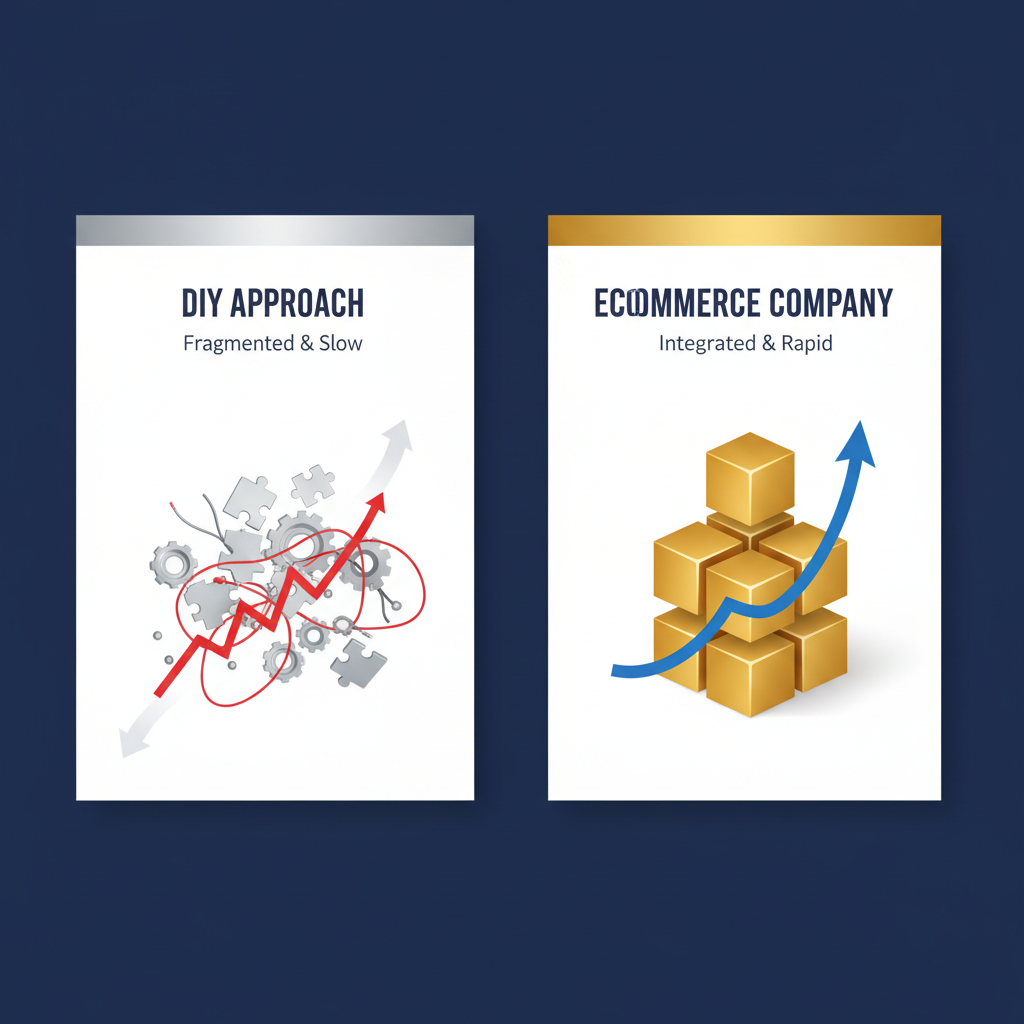
    A comparative infographic highlighting the fragmented, complex path of DIY ecommerce development versus the streamlined, integrated solution offered by a professional development company, showing faster growth.
    An executive-level comparative infographic contrasting the ‘DIY’ approach with ‘Hiring an Ecommerce Development Company.’ The visual should be split into two distinct, parallel vertical columns or paths. The ‘DIY’ side depicts fragmented, disconnected geometric elements, possibly with some visual complexity (e.g., tangled lines, a partial puzzle) and a slower, more arduous upward progression line. The ‘Company’ side shows integrated, smoothly connected geometric components forming a cohesive, streamlined structure (e.g., interlocked blocks, a unified system) with a clear, rapid upward trajectory. Use subtle contrasting shades or metallic accents (e.g., silver for DIY challenges, gold for company solutions) within the deep navy, white, and charcoal color scheme to highlight the benefits of professional development. The style is minimalist, vector-based, and premium, emphasizing clarity, structured grouping, and a visual hierarchy that positions the ‘company’ path as the superior, efficient choice. No humans or cartoon elements.

    Building a successful online store requires more than just listing products. It demands a strategic approach to technology, design, and marketing. Many entrepreneurs face a critical decision: should you tackle ecommerce web development yourself, or partner with an expert?

    While the DIY route can seem cost-effective initially, it often leads to unforeseen challenges. A professional ecommerce development company brings a depth of expertise. This partnership ensures your online presence is not just functional, but also optimized for sales and long-term growth. Furthermore, it frees you to focus on core business strategies.

    Benefits of Partnering with an Ecommerce Development Agency

    For ambitious entrepreneurs and small business owners, the choice is clear. Collaborating with an ecommerce development agency offers significant advantages. These benefits extend far beyond simply having a website. They impact your efficiency, profitability, and market perception.

    Here’s how an expert partner transforms your ecommerce store development:

    • Expertise and Experience: Agencies bring years of experience. They understand complex platforms, coding, and integration needs. This expertise helps you avoid common pitfalls.
    • Professional Design and User Experience (UX): A polished, intuitive store builds trust. An agency creates a custom design that reflects your brand. This leads to a seamless, engaging shopping experience for customers.
    • Scalability and Future Growth: Your business will grow. A professionally built site is designed to scale with you. This prevents costly redevelopments later on.
    • Robust Security and Compliance: Online security is non-negotiable. Agencies implement advanced security measures and ensure compliance. This protects both your business and your customers.
    • SEO Optimization from Day One: Visibility is crucial for small business growth. Experts build your site with search engine optimization (SEO) best practices in mind. This helps attract organic traffic immediately.
    • Seamless Integrations: Ecommerce sites need many integrations. These include payment gateways, inventory management, and CRM systems. Agencies ensure these tools work together flawlessly.
    • Automated Workflows: Professional ecommerce development services often include setting up automated sales funnels. They also implement business process automation. This streamlines operations and saves time.
    • Time and Resource Savings: Your time is valuable. Delegating development frees you to manage your business. It removes the stress of learning complex technical skills.
    • Ongoing Support and Maintenance: Websites require continuous attention. Agencies provide post-launch support, updates, and troubleshooting. This keeps your store running smoothly.

    In essence, partnering with an ecommerce development agency shifts you from manual, disjointed workflows to automated, streamlined operations. You move from DIY guesswork to expert-guided business automation. This strategy consistently delivers measurable outcomes for your online business.

    Key Skills to Look for in an Ecommerce Developer

    When selecting an ecommerce web developer or ecommerce website development company, assess their capabilities carefully. The right developer is more than just a coder. They are a strategic partner. They should understand your business goals and translate them into a high-performing online store.

    Here are critical skills and qualities to prioritize:

    • Technical Proficiency:
      • Platform Expertise: Strong command of leading ecommerce platforms (e.g., Shopify, Magento, WooCommerce).
      • Programming Languages: Proficient in relevant languages like HTML, CSS, JavaScript, PHP, Python, or Ruby.
      • Database Management: Experience with databases (e.g., MySQL, PostgreSQL) for efficient data handling.
      • API Integration: Ability to connect third-party tools and services seamlessly.
    • Design and User Experience (UX) Acumen:
      • UI/UX Design Principles: Understanding of intuitive navigation, compelling layouts, and responsive design.
      • Conversion Optimization: Knowledge of how design impacts customer journeys and purchase decisions.
      • Mobile-First Approach: Ensuring the store performs perfectly on all devices.
    • Digital Marketing and SEO Knowledge:
      • Search Engine Optimization: Implementing technical SEO, site structure, and content best practices.
      • Analytics Integration: Setting up tools like Google Analytics for tracking performance.
      • Marketing Automation: Understanding how to integrate automated sales funnels and email marketing.
    • Security and Performance:
      • Cybersecurity Best Practices: Implementing SSL certificates, secure payment gateways, and data protection.
      • Performance Optimization: Ensuring fast load times and smooth operation.
    • Business Acumen and Communication:
      • Project Management: Ability to manage timelines, budgets, and deliverables effectively.
      • Communication Skills: Clear, regular updates and responsiveness to your needs.
      • Strategic Thinking: Understanding your small business growth strategies and providing relevant recommendations.

    A developer with these skills can build a site that not only looks professional but also acts as a powerful engine for your online business solutions. They transform your vision into a revenue-generating asset.

    When to Use an Ecommerce Website Builder

    For some businesses, a DIY ecommerce website builder can be a viable starting point. These platforms offer templates and drag-and-drop interfaces. They require minimal technical skills. However, it’s crucial to understand their limitations. Website builders are best suited for specific scenarios.

    Consider a website builder if:

    • You Have a Very Limited Budget: Builders often have low monthly fees. This makes them accessible for bootstrapped ventures.
    • Your Needs Are Basic: You only require standard product listings and simple payment processing. You don’t need complex features.
    • You’re Testing a Business Idea: A builder allows you to launch quickly. You can validate your product or market before investing heavily.
    • You Have Minimal Customization Requirements: You are comfortable with template-based designs. You don’t need unique branding elements or advanced functionality.
    • You Don’t Anticipate Rapid Scaling: Your business is likely to remain small. You don’t foresee needing extensive integrations or high traffic volumes.

    However, for businesses serious about sustained small business growth and professional presence, builders often fall short. They typically lack the flexibility for custom ecommerce development. Furthermore, they can hinder advanced business automation and personalized customer experiences. For instance, only about 26% of small businesses actively use marketing automation [4]. This highlights a gap that professional services can fill.

    While builders offer a quick launch, they often lead to fragmented workflows. You might find yourself overwhelmed with marketing and operations tasks that a custom solution could automate. When you’re ready to move beyond basic functionality and truly scale, expert ecommerce web development services become essential. They provide the robust foundation, seamless integrations, and growth-oriented features that builders simply cannot match.

    Frequently Asked Questions

    How much does ecommerce website development cost?

    The cost of ecommerce website development varies significantly. It depends on several factors. Therefore, providing a single price is challenging.

    Expect a broad range. Simple, templated sites can start from a few thousand dollars. More complex, custom ecommerce development projects can reach tens of thousands, or even more. The investment should align with your business goals.

    Key factors influencing the cost of your ecommerce site development include:

    • Complexity of Design and Features: Basic templates cost less. Custom user interface (UI) and user experience (UX) designs increase the price. Advanced features like custom product configurators or augmented reality also add to the expense.
    • Number of Products and SKUs: More products mean more data entry. This can also require more robust database management.
    • Integrations: Connecting with third-party systems affects cost. Examples include enterprise resource planning (ERP) software or customer relationship management (CRM) tools.
    • Custom Functionality: Unique business logic or specific operational needs require custom coding. This is a significant cost driver.
    • Hosting and Maintenance: Ongoing costs for secure hosting, regular updates, and technical support are crucial.
    • Marketing and SEO: Initial search engine optimization (SEO) setup and digital marketing strategies impact the total investment.

    Investing in a professional ecommerce web development service is vital. It lays the foundation for small business growth. Our approach at Automated-Biz focuses on delivering integrated online business solutions. These solutions provide measurable returns on your investment. For instance, a well-built site can significantly improve conversion rates [5].

    We help businesses avoid the pitfalls of low-cost, low-quality solutions. Our services include robust branding and website creation. Furthermore, we offer automated sales funnels and comprehensive online reputation management. This holistic approach ensures long-term success, not just a functional website.

    How do you create an ecommerce website for free?

    Creating an ecommerce website for “free” is often an appealing idea for new entrepreneurs. Several platforms offer free plans or trials. These allow you to set up a basic online store. Examples include certain tiers of Shopify, Wix, or Squarespace.

    However, it is crucial to understand the limitations and hidden costs involved. True business automation and sustainable small business growth rarely come without investment.

    Here are common trade-offs with “free” ecommerce solutions:

    • Limited Features: Free plans typically restrict crucial functionalities. These include payment gateway options, product limits, or storage.
    • Lack of Customization: Your design options are usually very basic. This can hinder your branding and website creation efforts. It makes it difficult to appear professional and trustworthy online.
    • No Custom Domain: You often cannot use your own professional domain name. Instead, you get a subdomain (e.g., yourstore.platform.com). This looks less credible to customers.
    • Platform Branding: The platform’s branding may appear prominently on your site. This dilutes your own brand identity.
    • Transaction Fees: Many “free” platforms charge higher transaction fees. These fees can quickly erode your profits.
    • Limited Support: Access to customer support is often basic or nonexistent. This can leave you struggling to grow your business online without help.
    • Scalability Issues: Free options are not designed for scaling your business. As your sales grow, you will quickly hit limitations. You will then need to upgrade, incurring costs.

    For serious entrepreneurs and small business owners, a truly professional online presence requires a strategic investment. Automated-Biz provides integrated online business solutions. Our platform focuses on business automation and lead generation strategies. We empower you to build a scalable, revenue-generating ecommerce store. This approach avoids the constraints and hidden costs of “free” alternatives.

    What are the most important ecommerce web development tools?

    Building a successful ecommerce store requires a robust set of tools. These tools streamline operations, enhance customer experience, and drive small business growth. They are vital for anyone wanting to automate workflows without losing quality.

    The most important ecommerce web development tools fall into several categories:

    • Ecommerce Platforms: These are the foundation of your online store.
      • Examples: Shopify, WooCommerce (for WordPress), Magento, BigCommerce.
      • Benefit: They provide the core infrastructure for product listings, shopping carts, and checkout processes. Many also offer app marketplaces for extending functionality.
    • Payment Gateways: Securely process customer transactions.
      • Examples: Stripe, PayPal, Square, Authorize.Net.
      • Benefit: Essential for accepting payments. They ensure secure transactions, which builds customer trust.
    • Content Management Systems (CMS): Manage your site’s content.
      • Examples: WordPress, Drupal, Joomla (often integrated with ecommerce platforms).
      • Benefit: Allows for easy creation and management of product descriptions, blog posts, and static pages.
    • Customer Relationship Management (CRM) Software: Manage customer interactions.
      • Examples: HubSpot, Salesforce, Zoho CRM.
      • Benefit: Critical for lead nurturing, tracking customer behavior, and providing personalized service. This helps generate consistent leads and increase repeat sales.
    • Email Marketing Automation Tools: Automate communication with customers.
      • Examples: Mailchimp, Klaviyo, ActiveCampaign.
      • Benefit: Facilitate automated sales funnels. They help with cart abandonment reminders, promotional campaigns, and post-purchase follow-ups.
    • Analytics and Reporting Tools: Track website performance.
      • Examples: Google Analytics, Hotjar, platform-specific dashboards.
      • Benefit: Provide insights into traffic, sales, and user behavior. This enables data-driven decisions for optimizing your store.
    • Social Media Automation Tools: Schedule and manage social content.
      • Examples: Buffer, Hootsuite, Sprout Social.
      • Benefit: Essential for social media management and organic/paid engagement. They streamline marketing efforts and increase online visibility.
    • Live Chat and Support Tools: Provide real-time customer assistance.
      • Examples: Zendesk, Intercom, Tidio.
      • Benefit: Improves customer satisfaction and can boost conversion rates by answering questions instantly.

    At Automated-Biz, we provide integrated online business solutions. Our platform helps you leverage these tools effectively. We focus on business process automation and efficient productivity workflows. This ensures your ecommerce store runs smoothly, enabling you to maximize revenue with minimal effort.

    What is the difference between an ecommerce developer and a web developer?

    While both roles involve building websites, the distinction between an ecommerce developer and a general web developer is crucial for businesses aiming to sell online. An ecommerce developer possesses specialized skills tailored to the unique demands of online retail.

    A web developer is a broad term. It refers to someone who builds and maintains websites. They work with various programming languages and frameworks. Their focus is on creating functional and visually appealing sites. This includes informational sites, blogs, or corporate portfolios.

    An ecommerce developer, however, is a specialized web developer. They focus exclusively on building and optimizing online stores. Their expertise goes beyond general web design. They understand the intricacies of online transactions, product management, and secure data handling.

    Here is a comparison of their key differences:

    Feature Web Developer Ecommerce Developer
    Primary Focus Building any type of website (informational, corporate, blogs). Building online stores for selling products or services.
    Core Skills HTML, CSS, JavaScript, general front-end/back-end development, database management. All web development skills, plus specialized knowledge in ecommerce platforms, payment gateways, security, inventory management, taxation, conversion optimization.
    Key Challenges Ensuring website functionality, responsiveness, basic security, and user experience. Managing product catalogs, secure payment processing, inventory synchronization, shipping logic, order management, sales funnels, and fraud prevention.
    Business Goal Establishing an online presence or conveying information effectively. Driving sales, optimizing conversion rates, streamlining online transactions, and customer acquisition.
    Platform Expertise Can work with various CMS (e.g., WordPress, Drupal). Proficient in specific ecommerce platforms (e.g., Shopify, Magento, WooCommerce) and their APIs.

    For small business owners struggling to grow your business online, hiring an ecommerce web developer or partnering with an ecommerce development agency is essential. Their expertise ensures your online store is not just present but also performs optimally. This specialized knowledge directly impacts your automated sales funnels and ability to generate consistent leads.

    Automated-Biz provides comprehensive ecommerce development services. We offer custom ecommerce website development and a full suite of digital marketing systems. Our team combines general web development principles with deep ecommerce specialization. This ensures your online store is professional, secure, and built for scalable business processes.


    Sources

    1. https://www.sweor.com/article/website-trust
    2. https://techjury.net/blog/ui-ux-statistics/
    3. https://www.omniscend.com/blog/abandoned-cart-statistics/
    4. https://www.statista.com/statistics/1230491/marketing-automation-usage-by-company-size/
    5. https://unbounce.com/conversion-glossary/what-is-a-good-conversion-rate/
  • How to Build an Ecommerce Website: A Step-by-Step Guide for Entrepreneurs

    How to Build an Ecommerce Website: A Step-by-Step Guide for Entrepreneurs

    To build an ecommerce website, you must first choose a suitable platform, secure a domain name, and design your online storefront. Key steps include adding products with clear descriptions, setting up secure payment processing and shipping options, and implementing automated marketing strategies to attract and retain customers.

    To succeed today, small businesses need a strong online presence. It’s essential for sustained small business growth. Maybe you want to start selling online, or you’re struggling to grow your current business. It’s easy to feel overwhelmed by digital marketing and daily tasks. Building a successful online store can feel daunting, with questions about technology, design, and how to automate tasks without losing quality. That’s where clear guidance and proven strategies can help.

    This guide gives you a clear, actionable roadmap to build your ecommerce website. We’ll walk you through every step, from planning and branding to setting up business process automation and Automated Sales Funnels. At Automated-Biz, we know you need more than just a website. You need a fully integrated online business solution that runs smoothly. We offer practical, step-by-step advice to help you look professional online, get consistent leads, and streamline your work with smart automation.

    Follow these steps to build your ecommerce site and learn key strategies for lead generation, client nurturing, and scalable business automation. You’ll learn to replace manual tasks with automated systems. This will help you get clients more predictably and grow your revenue faster. Let’s get started on building a professional online store that gets results.

    Why is a Professional Ecommerce Website Crucial for Business Growth?

    An infographic showing a minimalist, ascending growth chart with abstract milestones illustrating how a professional ecommerce website drives business growth and efficiency.
    Create a clean, executive-level infographic. Focus on abstract business visualization: a minimalist, vector-based, professional, and premium business growth chart. The visual should depict an ascending line or trajectory with key conceptual milestones representing ‘Increased Reach’, ‘Enhanced Credibility’, ‘Higher Sales Conversion’, and ‘Streamlined Operations’. Use clean geometric or isometric shapes with subtle gradients or metallic accents in deep navy, white, and charcoal, with silver or gold highlights. Ensure ample negative space for implied labels. No human figures, photographs, or cartoon elements. The style should convey clarity, sophistication, and analytical representation, appealing to ambitious, results-driven entrepreneurs.

    In today’s crowded market, just having a website isn’t enough. For steady business growth, you need a professional online store. It turns your business idea into a real way to make money and grow.

    Many small business owners find it hard to grow online. You need more than a basic webpage. A well-built online store acts as the heart of your business. It brings all your online tools together in one place.

    Build Instant Credibility and Trust

    Your website is often the first thing customers see. A clean, professional online store instantly builds trust. It shows you are serious about your business.

    On the other hand, a messy or old website can scare customers away. They might doubt if your business is real or if your products are any good. Studies show 75% of people judge a company’s credibility by its website design [1].

    Good branding and web design help you earn customer trust. This also helps you build a strong online reputation.

    Unlock 24/7 Sales and Global Reach

    Unlike a brick-and-mortar store, an online store is always open. It operates 24 hours a day, 7 days a week. This means customers can shop whenever it’s convenient for them.

    Your online store also isn’t limited to one location. You can reach customers across the globe. This opens up your business to a much larger market, helping you grow.

    This means you can make sales even while you sleep. This is a powerful advantage for any entrepreneur.

    Gain Valuable Customer Insights

    A good online store gathers important data. You can see how customers behave, what products they like, and how they buy. This information is priceless for making smart business decisions.

    Analyzing this data helps you understand your audience better. This allows you to improve your marketing. You can also adjust your products and make shopping more personal for your customers. All this leads to better ways to find new customers and turn more visitors into buyers.

    Automate Operations for Peak Efficiency

    One of the biggest benefits is the ability to automate tasks. A well-built online store makes it easier to run your business smoothly. This helps solve the problem of feeling overwhelmed by daily tasks.

    Here are a few things you can automate:

    • Automated Sales Funnels: Guide visitors from browsing to purchase with pre-set sequences.
    • Lead Nurturing: Automatically follow up with interested prospects.
    • Inventory Management: Track stock levels and reorder automatically.
    • Order Processing: Automate order confirmations, shipping labels, and tracking updates.
    • Customer Support: Implement chatbots for instant answers to common questions.

    These automation tools save a huge amount of time. They let you focus on growing your business, not on boring, repetitive work. They help you automate workflows without losing quality.

    Establish a Competitive Edge with Integrated Marketing

    In a crowded online marketplace, a professional ecommerce website sets you apart. It shows you care about quality and your customers. This gives you a clear edge over competitors with old or basic websites.

    Your website is also the home base for all your marketing. You can connect it with other online tools, like:

    • Social Media Automation: Link your products directly to social campaigns.
    • Email Marketing: Capture leads and send targeted promotions.
    • SEO Strategies: Optimize product pages for search engines to attract organic traffic.
    • Online Reputation Management: Collect reviews and testimonials directly on your site.

    Connecting everything this way keeps your message consistent and helps you reach more people. It’s key to finding new customers and turning them into loyal ones.

    In the end, building an online store is an investment in your future. It’s the difference between struggling to grow and building a business that can succeed and expand. Automated-Biz offers complete branding and website design services. We make sure your online store looks professional, works great, and is ready for full business automation. Move beyond DIY guesswork. Let experts guide you with business automation. Switch from manual work to automated systems and watch your revenue grow.

    How do I build my own eCommerce website?

    An infographic presenting a step-by-step, layered process diagram for building an ecommerce website, using abstract geometric shapes.
    Generate a clean, executive-level infographic. The visual should be an abstract business visualization depicting a clear, step-based process or layered framework for building an ecommerce website. Use a minimalist, vector-based, professional, and premium design with clean geometric or isometric shapes. The diagram should illustrate a logical progression of 4-5 interconnected stages, such as ‘Planning & Strategy’, ‘Platform Selection’, ‘Design & Development’, ‘Content & Products’, and ‘Launch & Optimization’. Employ a color palette of deep navy, white, and charcoal, with silver or gold accents. Maintain structured grouping, visual hierarchy, and clarity with negative space. No human figures, photographs, or cartoon elements. The overall aesthetic should be confident, results-driven, and premium.

    Building your own eCommerce website is a smart move for any entrepreneur. It gives you a professional online presence and turns your business idea into a way to make money. We’ll guide you through every essential step, focusing on efficiency, automation, and long-term growth for your small business.

    Step 1: Define Your Niche and Business Plan

    Success starts with a clear vision. First, define your niche. Ask yourself: What problem do I solve? Who is my ideal customer? Knowing your target audience is key for marketing and creating the right products. Researching market demand and competition early on saves you time and money.

    Next, create a solid business plan. This plan should outline your goals, strategies, and financial forecasts. It will guide your decisions and keep you on track. A good plan is essential for long-term growth.

    • Identify Your Niche: Find your specific corner of the market. Focus on needs that aren’t being met or customers who are being overlooked.
    • Understand Your Target Audience: Learn about your customers: their age, interests, and buying habits. This helps your marketing connect with them.
    • Conduct Market Research: Study your competitors and market trends to find what makes your business special (your USP).
    • Develop a Business Plan: Write down your business model, marketing tactics, and how you’ll operate. This builds a strong foundation [2].

    This first step gives you a clear direction, helping you avoid common mistakes and making sure your efforts count.

    Step 2: Choose the Right Ecommerce Platform for Automation

    Choosing the right eCommerce platform is a major decision. It affects how efficiently you can run and grow your business. The best platform will have powerful features and easy-to-use automation. It should also connect with your other business tools. Look for one that can automate sales and customer outreach.

    Think about how easy the platform is to use, if it can grow with your business, and what marketing tools it includes. Automated-Biz focuses on systems that make your work easier. Choose a platform that simplifies your daily tasks and can handle your business as it gets bigger. This will help turn manual chores into automated ones.

    • Ease of Use: Pick a platform that’s easy to use, even if you’re new to this.
    • Scalability: Make sure it can handle more website visitors and products as you grow.
    • Integration Capabilities: It should connect smoothly with your tools for customer management, email, and social media.
    • Built-in Automation Features: Look for features like automatic inventory updates, order handling, and emails for abandoned carts.
    • Security and Support: Check for strong security and good customer support. A data breach can cost you a lot [3].

    Making the right choice now will save you a lot of time and effort down the road. It’s the foundation for your business automation.

    Step 3: Secure Your Domain Name and Branding

    Your domain name is your address on the internet. It should be memorable, relevant to your business, and easy to type. A good domain name makes you look more professional and helps customers remember you.

    Good branding is more than just a logo. It includes your brand’s voice, look, and the entire customer experience. Your branding should show what you stand for and connect with your target audience. This builds trust and makes you recognizable. Being consistent everywhere is key to building a good online reputation.

    • Choose a Memorable Domain: Keep it short, relevant, and easy to spell.
    • Secure Your Domain: Buy your domain name from a trusted company.
    • Develop a Strong Brand Identity: This includes your logo, brand colors, and fonts. A consistent brand can increase revenue by 23% [4].
    • Craft a Brand Message: Figure out what makes you special and say it clearly.
    • Ensure Consistency: Apply your branding across your website, social media, and marketing materials.

    This step is key for building trust. It helps your business stand out online. A professional brand gives customers confidence in you right away.

    Step 4: Design a High-Converting Online Storefront

    Think of your eCommerce website as your online store. It needs to look professional, be easy to use, and look good. A great design helps turn visitors into customers. Focus on making it user-friendly (UX) and mobile-friendly, since most people shop on their phones [5].

    A clean layout and clear ‘buy now’ buttons are a must. They make the buying process smooth. A well-designed site looks professional and builds trust, which is very important for new online businesses. This step has a direct effect on your sales and how happy your customers are.

    • Prioritize User Experience (UX): Make your site easy to navigate.
    • Optimize for Mobile: Your site must work perfectly on phones and tablets.
    • Use High-Quality Visuals: Use professional photos of your products and an attractive design.
    • Implement Clear Calls to Action (CTAs): Use clear buttons like ‘Add to Cart’ or ‘Shop Now’ to guide visitors.
    • Maintain Brand Consistency: Use the brand colors, fonts, and logo you chose in Step 3.

    A great storefront is more than just good looks. It’s a powerful tool that helps you make sales and supports your business goals.

    Step 5: Add Products and Write Compelling Descriptions

    Adding products to your store requires care. High-quality photos are a must. They show off your products and grab customers’ attention, so it’s worth investing in professional photography. Clear images are essential for selling online.

    Next, write great product descriptions. Don’t just list features—explain the benefits and how your product helps the customer. Use interesting language and include keywords people search for. Good descriptions provide the information customers need to buy with confidence and help guide them into your sales process.

    • Use Professional Product Photography: Showcase your products with clear, attractive images from multiple angles.
    • Craft Benefit-Oriented Descriptions: Explain how your product makes the customer’s life better.
    • Be Clear and Concise: Give key details without too much text.
    • Include Key Details: List specifications, materials, sizes, and care instructions.
    • Optimize for SEO: Include keywords your customers are likely to search for. This helps you get found.

    Presenting your products well improves your brand’s image and directly affects sales. It can make your products much more appealing to shoppers.

    Step 6: Set Up Secure Payment Gateways and Shipping

    Setting up secure payment options is essential. Customers need to feel their transaction will be smooth and safe. Offer trusted payment methods like credit cards, PayPal, and digital wallets. This builds confidence and reduces the number of shoppers who leave without buying. Security is critical for any online business, as a strong system protects both you and your customers.

    Clear shipping policies are just as important. Offer a few shipping options with clear pricing. Explain your return and exchange process simply. Fast shipping and easy returns make customers happy and simplify your operations. This step ensures a good experience for customers after they buy.

    • Integrate Secure Payment Gateways: Offer popular and trusted ways for people to pay.
    • Ensure PCI Compliance: Follow the security rules for handling credit card payments [6].
    • Define Shipping Zones and Rates: Clearly outline delivery costs and estimated times.
    • Establish Return and Refund Policies: Make these policies clear, fair, and easily accessible.
    • Choose Reliable Shipping Carriers: Partner with carriers that offer tracking and timely delivery.

    These details make your store feel professional. They build trust and bring customers back. A smooth checkout process is key to making sales.

    Step 7: Integrate Automated Sales Funnels and Marketing Workflows

    This is where automation really brings your website to life. Automated sales funnels guide potential customers from first-time visitors to loyal fans. This organized process helps you get steady leads and repeat sales with less manual work.

    Set up automatic email campaigns to build relationships with potential customers. Create automatic reminders for abandoned carts. Use tools to schedule your social media posts. Run ad campaigns that target people who visited your site but didn’t buy. These automated systems save a huge amount of time and make your marketing more effective. Automated-Biz specializes in creating these powerful systems.

    • Set Up Email Marketing Automation: Create welcome sequences, promotional campaigns, and follow-up emails.
    • Implement Automated Sales Funnels: Create a path to turn visitors into leads, and then into customers.
    • Utilize Lead Nurturing Strategies: Build relationships by providing helpful content over time.
    • Integrate Social Media Automation: Schedule posts and manage comments more easily.
    • Deploy Retargeting Campaigns: Show your ads to people who have already visited your site. This helps increase sales.

    Putting these automated systems in place changes your marketing. Instead of doing scattered tasks by hand, you’ll have a powerful system that works for you 24/7. This helps you get new customers more predictably and allows your business to grow smoothly.

    Step 8: Test Everything and Launch Your Website

    Before you launch your website, you need to test it carefully. This important step makes sure everything works smoothly for your visitors. Check every link, button, and form. Make sure the payment process works. Pretend to be a customer and buy something. Test the site on different phones, computers, and web browsers. A smooth launch makes your business look professional.

    Once you’re done testing, you’re ready to go live! After you launch, keep a close eye on your site. Listen to customer feedback and look at your website data. Be ready to make quick fixes if needed. This final step moves your business from the planning stage to being open for business. A good launch paves the way for future growth.

    • Conduct Thorough Testing: Check all features, links, images, and forms.
    • Test Payment Gateways: Make sure the checkout process is secure and works correctly.
    • Verify Mobile Responsiveness: Make sure your site looks and works great on all devices.
    • Perform a Full Purchase Simulation: Go through the entire buying process from start to finish.
    • Launch Your Website: Announce your grand opening and start generating traffic.
    • Monitor Performance: Use analytics to see how visitors use your site and find ways to improve it.

    A successful launch isn’t the end—it’s the beginning of making ongoing improvements. Following these steps helps you avoid common mistakes and ensures your online business is built to last from day one.

    How much does it cost to start an e-commerce website?

    Knowing how much it costs to build an ecommerce website is a critical first step for any entrepreneur. Think of it not as an expense, but as an investment in your business’s future. It’s how you build long-term growth. Costs can vary a lot depending on your goals and the features you want. But starting with a clear budget helps you build a professional, high-performing online store.

    At Automated-Biz, we provide complete online business solutions. We help you go beyond a basic website to create a business that is automated, efficient, and ready to grow. Let’s break down the main costs.

    Platform Subscription Costs

    Your ecommerce platform is the foundation of your online store. These platforms give you the tools you need to manage products, process orders, and interact with customers. Most use a monthly or yearly subscription, with different price tiers offering different features and options for growth.

    • Entry-Level Platforms: Ideal for startups or businesses with smaller inventories. They typically cost between $29 and $79 per month. Features often include basic website tools, secure payment processing, and simple reporting.
    • Growth-Oriented Platforms: As your business grows, you’ll need more powerful features. These plans, ranging from $79 to $299 per month, offer advanced inventory management, detailed reporting, and built-in business automation features. They are designed for small business growth and expanding product lines.
    • Enterprise Solutions: For large businesses with complex needs, enterprise-level platforms offer custom pricing. They provide more integrations, dedicated support, and an infrastructure built for high volume.

    When choosing a platform, think about how well it connects with other tools. Automated-Biz excels at connecting your ecommerce site with key tools like automated sales funnels and lead generation strategies. This ensures all your tools work together to create a high-performing online business.

    Domain and Hosting Fees

    Your domain name is your unique online address and a key part of your branding and website creation. Hosting is where your website’s files are stored, making them available to visitors online.

    • Domain Name Registration: Expect to pay around $10 to $20 a year for a standard domain name (e.g., .com, .net, .org). Premium domain names can cost much more [7]. Renewal fees are usually the same as the initial price.
    • Website Hosting: Many ecommerce platforms include hosting in their subscription fees. If you choose a self-hosted solution, dedicated hosting can range from $10 to $100+ per month. For most business owners, a platform with built-in hosting is simpler and less technical to manage. This allows you to focus on small business growth strategies, not server maintenance.

    A professional domain makes your business appear more trustworthy and credible online. This small yearly fee is a key part of your online identity.

    Design and Development Expenses

    Your website’s look and feel directly affect customer trust and sales. Professional design is essential for any serious online business.

    Here are the main design and development costs to consider:

    • Theme or Template Purchase: Most platforms offer free themes. Premium themes, however, offer better designs and more features. These can cost anywhere from $50 to $500, offering a big upgrade in look and performance.
    • Custom Website Design: For a unique look that matches your brand, a custom design is the best choice. Hiring a professional web designer or agency can range from $2,000 to $10,000 or more. Automated-Biz offers expert branding and website creation services. We make sure your site is not just beautiful, but also easy to use and designed to increase sales. This helps you stand out from a generic-looking site and grow your business online.
    • Custom Development & Integrations: If you need special features or connections to other tools, custom development will add to your budget. This ensures your site works exactly the way your business needs it to.

    A well-designed site is easy for customers to use. It builds your brand and shows customers what makes you unique. This investment leads directly to a more effective online store.

    Marketing and Automation Tools

    Launching your website is just the beginning. Ongoing marketing and solid business process automation are key to attracting customers and growing your business. These tools keep you from getting overwhelmed by marketing and daily tasks.

    Key marketing and automation tools to invest in include:

    • Email Marketing Platforms: Essential for lead nurturing and repeat sales. Costs range from free for small lists to $20-$300+ per month for larger audiences and advanced features.
    • Automated Sales Funnels Software: Tools that help you capture leads, guide them through your sales process, and turn them into paying customers. These can range from $49 to $299+ per month. These systems help you get clients more predictably.
    • Social Media Automation Tools: For scheduling posts, managing multiple platforms, and analyzing performance. Basic tools might cost $10-$50 per month, while more advanced solutions can cost over $100. This helps simplify your content planning and social media posts.
    • SEO Tools: To help your site rank higher in search results and get more free traffic. Monthly subscriptions for SEO software typically range from $30 to $300+.
    • Online Reputation Management: Tools to monitor online reviews and manage your brand’s reputation. These can cost from $50 to several hundred dollars per month. A strong online reputation builds trust and attracts new clients.
    • CRM (Customer Relationship Management) Systems: To manage customer data, interactions, and sales processes. Many offer free basic versions, with paid plans from $25-$150+ per user per month.

    Automated-Biz brings these key digital marketing systems and client acquisition tools together in one platform. We help you automate tasks without sacrificing quality. This focus on automation turns unpredictable leads into a steady stream of new clients. You can move from manual, disconnected tasks to automated, efficient ones. This helps you generate steady leads and see real results.

    Can I create an eCommerce website for free?

    Exploring Free Ecommerce Website Builders

    Starting an online store for free sounds great to new business owners. Many platforms offer what seem like free plans with basic features. You can find free trials from popular companies or limited “forever free” plans from smaller ones. These usually let you list a few products and handle simple orders. It might seem like a good way to test your idea, but “free” almost always has a catch.

    These free builders typically offer:

    • Very basic storefront templates.
    • Limited product listings or storage space.
    • Subdomains (e.g., yourstore.freeplatform.com) instead of a custom domain.
    • Basic payment processing, but with higher transaction fees.
    • Few options to customize your design.

    While these free tools are available, they aren’t enough for a serious business. They often look unprofessional and lack the automation you need to grow.

    The Limitations of Free Platforms

    If you’re serious about growing your business, free eCommerce platforms have big disadvantages. These limitations can quickly become an expensive problem that slows you down. They can hurt your professional image and prevent you from automating your work.

    Key limitations include:

    • Lack of Professional Branding: Free plans rarely let you use a custom domain, so your website address looks unprofessional. This makes it hard to build a strong, trusted brand, and customers may not see your store as credible.
    • Limited Customization and Design: You’re stuck with basic templates, making it hard to create a unique store design that gets sales. This limits your ability to stand out from competitors.
    • Not Enough Features for Growth: You miss out on key features like advanced marketing tools, inventory management, and detailed analytics. This makes it nearly impossible to set up automated sales or find new customers effectively.
    • Poor Scalability: Free platforms aren’t built for growth. As your business gets bigger, you’ll quickly run into problems that make it hard to keep growing efficiently.
    • Hidden Costs and Transaction Fees: “Free” often means you pay higher transaction fees on every sale, which eats into your profits. You’ll also be constantly pushed to upgrade your plan just to get basic features.
    • Slow Speeds and Poor SEO: Free sites often load slowly and have limited search engine optimization (SEO) tools. This makes it harder for customers to find you online. In fact, websites with custom domains and professional designs convert 2.5 times better on average [8].
    • No Dedicated Support: When you have a problem, you usually have to rely on community forums for help instead of getting expert support. This can waste a lot of your time.
    • Unwanted Ads: Some free platforms put their own ads on your store. This distracts from your brand and makes your site look unprofessional.

    These restrictions can leave you overwhelmed by marketing and daily tasks, stopping you from building the professional online store your business deserves.

    When to Invest in a Professional Solution

    Investing in a professional eCommerce platform isn’t just an expense—it’s an investment in your business’s future. It’s a key step for anyone who wants to build a trusted brand, increase sales, and save time with automation.

    An all-in-one platform like Automated-Biz gives you the tools you need to succeed:

    • Build a Professional Website: Get a custom domain name and use powerful tools to create a trustworthy, professional storefront. This will instantly boost your brand’s credibility.
    • Automate Your Business: Use automation to handle daily tasks like order fulfillment, inventory tracking, and customer communication. You can save a lot of time by automating your work without sacrificing quality.
    • Set Up Automated Sales Funnels: Build powerful sales funnels to turn visitors into loyal customers. This makes it easier to consistently find new leads and grow your sales.
    • Simplify Your Marketing: Manage your social media and plan content all in one place. This improves your marketing and helps you attract new customers steadily.
    • Manage Your Online Reputation: Use tools to build trust and showcase positive reviews. This helps strengthen your brand and brings in more customers.
    • Get Expert Support: Get help from a dedicated support team and learn from their expert advice. Instead of guessing, you can use proven strategies to grow your business.
    • Plan for Growth: A professional platform is built to grow with you. It can easily handle more website traffic and sales, helping you scale your business smoothly.

    Investing in a powerful, all-in-one platform changes how you work. You’ll go from doing everything by hand to using smooth, automated systems. This smart move frees you up to focus on growth, make more money with less effort, and scale your business faster and smarter.

    How Can You Automate Your Ecommerce Operations for Maximum Efficiency?

    An infographic visualizing an automated workflow diagram for ecommerce operations, showcasing interconnected processes for maximum efficiency.
    Design a clean, executive-level infographic. The core visual should be an abstract business visualization of an automated workflow diagram or a seamless lead pipeline, representing maximum efficiency in ecommerce operations. Use a minimalist, vector-based, professional, and premium style, incorporating clean geometric or isometric shapes with subtle gradients or metallic accents. The diagram should show interconnected process blocks or gears flowing smoothly, illustrating concepts like ‘Order Processing Automation’, ‘Inventory Management’, ‘Customer Service Automation’, and ‘Marketing Automation’. Utilize a color palette of deep navy, white, and charcoal, with silver or gold highlights. Ensure clear visual hierarchy and ample negative space for conceptual markers. No human figures, photographs, or cartoon elements. The image should project efficiency, innovation, and strategic advantage.

    Automating Order Fulfillment and Inventory Management

    Running an ecommerce business can feel overwhelming. Manually processing orders and tracking inventory takes up a lot of time, which can lead to costly mistakes and slow your growth. Automating these tasks is vital because it frees you up to focus on growing your business.

    Automated-Biz offers solutions to make your online business more efficient. Our platform automates these time-consuming tasks, helping you move from just keeping up with orders to actively growing your business.

    Automate Your Fulfillment and Inventory:

    • Automated Order Processing: Instantly get order details and send them right to your fulfillment team. This gets rid of manual data entry and makes delivery much faster.
    • Real-time Inventory Synchronization: Connect your store to your inventory system so stock levels update automatically. This prevents you from selling out-of-stock items and helps you know what’s available.
    • Effortless Shipping Label Generation: Automatically create shipping labels and tracking numbers. Our system works with major carriers, saving you time and reducing mistakes.
    • Customer Communication Automation: Automatically send customers updates about their order, shipping, and delivery status. This builds trust and means you’ll get fewer questions.
    • Streamlined Returns Management: Handle return requests automatically. The system can create return labels and start refunds quickly, which makes for happier customers.

    With automation, your online store will run more smoothly. You’ll have fewer daily headaches, helping your business grow steadily and efficiently. It’s a key step toward building a successful ecommerce website.

    Using Automated Sales Funnels to Nurture Leads

    Finding new customers consistently can be a challenge. Many businesses struggle to grow online without a clear plan for getting leads. An automated sales funnel is an organized solution that guides potential customers from their first visit to making a purchase, helping you get new clients more predictably.

    Automated-Biz is great at building sales funnels that turn visitors into customers. We help you connect with potential clients automatically, so your small business can grow without constant manual work.

    Build Your Automated Sales Funnel:

    • Capture Attention (Awareness): Use targeted ads, interesting content, and free offers to attract visitors and grab their interest.
    • Cultivate Engagement (Interest): Once you have a lead’s contact info, send automated follow-up emails with more helpful content to teach them about what you offer.
    • Drive Conversion (Decision): Encourage people to buy with great offers and personalized recommendations.
    • Complete the Sale (Action): Make the checkout process easy and offer great support after the sale to finalize the purchase.
    • Foster Loyalty (Advocacy): Ask for product reviews and encourage repeat purchases. Automated emails are a great way to build strong customer loyalty.

    Using automated sales funnels changes how you get leads. You can automate your marketing without losing quality, and every potential customer gets personalized messages. This consistency helps you get new leads regularly, which leads to more revenue. Businesses using marketing automation often see big increases in sales productivity [9]. Automated-Biz provides the expert help you need to set up these powerful systems.

    Streamlining Customer Service with Chatbots and Auto-Responders

    Great customer service is essential. It builds trust and improves your online reputation. But answering every question manually is tiring and often leads to delays that make customers unhappy. Automation tools can solve this problem.

    Automated-Biz offers advanced tools like smart chatbots and auto-responders to make your customer service more efficient without sacrificing quality. This helps you look professional and trustworthy 24/7, creating an online store that takes good care of its customers.

    Leverage Automation for Customer Service:

    • Instant Chatbot Support: Put an AI chatbot on your website to instantly answer common questions and guide customers to products. This provides 24/7 help and frees up your team to handle more complex issues.
    • Efficient Automated Email Responses: Set up automatic replies for common questions. You can instantly confirm you received a customer’s message and give them an estimated response time. This helps manage their expectations.
    • Personalized Follow-up Automation: Send automated follow-up emails to check in after a purchase or offer other products they might like. This helps build stronger customer relationships.
    • Automated Feedback Collection: Automatically ask customers for feedback and reviews. This shows you value their opinion and gives you useful insights, which is great for your online reputation.
    • Seamless Escalation Workflows: Set up your chatbot to pass complex problems to a real person. This makes sure no important question gets missed.

    By using these automated tools, you can greatly improve your customer service. You’ll be able to respond to customers quickly and efficiently, and they will appreciate the fast support. This improves customer satisfaction and strengthens your brand’s online reputation. Chatbots can handle up to 80% of routine customer questions [10]. Automated-Biz helps you achieve this level of efficiency and professionalism with ease.

    Frequently Asked Questions

    What are the 3 C’s of eCommerce?

    To succeed online, every business owner needs to know the basics. We call these the “3 C’s of eCommerce.” They give you a simple plan to build and grow your online business.

    • Content: This is everything you use to show off your products and brand. Good content is key to keeping visitors interested. It builds trust and helps people decide to buy. Good content also helps you show up in search results.
      • Your content includes: great product descriptions, high-resolution images, engaging videos, informative blog posts, customer testimonials, and clear policies.
      • Automated-Biz helps you build a professional brand online through expert branding and website creation services. This makes sure your content looks its best.
    • Commerce: This is about how your store works and how people buy from you. A smooth checkout process is very important. Customers expect easy navigation and secure payment options.
      • Key parts include: secure payments, simple inventory tracking, reliable shipping, and an easy checkout process.
      • We make these tasks easier with powerful business automation and online business solutions. This helps you manage sales easily.
    • Customers: Your customers are the most important part of your business. This C is about understanding your customers, giving great service, and building lasting relationships. Happy, loyal customers will buy from you again and tell their friends.

    Focusing on these three areas gives your business a strong foundation for small business growth. It helps you go from mixed results to a system that brings steady, predictable growth.

    How can I create an ecommerce website for beginners?

    Making an ecommerce website can seem hard at first. But with the right steps and tools, anyone can start a professional online store that makes money. Automated-Biz is here to guide you.

    Follow these steps to build your ecommerce website:

    1. Define Your Vision: First, decide what you’ll sell and who you’ll sell it to. What products will you offer? Who is your ideal customer? Having a clear plan helps.
    2. Choose the Right Platform: Choose an ecommerce platform that is easy to use and has tools to automate your work. This is a key step for making your work easier.
    3. Secure Your Brand and Domain: Create a strong brand, including your business name and logo. Next, choose and register a domain name that’s easy to remember. This makes you look professional and trustworthy.
    4. Design Your Storefront: Use easy-to-use templates to design a website that is good-looking and functional. Focus on simple navigation so it’s easy for people to use. This helps visitors find what they’re looking for.
    5. Add Your Products: Upload high-quality product photos and write great descriptions. Explain why your products are great. Make sure your inventory is well-organized.
    6. Set Up Payments and Shipping: Set up secure ways for people to pay. Offer different shipping options to meet what customers expect. This makes checkout easy for your customers.
    7. Integrate Automation and Marketing: Use tools for automated sales funnels and lead nurturing. This is key for finding new customers and turning them into buyers.
    8. Test, Launch, and Optimize: Test your website carefully before you launch it. Check all links, the payment process, and how it looks on phones. After launch, keep an eye on how it’s doing and make changes to help your small business growth.

    By following this step-by-step guide, you can create an ecommerce website that saves time, grows sales, and makes your business look more professional. Automated-Biz helps you do all of this with expert support and built-in tools.

    What are some good ecommerce website examples?

    Looking at successful ecommerce websites can teach you a lot. They show you what good branding, user experience, and planning look like. While every business is different, these examples show you ideas you can use for your own online store.

    Here are a few examples of great ecommerce websites. They show the kind of results Automated-Biz helps business owners get:

    • Niche Fashion Boutique: A well-designed fashion boutique often has beautiful product photos and a simple, clean design. They usually have easy ways to sort products and clear buttons to guide you. This makes shopping feel more engaging. These sites often use social media automation to increase engagement and sales, building a strong community.
    • Handmade Goods Store: These sites are great at telling a story. They use great photos and descriptions to show the skill and special quality of their items. A strong “About Us” page builds trust and a personal connection. They also often have strong online reputation management, showing customer reviews in a visible place.
    • Subscription Box Service: Good subscription services make it very easy to sign up and show clear pricing. Their websites clearly explain what you get and handle regular payments smoothly. Effective automated sales funnels are key here. These funnels guide people from being interested to becoming regular customers.
    • Sustainable/Ethical Brand: These websites are good at sharing their mission and what they believe in. They use simple charts and reports to connect with their customers. Their product pages explain where materials come from and how things are made. This builds a professional and trustworthy brand, which is important for shoppers who care about these issues. Consumer spending on sustainable products continues to grow significantly [source: https://www.statista.com/statistics/1231649/sustainable-products-consumer-spending-us/].

    These examples show how powerful it is to combine strong branding and website creation with efficient business automation. Automated-Biz gives you all the online business solutions to help you build a website that works well, get new customers regularly, and grow your business in a smarter, faster way.


    Sources

    1. https://conversionxl.com/blog/website-credibility-study/
    2. https://www.sba.gov/business-guide/plan-your-business/write-your-business-plan
    3. https://www.ibm.com/reports/data-breach
    4. https://www.lucidpress.com/pages/resources/brand-consistency-report
    5. https://www.statista.com/statistics/307400/share-of-mobile-phone-website-traffic-in-the-us/
    6. https://www.pcisecuritystandards.org/
    7. https://www.namecheap.com/domains/domain-pricing/
    8. https://blog.hubspot.com/marketing/website-conversion-rate
    9. https://www.gartner.com/en/marketing/insights/glossary/marketing-automation
    10. https://www.gartner.com/en/newsroom/press-releases/2021-03-08-gartner-predicts-by-2025-customer-service-organizations-that-defer-to-digital-will-outperform-peers-that-do-not